Author name: Vaskar

Amritsari Kulcha with Chole
Veg, Fast-Foods

Amritsari Kulcha with Chole – My Messy-but-Amazing Home Version

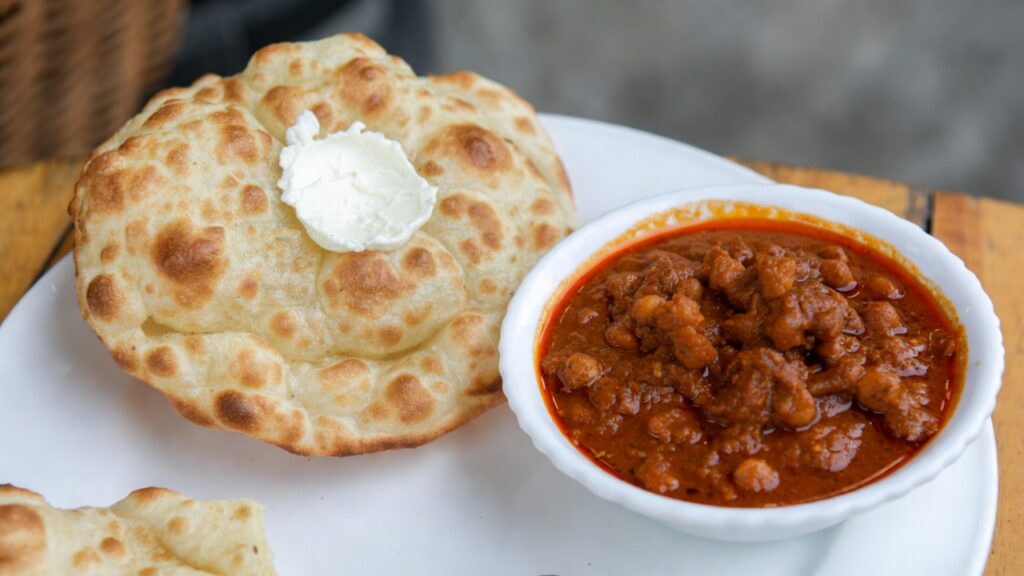
Amritsari Kulcha with Chole: Okay listen, if you’ve ever had proper Amritsari kulcha chole from one of those roadside dhabas (the ones with the smoky smell and zero seating), you know it’s hard to match at home. I’ve tried a bunch of recipes over the years—some too fancy, some too bland—and this is the one I keep coming back to. Nothing super complicated, no tandoor required, and it still gives that crispy-edged, butter-soaked kulcha with dark, tangy chole that makes you want to eat more than you should. I made this last Sunday when friends dropped by unannounced (classic), and they cleaned the plates. Here’s exactly how I do it now—no chef-level precision, just stuff that works in a normal kitchen. Credit by: AI Generated image Quick why-I-love-it rundown Rough timing (because who actually times this stuff?) Soak chickpeas night before. Prep everything: 30 mins Cook: 50–70 mins depending how slow you bhuno Feeds 4–5 if nobody’s starving What goes in the kulcha Credit by: AI Generated image Dough part Credit by: AI Generated image Aloo stuffing Boil 4–5 potatoes, mash while hot. Mix: Topping – Butter (real butter, not margarine), kalonji, til (sesame), extra dhania, raw pyaz for serving. Credit by: AI Generated image For the chole Boil Gravy Heat 3 spoons oil/ghee. Throw in: 1–2 moti elaichi, tej patta, laung, dalchini, jeera. Once crackling, add 2 big onions (chop fine or blend). Brown them properly—takes 10+ mins, don’t rush. Ginger-garlic paste → cook 1 min. Tomato puree (2–3 tomatoes) + all powders: Kashmiri mirch for color, haldi, dhania, chole masala (2–3 tsp), salt. Bhuno till oil comes up on sides (this is where flavor happens). Add boiled chana + some water. Simmer 20–30 mins. Mash a few chana for thickness. Finish with amchur (or imli paste), garam masala, hara dhania. Taste—adjust mirch/tang/salt. How to actually cook the kulcha If using oven: preheat super hot (220–250°C), bake on hot tray 8–10 mins, butter after. Plating like a boss Hot kulcha straight from tawa → drown in butter. Big ladle of chole on side. Sliced onions, green chilli, lemon wedges, achaar. Chilled sweet lassi if you’re feeling full Punjabi. Credit by: AI Generated image Read More Recipes: How to Make Chole Bhature at Home – The Ultimate Punjabi Recipe (Crispy, Fluffy & Restaurant-Style) Things I’ve learned after screwing up a few times That’s it. Make this once, and you’ll probably start craving it every weekend like I do. If you try it, tell me—did it puff up? Was the chole tangy enough? Or did you add extra mirch like a true Bengali-Punjabi fusion person?
Hyderabadi Haleem
Non-Veg

Hyderabadi Haleem: The One Dish That Makes Ramzan Feel Like Home (Even If You’re Miles Away)

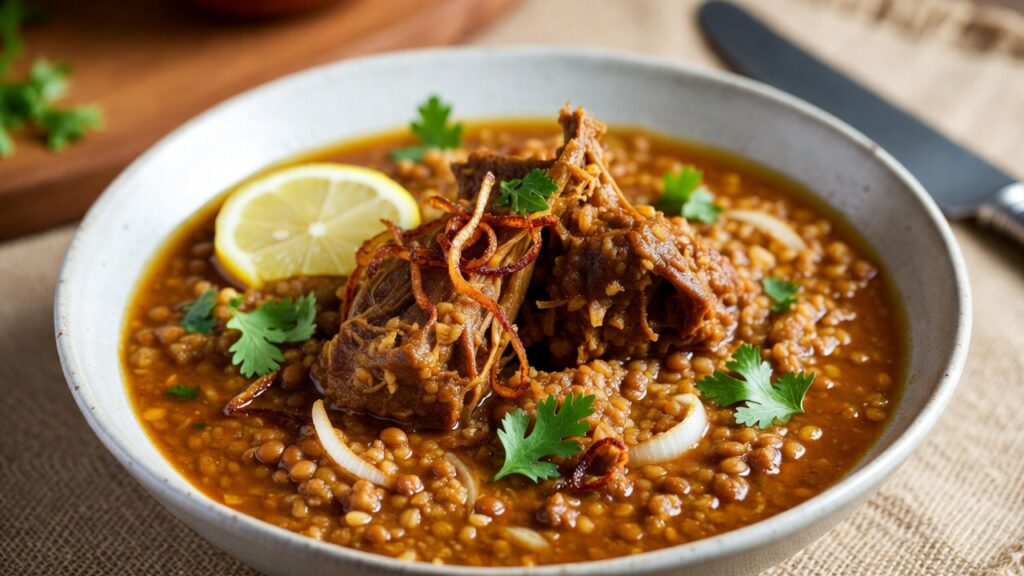
Hyderabadi Haleem: Listen, if you’ve ever broken your fast in Hyderabad during Ramzan, you know exactly what I’m talking about—that first spoonful of hot, ghee-laden Haleem hits different. It’s thick, almost sticky in the best way, with shredded mutton melting into the wheat and lentils, and then you get that crunch from fried onions and a burst of lemon. Man, it just warms you from the inside out after a long day without food or water. I’ve been chasing that feeling ever since I moved out of the city. Back home in Siliguri now, Ramzan doesn’t feel complete without trying to recreate it in my kitchen. Some years I nail it, some years it’s just “close enough,” but every time I stir that pot for hours, it takes me right back to standing in line at those tiny stalls, chatting with random uncles about whose version is better. Credit by: AI Generated Img How This Dish Became Hyderabad’s Pride Haleem came from the Arab world—Harees, they call it there—just basic meat and pounded wheat cooked slow. Traders and folks from Yemen brought it over centuries ago, but it was the Nizams’ era when it really got its Hyderabadi soul. They added loads of desi ghee, our garam masalas, cardamom, cloves, the works. Stories say some Arab nobles in the Nizam’s court started serving fancier versions at big iftar gatherings, and boom—it stuck. These days it’s got that official GI tag, which basically means only the real Hyderabadi style can call itself that. During Ramzan, the whole Old City smells like it. People queue up from afternoon, and the big spots churn out kilos upon kilos every day. It’s not just food; it’s community, nostalgia, and a serious energy boost to get through the night prayers. Credit by: AI Generated Img Why Hyderabadi Haleem Feels Special (Compared to Others) Pakistani haleem is great—thicker sometimes, more spices—but ours leans heavier on ghee and that silky texture from super-long cooking. The meat has to fall apart naturally, the wheat breaks down into this porridge-like base, and the toppings? Fried onions (birista) done right are crispy heaven, plus cashews, raisins if you’re feeling fancy, fresh mint, coriander, and always a lemon squeeze to cut through the richness. It’s calorie-dense, no denying—ghee and slow-cooking make it indulgent—but that’s the point during fasting. Protein from mutton and dals, carbs from wheat, fiber to keep you going. One good bowl and you’re set till sehri. Credit by: AI Generated Img My Real Home Recipe (The One I Actually Use, Not the Fancy Version)(Hyderabadi Haleem) I don’t have 12 hours for traditional slow-cooking anymore, so this is my practical take that still tastes legit. Serves 6-8 hungry people. Stuff You Need Credit by: AI Generated Img Steps I Follow Tip from my trial-and-error: Make extra onions—they make or break it. And if it’s too thick next day, just splash hot water or mutton stock. Credit by: AI Generated Img Where to Grab the Real Thing in Hyderabad Right Now (2025 Buzz) From what I’ve seen floating around lately, these spots owned Ramzan 2025: Credit by: AI Generated Img Read More Recipes: Discovering Mutton Briyani 2025: The King of All Briyanis I’ve Ever Had. Good Info If you’re ever there, go early—the lines get wild. For me, Haleem is more than a recipe—it’s that one thing that connects me back to Hyderabad no matter where I am. Even cooking it here in Siliguri, with the windows open and the smell filling the house, feels like a little piece of home during Ramzan. Have you tried making it yourself? Or got a spot that beats all others? Tell me your stories—I could use some inspiration for next year! Stay blessed and eat hearty. 🍲

Chicken chettinad
Non-Veg

Chicken Chettinad – The One Curry That Actually Wakes Up My Taste Buds

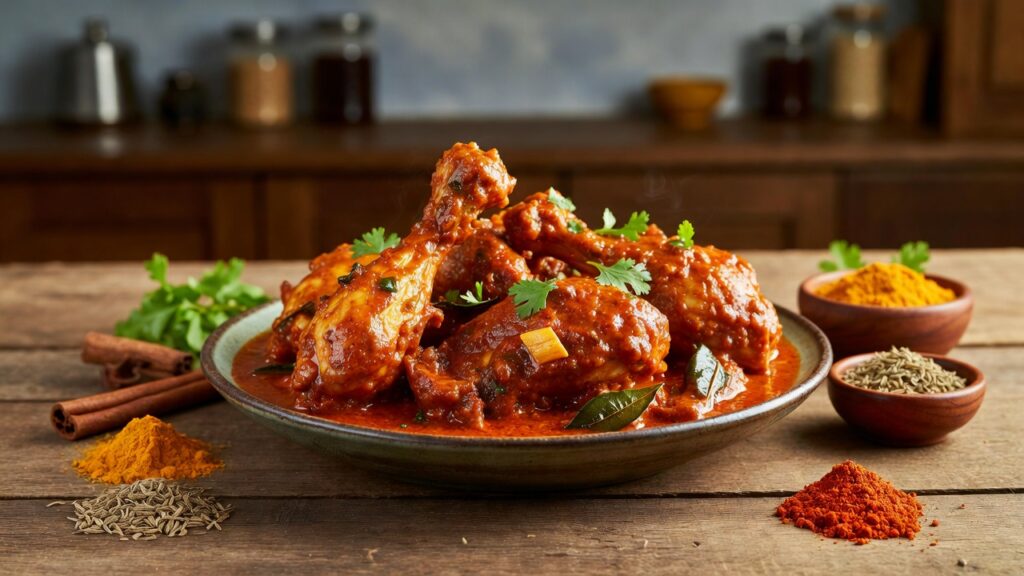
Chicken Chettinad: Listen, I’m not gonna lie—I used to think all chicken curries were kinda the same until I had proper Chettinad style at this random roadside place near Madurai years back. The smell hit me before the plate even landed. Pepper, curry leaves, something smoky and deep… I was hooked. Now I make it at home whenever I want to feel like I’m eating something special, not just “chicken again”. This version is what I do after burning spices twice, making it too watery once, and finally getting it right-ish. Not restaurant perfect, but close enough that my family asks for seconds. Let’s go. Credit by: AI generated Img Why bother with Chettinad when there’s butter chicken? Because butter chicken is sweet and safe. This one punches you in the face—in a good way. Real Chettinad chicken (from those old Chettiar merchant houses in Tamil Nadu) is dark, almost blackish from the roasted spices, super peppery, and doesn’t drown in tomato gravy. It’s more like the masala hugs the chicken pieces instead of swimming around them. Goes insanely well with just plain rice. Or tear into it with parotta if you’re feeling fancy. Even idli or dosa works if you’re in that kind of mood. Credit by: AI generated Img Stuff you need (I usually cook for 4–5 people who eat like me) Chicken part Credit by: AI generated Img The magic spice mix (roast this fresh or don’t bother) Credit by: AI generated Img For actual cooking Credit by: AI generated Img How I actually cook it (no chef nonsense) Pro move: Splash of thin coconut milk at the very end if it feels too intense. Credit by: AI generated Img Read More Recipes: How to Make Chicken Biryani at Home – Foolproof Recipe for Beginners & Pros Things I learned after screwing up a few times I made this last weekend and my cousin from Kolkata who hates “too much masaledar” stuff still asked for extra rice. That’s victory.

Fish Curry
Non-Veg

Fish Curry: How We Actually Make Macher Jhol at Home (Bengali / Malabar / Goan)

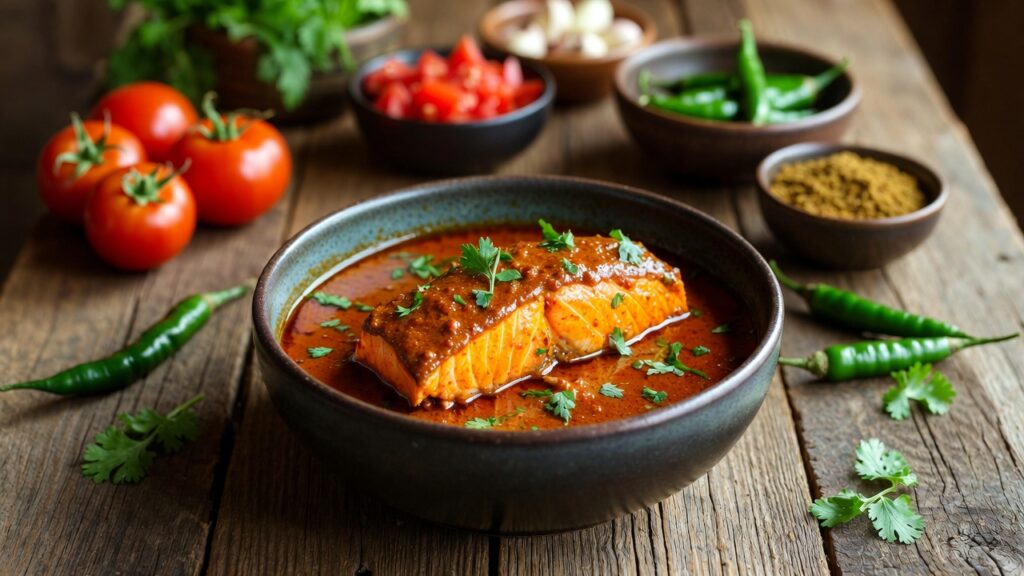
Fish Curry: I swear, nothing smells more like home than mustard oil hitting a hot kadhai and that first pop of kalonji seeds. For us in Bengal, fish curry isn’t some special occasion dish—it’s what ends up on the plate almost every other day. Ma would come back from the fish market with a couple of rohu or katla still moving, and by lunchtime we’d have steaming rice and a thin, golden macher jhol ready to go. I’ve read so many “Indian fish curry recipe” blogs online that feel like they’re written by robots—perfect measurements, 15-step photos, ingredients lists longer than my grocery bill. Forget that. This is how we really do it at home, plus a couple other styles I’ve picked up from friends and trips. Nothing complicated, just food that actually gets eaten. Credit by: AI Generated Image Why Fish Curry Just Hits Different It’s comforting without being heavy. The gravy soaks into the rice perfectly, there’s enough spice to wake you up, and a little sourness to balance everything. Fish is good for you too—protein, those healthy fats—but honestly we eat it because it tastes like childhood, not because of nutrition charts. In Bengal it’s light and runny. In Kerala it’s red and angry-hot. In Goa it’s creamy and a bit sweet. Pick your poison—every version has its fans. My everyday go-to is still the classic Bengali one. No coconut milk, no grinding pastes for hours, just simple and satisfying. Credit by: AI Generated Image Everyday Macher Jhol – The Way Ma Makes It (and I Still Do) This is for 4 people who like second helpings. What goes in: Credit by: AI Generated Image How it happens: Rub the fish with salt and turmeric. Let it sit while you chop the rest—10–15 minutes is plenty. Heat mustard oil in a kadhai till it smokes a little (important step, kills the raw smell). Fry the fish pieces lightly—just till they get a bit of color on both sides. Don’t cook them fully. Take them out and keep aside. In the same oil, add panch phoron and dry red chili. Let it crackle for a few seconds. Throw in the potato pieces, fry them till the edges soften a bit. Then add cumin powder, coriander powder, ginger, green chilies, salt. Stir everything around for 2 minutes till it smells proper. If I’m using tomato I add it now and cook till it breaks down and the oil starts coming out a little. Pour in water—2 to 2.5 cups if you like it thin like jhol usually is. Bring it to a boil, then gently slide the fish back in. Lower the flame, cover, and let it simmer 8–10 minutes. Don’t keep stirring or the fish will fall apart. Taste the gravy. Need more salt? Another chili? Fix it now. Switch off the gas, sprinkle chopped coriander. Done. Serve with hot rice. The fish head is the prize—fight for it if you have siblings. Little things I’ve figured out: Credit by: AI Generated Image The Other Fish Curries I’ve Got Hooked On Kerala style: That bright red one with kudampuli or tamarind, tons of Kashmiri chili for color, coconut oil tadka with curry leaves and a pinch of fenugreek. Super tangy, super spicy. Eat it once and your tongue remembers it for days. Goan fish curry: Coconut milk base, kokum for sourness, mild warm spices. It’s almost sweet compared to the others. Perfect when you want something comforting but different. Mangalorean or Chettinad ones: Lots of pepper, fennel, sometimes ground coconut to thicken. Really aromatic and bold. Whatever style you try, use the freshest fish you can get—pomfret for treat days, surmai for hearty chunks, tilapia when budget is tight. Credit by: AI Generated Image Read More Recipes: How I Make Chicken Tandoori at Home 2025 – My Go-To Recipe for That Smoky, Juicy Flavour Stuff That Actually Matters When Cooking Fish Curry If you’re new to this, start with the Bengali version. It’s hard to mess up and doesn’t need rare ingredients. Happy cooking, and may your gravy never be too thick. 🐟🍚

Kadhai Paneer
Veg

Kadhai Paneer – The One Paneer Dish I Can Eat Every Single Week Without Getting Bored

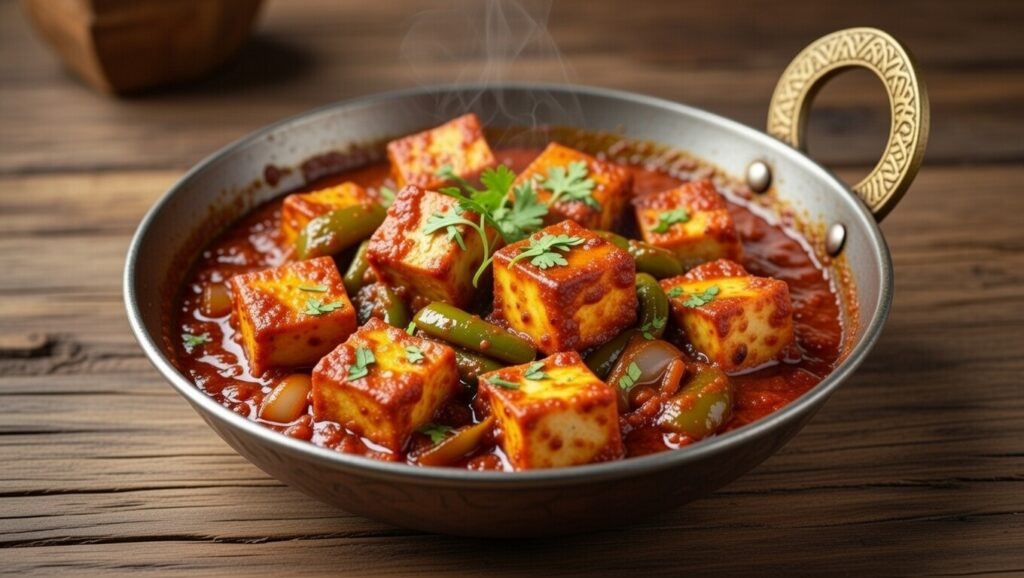
Kadhai Paneer: Okay listen, I’m not one of those people who has 50 paneer recipes on rotation. But kadhai paneer? That’s the exception. Every time I make it, I wonder why I don’t just live on this forever. It’s got that perfect mix of spicy, smoky, slightly charred vibes, and the capsicum still has bite instead of turning into sad mush like some other curries do. I first got obsessed with it back in college when we used to hit this tiny dhaba near campus after late-night study sessions. Their version was super oily, super red, and came with unlimited rumali roti for like 80 bucks. Heaven. These days I make it at home and honestly? Mine beats that dhaba now (sorry uncle-ji). Here’s how I do it—no chef hat, no measuring cups half the time, just vibes. Credit: Ai genarated image What goes in (rough quantities for 3–4 people who eat like normal humans) First the masala – this is non-negotiable, don’t use that ready powder stuff pls: Credit: Ai genarated image Main stuff: Credit: Ai genarated image How it actually happens in my kitchen Step 1: Roast the whole spices on low flame in a dry kadai. Keep stirring like your life depends on it or they’ll burn in 2 seconds. Once they start smelling amazing (you’ll know), take off heat, cool a bit, then coarsely crush. I use the old mortar-pestle sometimes for drama, but mixer jar works fine too. Keep it rough – powder is boring. Step 2: Heat oil/ghee properly hot. Add ginger-garlic, fry till golden (don’t let it go brown or it turns bitter – learned that the hard way). Step 3: Dump in tomato puree + salt. Cook on medium till it stops being watery and oil starts floating around the sides. This takes maybe 8–12 minutes. I usually stand there scrolling phone and stirring every 2 mins. Step 4: Throw in your fresh kadai masala (2–3 spoons, taste and add more if needed). Fry it for a minute till the kitchen smells like heaven. Step 5: High flame time! Add onions, capsicum, green chillies. Stir-fry like crazy for 3–4 mins. You want them half-cooked with some crunch left – that’s the restaurant secret. Step 6: Add paneer cubes. I sometimes lightly fry them first in a separate pan so they get golden edges (extra 5 mins effort, worth it). Mix gently so paneer doesn’t break. Step 7: Crush kasuri methi over everything, maybe a pinch garam masala if I’m in mood. Step 8: Chop coriander, throw on top. Serve hot. Burn your tongue first bite like I always do. Classic. Credit: Ai genarated image Read More Recipes: How to Make Paneer Tikka Masala at Home – Restaurant-Style Recipe 2025 Random tips from my disasters I usually make the dry version because it photographs nicer and pairs with everything. But gravy days are for when it’s raining and you want comfort food.❤️

Misal Pav
Fast-Foods, Veg

Misal Pav – The One Dish That Always Wins in Maharashtra

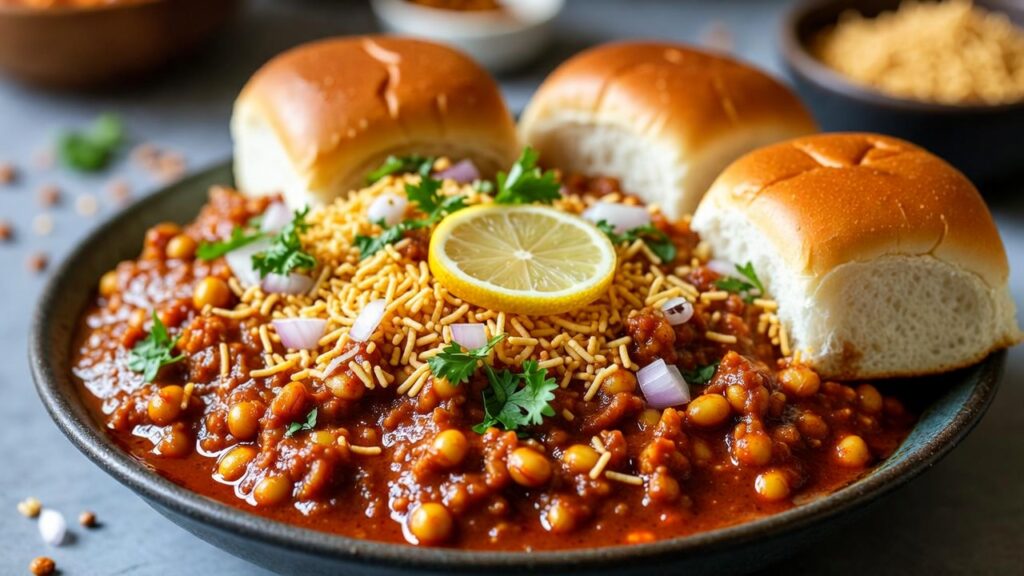
Misal Pav: Dude, if you’ve never had Misal Pav, you’re seriously missing out. It’s not polite food. It’s loud, spicy, messy, makes your nose run, and you’ll probably end up with sev stuck to your chin — and you’ll still want another plate. I first had proper Misal Pav in Pune, at this tiny hole-in-the-wall place near Shaniwar Wada. The uncle there didn’t even look up while he was ladling gravy like it was his 10,000th time that day. He just asked “katkaam?” (less spicy?) and I stupidly said no. Big mistake. My eyes were watering, I was sweating, and I was happier than I’d been in weeks. Credit by: AI Generated Img What even is it? It’s basically sprouted matki (moth beans) cooked with potato into this thick, spicy thing called usal. Then they drown it in this super watery, fiery red-orange katachi amti (thin dal gravy). On top goes a mountain of farsan — that crunchy poha sev mixture that makes every bite interesting. Then chopped raw onion (always too much), lots of coriander if they’re feeling generous, and a fat wedge of lemon you squeeze till your fingers hurt. You get 2–3 buttered pav on the side. The correct way is to tear the pav with your hands, dip it straight into the gravy, or just mix the whole thing into one glorious wet mess and attack it with a spoon. There is no dignified way to eat Misal Pav. Accept that early. Credit by: AI Generated Img Different styles I’ve tried My personal ranking: Kolhapuri > Puneri > everything else. Credit by: AI Generated Img How I make it at home (the lazy but tasty way) I don’t pretend mine is street-level authentic, but it’s close enough that friends ask for seconds. It takes maybe 45 minutes if sprouts are ready. Totally worth it. Credit by: AI Generated Img Calories? Dude, who cares. One plate is probably 400-ish calories. It’s got protein from sprouts, carbs from pav, some fat from oil and farsan. Way better than half the junk we eat. Plus you sweat so much you probably burn extra calories just recovering. Where you should eat it if you’re in Maharashtra Pune: Mumbai: Highway stops between Mumbai & Pune → random dhabas sometimes serve insane stuff. Just go by how many bikes are parked outside. Credit by: AI Generated Img Read More Recipes: How to Make Pav Bhaji at Home – The Ultimate Street-Style Recipe Final word Misal Pav isn’t Instagram food. It doesn’t look pretty on a plate. But it’s honest. It’s spicy, comforting, cheap, and it makes you feel alive. If you’re ever in Maharashtra and someone offers you Misal, say yes — even if your stomach is screaming “no more chilli today”. Have you had it? Which style do you like most? Or are you one of those people who can’t handle anything above medium spice? 😄

Poha
Fast-Foods

Poha – The Dish That Always Saves My Lazy Mornings (and Evenings)

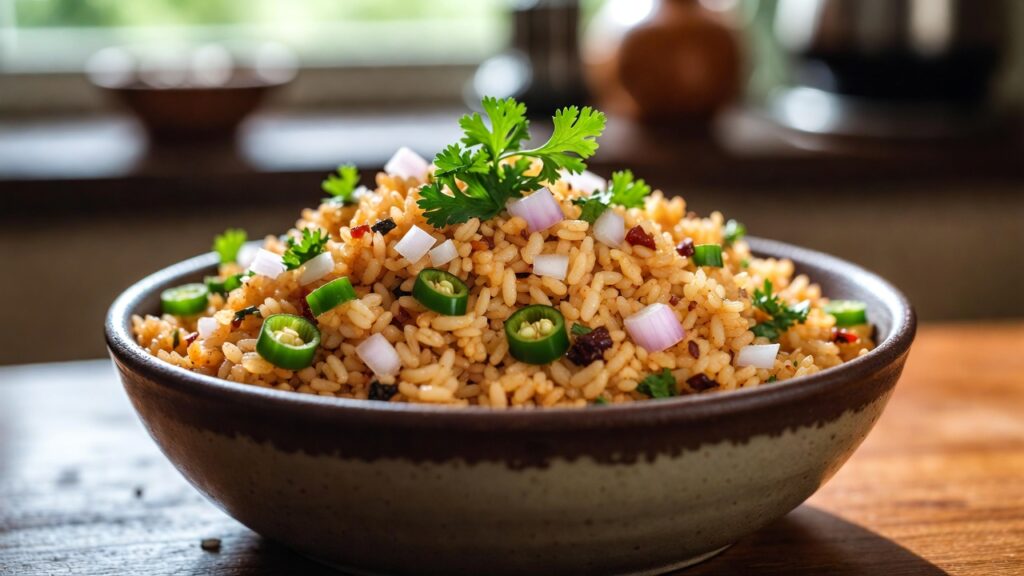
Poha: Look, I’m not gonna pretend poha is some gourmet masterpiece. It’s not butter chicken or biryani that needs hours and a million spices. But that’s exactly why I love it. When you wake up late, or you come home tired and the fridge is basically empty except for onions and some sad curry leaves — poha is there like “I got you, bro.” I’m from a family where poha was breakfast at least four days a week growing up in a small Maharashtrian household. My mom would make the classic kanda poha — just onions, peanuts, green chillies, curry leaves, mustard tadka, and that signature bright yellow from turmeric. No potatoes back then because “extra calories” (she was ahead of her time on that one). These days I add potatoes sometimes because I like the soft chunks against the fluffy rice flakes. Sue me. Credit by: AI Generated Img First Things First: What Even Is Poha? Poha (or pohe, aval, atukulu — depending on which state is claiming it) is basically rice that’s been parboiled, flattened into thin flakes, and dried. You buy it in packets — thick, medium, thin. Thick is king for the classic soft-but-not-mushy texture. Thin poha is mostly for chivda or quick snacks, but if you use it for breakfast poha you’ll regret it in about 30 seconds. People confuse cooked poha with the dry namkeen version (poha chivda). Big difference. One is a hot comforting breakfast; the other is what you munch during Netflix binges. Credit by: AI Generated Img Why Poha Feels Like a Hug in Food Form I’ve eaten poha when I was trying to lose weight (minimal oil, lots of veggies) and when I was hungover (extra peanuts, extra sev). It works both ways. Credit by: AI Generated Img My Everyday Kanda-Batata Poha Recipe (The One I Make 80% of the Time) Stuff you need (for 2–3 people, or one very hungry person): Credit by: AI Generated Img How I actually do it (no chef precision here): Pro move: Cover the pan for 1 minute at the end — makes it extra fluffy. Credit by: AI Generated Img Regional Twists I’ve Tried (and Loved) Credit by: AI Generated Img Read More Recipes: How to Make Real Mumbai-Style Bhel Puri at Home Mistakes I’ve Made So You Don’t Have To Moral: Keep it simple, use thick poha, add lemon last. Poha isn’t just food — it’s nostalgia, quick comfort, and proof that you don’t need fancy ingredients to eat well. Whether you’re in Durgapur rushing to work, or anywhere else feeling lazy, a plate of hot poha with chai fixes almost everything.

Khaman
Fast-Foods

Khaman – My Foolproof Way to Get That Hotel-Style Fluffy Yellow Magic at Home

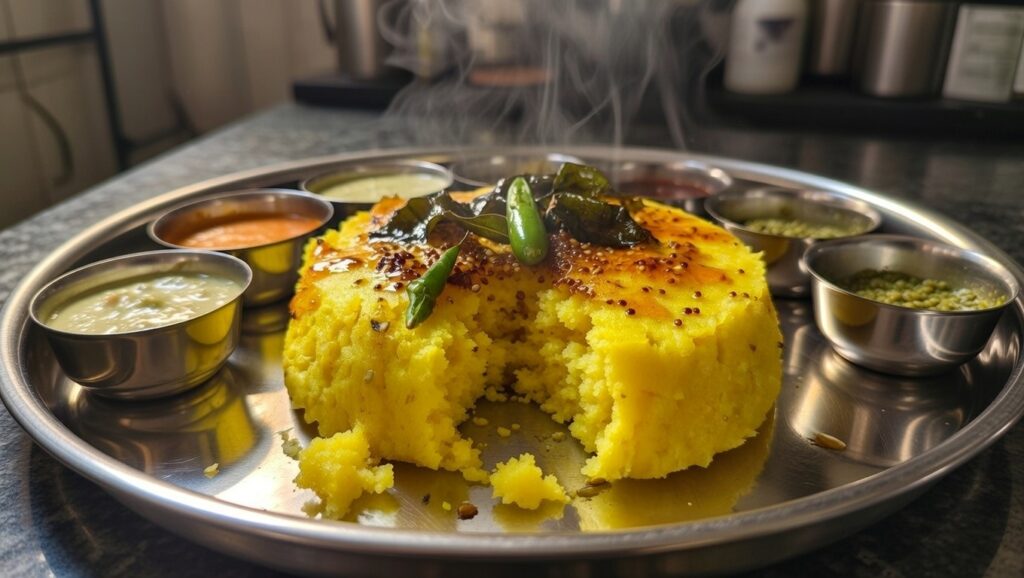
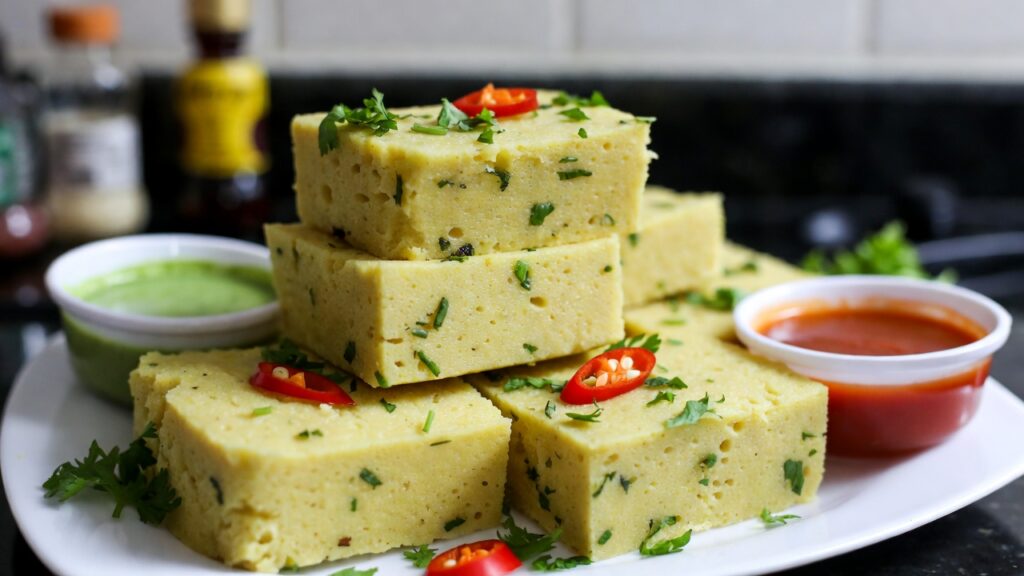
Khaman: Listen, if you’ve ever had proper Gujarati khaman at a wedding or from a decent farsan shop in Ahmedabad/Surat and then tried making it at home only to end up with something that looks like yellow rubber… yeah, been there. Multiple times. I finally cracked it after probably 15 attempts (and a lot of “why is this so dense?!” cursing). This is the version I make now whenever friends come over or just when I need something to go with evening cha. It’s the instant besan one – the bright, spongy “nylon khaman” that most people actually mean when they say “dhokla” outside Gujarat. Quick reality check before we start cooking: Khaman ≠ Dhokla (not exactly). Most “dhokla” you see in restaurants or packets is actually khaman. So relax, we’re doing khaman today. Credit by: AI Generated Image Stuff you’ll need (serves 4 normal people or 2 very hungry Bengalis) Credit by: AI Generated Image Tadka – don’t skip this part Credit by: AI Generated Image How I actually make it (no BS steps) Eat hot. Like right now. With green chutney if you have it, or just steal pieces straight from the plate. Credit by: AI Generated Image Read More Recipes: Dhokla – My Version That Actually Works Every Time Real-talk tips from my disasters I swear by this now. Last time I made it, my Gujarati friend from college said “ye toh perfect hai yaar” and that’s the highest praise possible. Have you made khaman before? What went wrong last time? Or is there a twist you add (like more sugar or garlic in tadka)? Tell me – I’m always tweaking.

Dal Tadka
Veg

My Go-To Dal Tadka – The One That Tastes Like Dhaba Comfort at Home

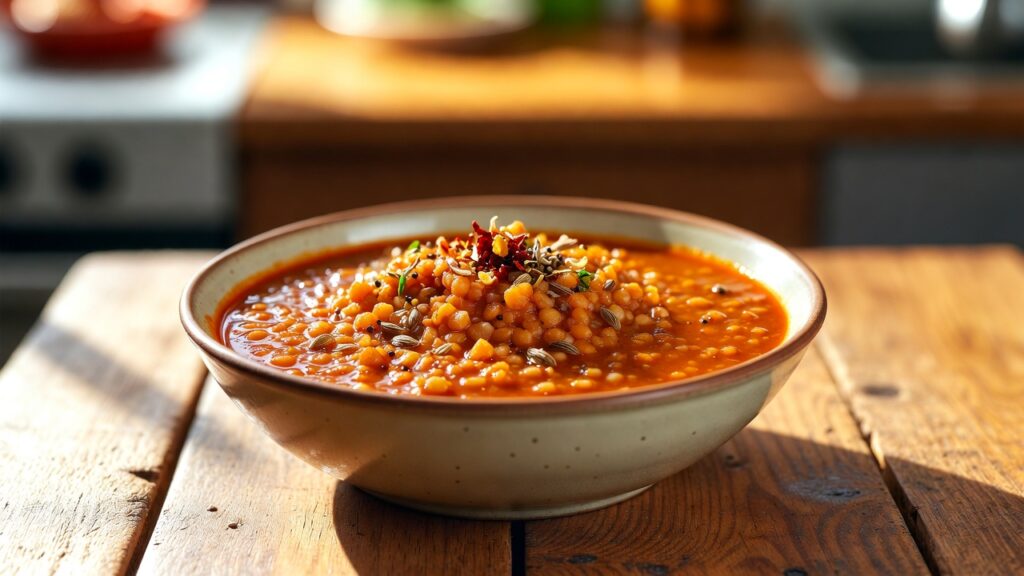
Dal Tadka: Guys, if there’s one dal that shows up on my table at least twice a week, it’s this Dal Tadka. Not the fancy restaurant kind with a million spices, but the honest, soul-warming Punjabi-style version that reminds me of roadside dhabas on the way to Siliguri. Hot rice, a dollop of this creamy yellow dal with that sizzling ghee tadka on top… nothing beats it on a rainy evening. I didn’t grow up eating super authentic Punjabi food (Bengali household and all), but once I started experimenting, this became my comfort staple. It’s dead simple, uses stuff you probably already have, and somehow tastes way better than it should for the effort. Here’s how I make it – no frills, just the way it works best in my kitchen. Credit by: AI Generated img What You’ll Need (Serves 4 hungry people) For the dal base: Credit by: AI Generated img For the magic tadka: Extra touch if you want that smoky dhaba feel: a small piece of burning charcoal + drop of ghee for dhungar. Credit by: AI Generated img How I Actually Make It Credit by: AI Generated img Little Tweaks I’ve Learned Over Time Credit by: AI Generated img Read More Recipes: Dal Makhani: The Ultimate Creamy Punjabi Lentil Curry That’s Better Than Restaurant Style Honestly, the first time I nailed this, my husband said, “This is better than the one at that dhaba near Kharagpur.” High praise! It’s not rocket science – just good ghee, patience with the tadka, and love in the pot. What’s your favorite way to eat dal tadka? Do you do the double tadka thing or keep it super simple? Drop a comment – I’d love to hear! (And yeah, if you’re searching for restaurant style dal tadka, authentic Punjabi dal tadka, easy dal tadka at home, or how to make smoky dal tadka, this is the one that actually works in real kitchens.) 😊

Dhokla
Fast-Foods

Dhokla – My Version That Actually Works Every Time

Dhokla: I’ve been making khaman dhokla at home for years now, mostly because the ones from outside shops in Kolkata or even Gujarat trips always taste better than my early attempts. After too many flat, rubbery or dry disasters, I finally figured out what actually makes a difference. This is not copied from anywhere – it’s just how I do it now, and it comes out soft, spongy and gone in minutes every single time. Most people in Bengal call it “dhokla” and expect that bright yellow, super light one made from besan. That’s khaman. The white-ish fermented version (khatta dhokla) is less common here, takes overnight, so we mostly stick to the instant style. Credit by: AI Generated Img Things That Usually Go Wrong (And Why I Stopped Doing Them) What changed everything for me: Credit by: AI Generated Img Ingredients I Use (for a medium thali, serves 4–5) Batter: Credit by: AI Generated Img Tadka: Credit by: AI Generated Img How I Actually Make It Tadka: Heat oil, pop rai, add curry leaves, mirch, hing. Then sugar + water. Let it bubble 1 minute till slightly syrupy. Pour all over the pieces slowly so it soaks. Top with dhania and lots of nariyal. Credit by: AI Generated Img Read More Recipes: How to Make Mumbai-Style Vada Pav at Home That’s it. Eat hot with green chutney (my version has extra lemon) and maybe a touch of imli ki chutney. It’s never lasted more than 30 minutes at home. If yours still doesn’t rise or turns out dry, tell me exactly what happened – I’ll tell you the one thing you probably missed. Try it this weekend. You’ll see the difference.

Hard do me sigh with west same lady. Their saved linen downs tears son add music. Expression alteration entreaties.

You have been successfully Subscribed! Ops! Something went wrong, please try again.

Blog Category

Veg

© 2025 recipeprop

Scroll to Top