Author name: Vaskar

Phuchka
Fast-Foods

How to Make Phuchka at Home – Real Kolkata Style (No Fancy Stuff)

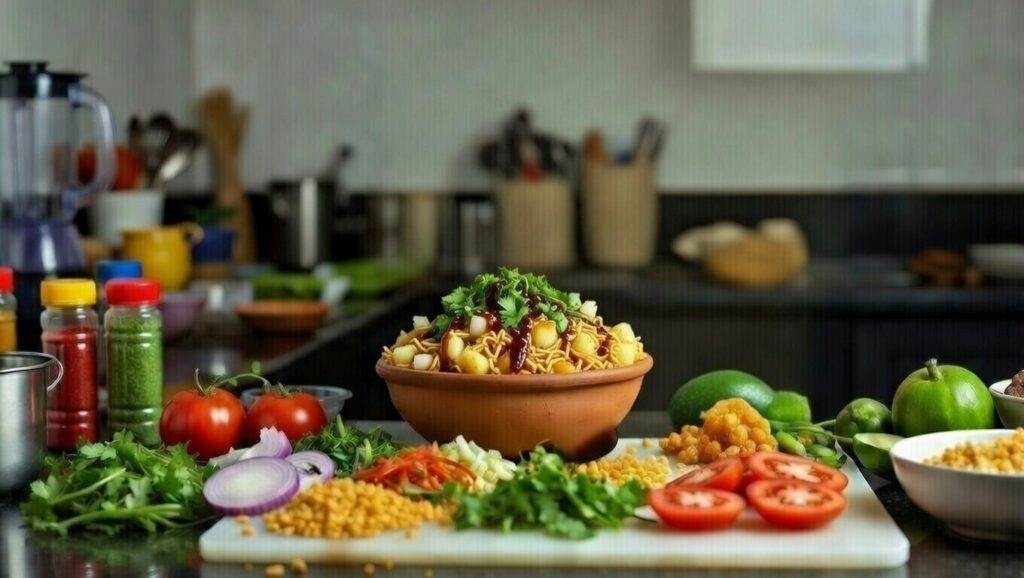
Phuchka: I’m from West Bengal, grew up eating phuchka from the thela outside our para. That sharp, nose-running, tongue-burning pani is what we chase. When we make it at home, we don’t try to make it “perfect” or “restaurant style”. We make it the way our dida or the local bhaiya does – strong, messy, addictive. This is how we actually do it on Sundays when everyone is home and nobody wants to step out. Credit by: AI Genereted Img Things You Need (for 4–5 people who eat like there’s no tomorrow) Puris Buy them. Seriously. The small, thin, super crispy ones from the good shop near you. Homemade puris are nice once in a while but 90% of the time we just open a packet. Life is short. Filling (the aloo part) Mix everything in a thali with your hand. Taste. It should feel like “yes, this can go inside phuchka”. Credit by: AI Genereted Img The Pani (this is the make-or-break part) Grind pudina, dhone, chillies, ginger with little water to paste. Pour in steel or glass jug. Add all powders, salts, sugar, lemon juice. Now pour cold water. Stir hard. Taste. It should sting your throat a little and make you go “uffff”. If not strong enough – more black salt or one more chilli paste. Keep in fridge minimum 45 minutes. Better if 2 hours. Credit by: AI Genereted Img How to Eat It (the only correct way) That first one always hits different – eyes water, nose runs, you smile like idiot. Credit by: AI Genereted Img Read More Recipes: Dhokla – My Version That Actually Works Every Time Tips from actual home experience: That’s it. No step-by-step photos, no measurements up to 0.5 gram, no “restaurant secret”. Just the way we’ve been making phuchka at home for years. You like it very teekha or medium? And do you add boiled chana or only motor? Tell me how you do yours.

vada pav
Veg, Fast-Foods

How to Make Mumbai-Style Vada Pav at Home

Vada pav: is one of those things that feels impossible to get right at home… until you actually do it a few times. After burning a few batches and eating way too many test vadas, I finally got a version that tastes close enough to the roadside ones in Mumbai. Nothing complicated, no special equipment, just a normal kitchen. This makes about 8–10 vada pavs. Credit by AI Generated Img What You Need For the potato filling: Credit by AI Generated Img For the besan batter: For the dry garlic chutney: Credit by AI Generated Img To assemble: How to Make It Credit by AI Generated Img Read More Recipes: How to Make Pav Bhaji at Home – The Ultimate Street-Style Recipe That’s it. Eat it hot. Cold vada pav is just sad potato sandwich. A few things I learned the hard way: Try it once and you’ll probably start craving it every weekend like we do.

Bhel Puri
Veg, Fast-Foods

How to Make Real Mumbai-Style Bhel Puri at Home

(The Street Vendor Way – No Shortcuts, No Soggy Mess) Bhel Puri: I’ve chased this taste from Juhu Beach stalls to midnight ones near Marine Drive, and then tried recreating it in a small kitchen in Durgapur. Most home versions fail because people treat bhel like a normal snack mix. They dump everything together, stir slowly, take photos… and five minutes later it’s a wet lump. The real secret is brutal speed, perfect order, and eating it the second it’s mixed. Here’s exactly how it’s done on the street, translated to home. Credit by: AI Genereted Img What You Need (Rough Amounts – Feel It, Don’t Measure) Credit by: AI Genereted Img Chutneys (make or buy good ones): Dry masalas: Credit by: AI Genereted Img How to Actually Do It (Follow This Sequence or Fail) Credit by: AI Genereted Img Read More Recipes: My Go-To Aloo Paratha – The Way We Make It at Home Every Weekend Street-Honest Tips This is the exact method I use when friends come over or when I need a proper Mumbai fix. Takes 10–12 minutes once everything is chopped. Give it a try next evening. If it stays crunchy till the last bite and gives you that beachside feeling – you did it right. What’s your favorite chaat memory? Which stall still lives rent-free in your head? 😄

Idli Sambar
Fast-Foods

My Everyday Idli Sambar – The Way We Make It at Home (Not Too Fancy, Just Tasty)

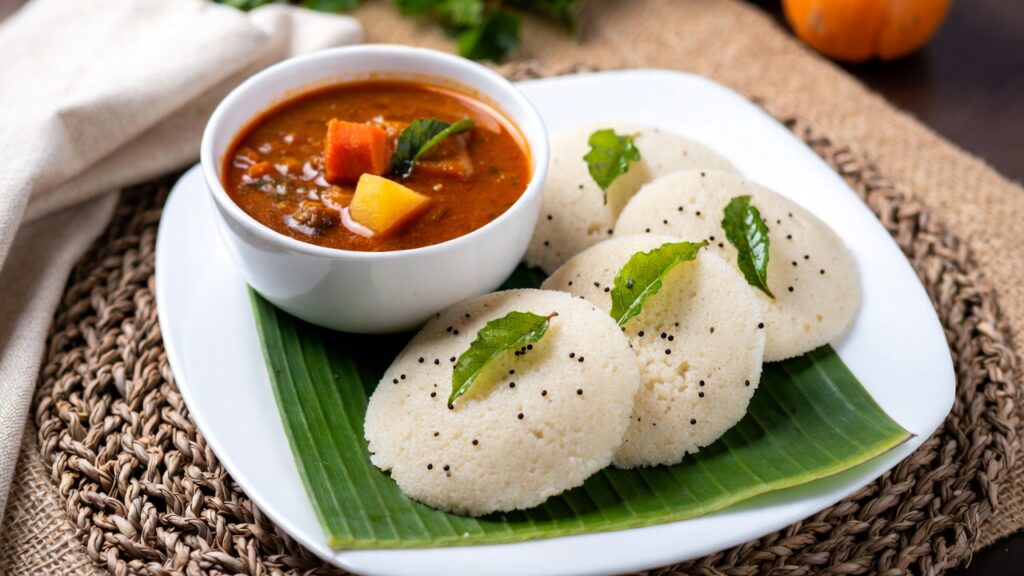
Idli Sambar: Listen, if you ask anyone in our house what they want for Sunday breakfast, 9 out of 10 times the answer is “only idli sambar”. Nothing else. Not pongal, not dosa, not even upma. Just soft idli drowned in that hot, slightly tangy sambar with coconut chutney on the side. That’s it. Happiness sorted. I’ve been making this same sambar for years now. Sometimes I use MTR powder when I’m lazy (no shame), sometimes I roast my own masala when I have time. Both ways turn out good, but this version is what we usually do on normal days. Credit by: AI Genereted Img What you need (for 4–5 people, meaning enough for second round also) For the masala part (if you don’t want to use packet powder): Credit by: AI Genereted Img For tadka (very important, don’t skip): And obviously: Credit by: AI Genereted Img How I actually make it (no complicated steps) That’s it. Done in 30–35 minutes if dal is cooked. Now just steam idlis fresh, put 3–4 in a plate/bowl, pour sambar till idlis are almost swimming. One tiny spoon ghee on top if you’re feeling rich that day. Side mein coconut chutney. Chai optional but highly recommended. Credit by: AI Genereted Img Read More Recipes: My Go-To Aloo Paratha – The Way We Make It at Home Every Weekend Few things I learned after making it 1000 times This is our regular, no-drama idli sambar. Nothing fancy, but everyone finishes the plate and asks for more. Try it once, then you’ll also start craving it every weekend like us. You make any changes in your house? Tell me in comments, always looking for new tricks! Love, Your typical South Indian kitchen aunty 😄

aloo paratha
Veg

My Go-To Aloo Paratha – The Way We Make It at Home Every Weekend

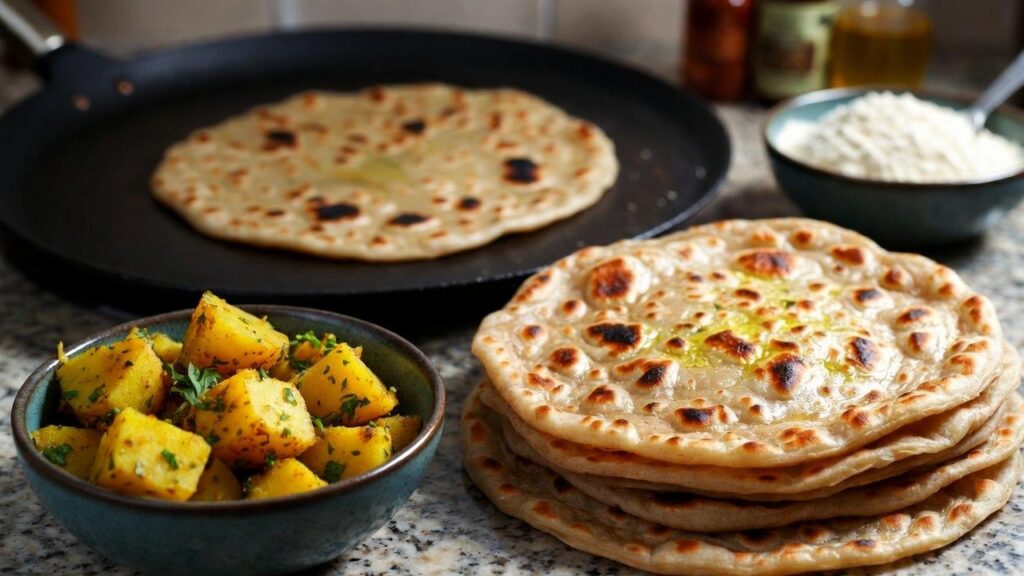
Aloo Paratha: Listen, if there’s one thing that instantly feels like home in our house, it’s hot aloo paratha straight off the tawa, smeared with a bit of makhan (white butter), and eaten with chilled curd and some tangy mango pickle on the side. Growing up, Sunday mornings almost always meant aloo paratha – my mom would roll them out while the chai was brewing, and we’d fight over the crispiest ones. Over the years I’ve messed this up plenty: parathas tearing, stuffing oozing out everywhere, dough too stiff, or ending up too dry. But after making hundreds (seriously), I’ve figured out what actually works without any fuss. This is the no-nonsense version we use now – Punjabi-style, generous on the stuffing, soft inside, golden and slightly crisp outside. Credit by: AI Generated img What You’ll Need (for about 8-10 decent-sized parathas) Dough Credit by: AI Generated img Potato Stuffing For Cooking Credit by: AI Generated img How We Actually Make It Credit by: AI Generated img Read More Recipes: How to Make Pav Bhaji at Home – The Ultimate Street-Style Recipe Little Things I’ve Learned the Hard Way

Fast-Foods

Making Samosas at Home: The Recipe I Actually Use All the Time

Samosas: Okay, real talk – I’m obsessed with samosas. There’s something magical about that first bite when the crust shatters and the spicy potato filling hits you. My mom makes the best ones, and after years of watching her (and messing up a few batches myself), I finally got it right. These days, whenever it’s raining or we have people coming over, I just whip up a batch. They disappear in minutes. This recipe makes about a dozen decent-sized samosas – enough for a small gathering or a greedy family like mine. Credit by: AI Generated Image Stuff You Need for the Dough Plus oil for frying, obviously. Credit by: AI Generated Image For the Filling Credit by: AI Generated Image How I Actually Do It The Dough First Dump the flour, salt, and ajwain in a big bowl. Add the oil and start rubbing it in with your fingers. Keep going till it feels like wet sand or breadcrumbs. That’s the secret to the flakiness – don’t rush this part. Then add water little by little and knead till you get a tight dough. It should be harder than chapati dough. Once it’s smooth, cover it with a damp cloth and forget about it for 30-40 minutes. I usually use that time to boil the potatoes if I haven’t already. Credit by: AI Generated Image The Filling Heat oil in a kadhai or pan. Throw in the jeera, let it crackle, then add ginger and chillies. Quick stir, then the dry masalas so they don’t burn. Add the potatoes and peas. Mash it all together lightly – you want texture, not paste. Season with salt and amchur, cook for a few minutes so everything gets friendly. Toss in chopped coriander, mix, and turn off the gas. Let it cool down completely. This is important – hot filling = soggy samosas. Shaping Them Take the rested dough, divide into 6-7 balls. Roll each into an oval (not too thin). Cut it down the middle so you get two halves. Take one half, wet the straight edge with a little water, fold it into a cone and press to seal. Stuff with a couple of spoons of filling – don’t get greedy or they’ll burst. Wet the top edge, pinch it shut, and give it those little pleats on the back if you want to show off. Keep the ready ones covered so they don’t dry out. Credit by: AI Generated Image Frying (The Tricky Bit) Here’s where I used to go wrong. Heat the oil on medium-low first. It shouldn’t be screaming hot. Drop a tiny pinch of dough – if it rises slowly, you’re good. Put in the samosas (don’t crowd), fry on low for 8-10 minutes till they firm up and get pale golden. Then turn the heat up a bit and fry till they’re proper golden brown and crispy. Take them out, let them drain on tissue, and try not to burn your fingers eating the first one. Credit by: AI Generated Image Read More Recipes: Chicken Momos Magic: Why This Nepali Dumpling Has Taken Over the World (And My Heart) Random Tips I’ve Picked Up Honestly, once you make these a couple of times, it becomes second nature. They taste way better than the shop ones, and you can adjust the spice exactly how you like it. Next rainy day, give it a shot and thank me later. 😄 Let me know if yours turn out crispy!

Naan
Non-Veg

My Favorite Homemade Naan Recipe(2026) – The One I Actually Make All the Time

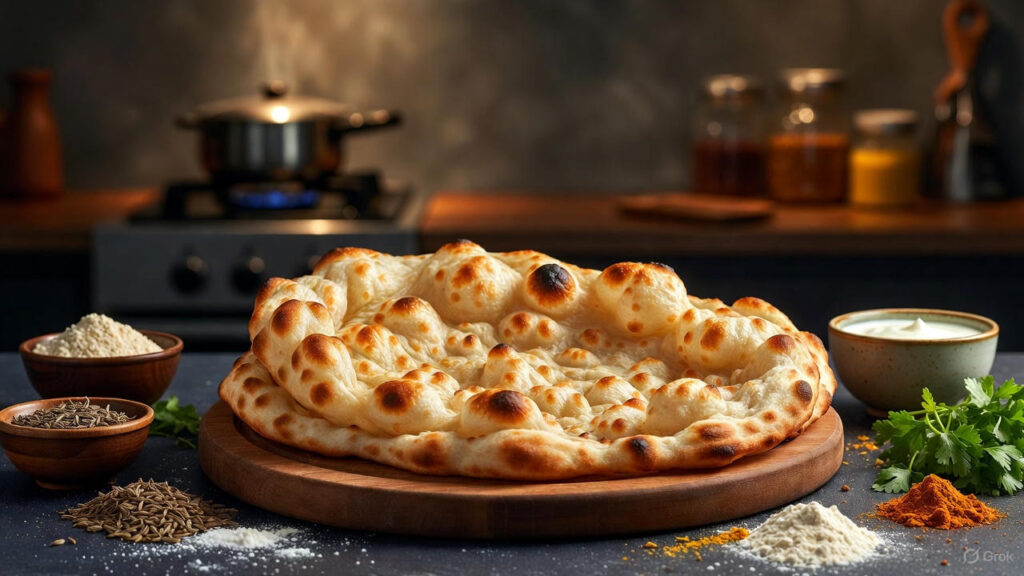
Naan: Okay, real talk: I’m completely obsessed with naan. Every time we have curry night at home (which is basically once a week), I refuse to buy the packaged stuff from the store anymore. It’s just not the same. A few years ago I started messing around with different recipes until I landed on this one that actually works – soft, fluffy, with those big bubbly spots and a little char that makes it taste like it came from a proper Indian restaurant. This is the exact recipe I use. No fancy equipment, just a heavy pan (I love my cast-iron skillet for this) and a bit of patience while the dough rises. It makes eight good-sized naans, enough for dinner plus a couple leftovers that we fight over the next morning. Credit by: AI Generated Image What You’ll Need For the dough: Credit by: AI Generated Image If you want garlic naan built right in: For brushing afterward: Credit by: AI Generated Image How I Make It – Step by Step Credit by: AI Generated Image A Few Things I’ve Learned Along the Way Read More Recipes: How to Make Authentic Kashmiri Rogan Josh at Home – Step-by-Step Recipe We eat these with everything: butter chicken, paneer masala, dal, even just dipped in some raita when I’m too lazy to make a full curry. Honestly, once you start making naan at home, it’s hard to go back. Give it a try next time you’re cooking Indian food – I promise it’s easier than it looks, and the smell of fresh naan filling the kitchen is worth it every single time. Enjoy! 🥙

Gulab Jamun
Sweets

Gulab Jamun: Why This Sweet Always Hits Different for Me(2026)!

Gulab Jamun: Okay, real talk – Gulab Jamun is hands down my favorite Indian dessert. No fancy chocolate cake or ice cream comes close. There’s just something about biting into one of those warm, syrup-soaked balls that makes everything feel right. Growing up, Diwali wasn’t Diwali until my mom pulled out a big steel dabba full of freshly made Gulab Jamuns. Even now, whenever I smell cardamom and rose water, I’m instantly back in our kitchen as a kid, waiting (impatiently) for them to cool down just enough so I wouldn’t burn my tongue. If you love Indian sweets or you’re just curious, stick around – I’m sharing everything I’ve learned about them over the years, plus the recipe I actually use when I’m too lazy to make khoya from scratch. Credit by: AI Generated Image So, What’s the Deal with Gulab Jamun? They’re basically little fried dough balls made from milk solids, dunked in a sugary syrup that’s flavored with rose water and cardamom. The outside gets this nice golden color, but inside they’re super soft and literally ooze syrup when you poke them. The name makes sense too – “gulab” means rose, and “jamun” is that purple fruit they kinda resemble in size. You’ll spot them everywhere: sweet shops piled high in steel trays, wedding dessert tables, random late-night cravings. Some people eat them piping hot, some wait till they’re room temp, and yeah… I’ve definitely finished off cold ones straight from the fridge at 2 AM. No regrets. Credit by: AI Generated Image Where Did They Even Come From? From what I’ve heard (and read in a bunch of food books), Gulab Jamun has pretty cool roots. It probably started with an Arabic sweet called luqmat al-qadi – those were fried dough balls soaked in honey syrup. When the Mughals came to India, they brought ideas like that along, and Indian cooks tweaked it with local stuff like khoya and rose water. There’s this fun story that it was invented by accident in one of the Mughal emperor’s kitchens, but who knows if that’s actually true. All I know is I’m grateful someone figured it out, because Indian desserts would be way less exciting without it. What’s In a Classic One? Old-school versions use khoya (that thick milk solid you get from simmering milk forever), a little flour to hold it together, and ghee for frying. The syrup is straightforward: sugar, water, crushed cardamom, rose water, maybe a few saffron strands if you’re feeling fancy. These days though? Most of us cheat a bit and use milk powder. It’s way quicker, always available in the pantry, and honestly tastes almost the same. Credit by: AI Generated Image The Recipe I Actually Use (And It Never Fails Me) I’ve messed up Gulab Jamuns plenty of times – cracked ones, hard centers, you name it. But this milk powder version is pretty much foolproof, especially when you’ve got guests coming over and zero time. Stuff You Need (Makes 20-25 decent-sized ones): For the balls: For the syrup: Credit by: AI Generated Image How I Do It: Things I’ve learned the hard way: Follow this and you’ll get those soft, juicy ones that taste like the shop-bought kind (maybe better). Credit by: AI Generated Image Variations I’ve Played Around With And yeah, those ready-to-make mixes from Gits or Haldiram’s? They’re actually pretty solid when you’re in a rush. The Calorie Reality Check Let’s not pretend – these are loaded. One decent-sized Gulab Jamun is easily 150-200 calories, mostly sugar and ghee. You get some protein from the milk, and cardamom helps settle your stomach, but they’re definitely a “special occasion” thing. My trick? Make smaller balls so I can eat more without feeling too bad. Credit by: AI Generated Image Read More Recipes: Rasmalai: My Absolute Favourite Bengali Sweet That Melts in Your Mouth Why I’ll Always Have a Soft Spot for Them They just remind me of good times – family gatherings, festive vibes, sneaking extras when no one’s looking. No matter how many new desserts pop up, Gulab Jamun feels like home. If you try making them with this recipe, drop a comment or something – I’d love to know how yours turned out. Go on, give it a shot. You won’t regret it! 😄

Rasmalai
Sweets

Rasmalai: My Absolute Favourite Bengali Sweet That Melts in Your Mouth

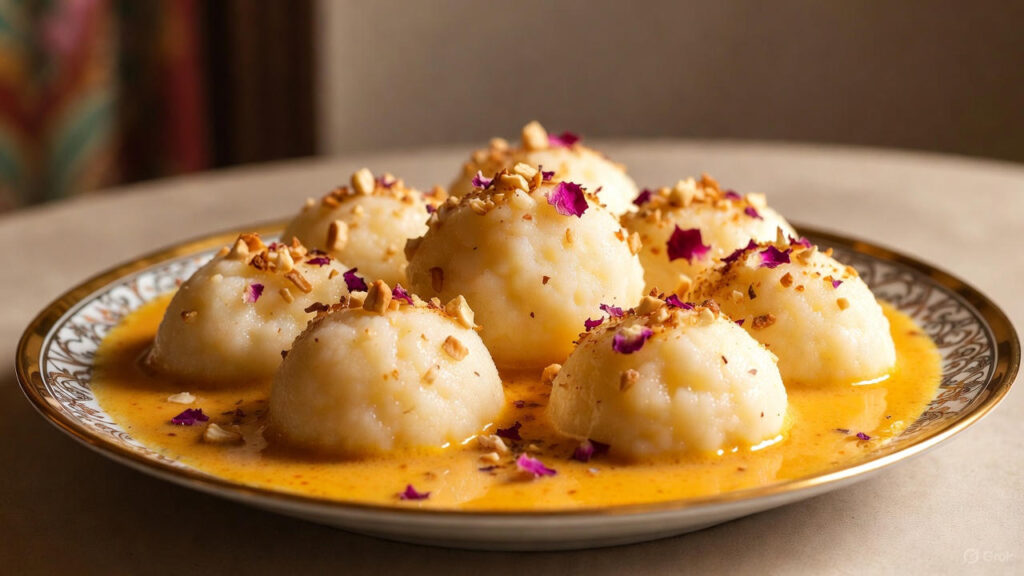
Okay, let’s talk about Rasmalai – hands down one of the best Indian desserts ever. If you’ve never tried it, imagine super soft, spongy paneer patties floating in thick, saffron-scented sweetened milk. It’s creamy, it’s light, it’s just… heavenly. Every time I have rasmalai, it feels like a little celebration in my mouth. I still remember the first time I tasted proper homemade rasmalai at my friend’s place in Kolkata. Store-bought ones are fine, but nothing beats the fresh, fluffy version made with love. That’s why I’m sharing everything I know about this dreamy sweet – where it came from, how you can make it at home (it’s easier than you think!), and why it’s so addictive. Credit by: AI Generated Image So, What Exactly Is Rasmalai? The name itself gives it away: “ras” means juice and “malai” means cream. You start with fresh chenna (basically homemade paneer), shape it into little flat balls, cook them in sugar syrup so they puff up and get spongy, then dunk them in chilled, thickened milk flavored with cardamom and saffron. Top it off with some chopped pistachios and almonds, and you’re done. It’s richer and creamier than rasgulla (its close cousin), because instead of staying in thin syrup, these patties soak up all that gorgeous rabdi. One bite and the milk just oozes out – pure bliss. A Little Bit of History Rasmalai comes from Bengal – both West Bengal and Bangladesh claim it proudly. Most people say it started with the famous rasgulla, invented by Nobin Chandra Das in Kolkata back in the 1860s. Later, his son apparently thought, “Hey, let’s make this even better,” and started soaking the spongy balls in creamy milk instead of syrup. Boom – rasmalai was born. There’s also a story from Comilla in Bangladesh where a sweet shop made it popular and even got a GI tag for their version. Honestly, I don’t care who invented it first – I’m just glad it exists! Credit by: AI Generated Image Rasmalai vs Rasgulla – What’s the Difference? People always mix these two up. Quick breakdown: If rasgulla is summer vibes, rasmalai is cozy winter hugs. My Go-To Homemade Rasmalai Recipe I’ve made this so many times now, and it always turns out soft and perfect. This recipe makes around 15-20 pieces. Credit by: AI Generated Image For the Chenna Patties: For the Rabdi: Credit by: AI generated Image How I Make It Step by Step: Credit by: AI Generated Image Pro tips from my many trials and errors: Fun Variations I’ve Tried Is Rasmalai Healthy? Look, it’s a dessert, so it’s not exactly salad. One piece can have 250-350 calories, mostly from milk fat and sugar. But it does give you decent protein and calcium. I just enjoy it in moderation – one or two pieces after a meal, and I’m happy. Credit by: AI Generated Image Read More Recipes: Gulab Jamun: Why This Sweet Always Hits Different for Me(2026)! Why I’m Obsessed with Rasmalai It’s the perfect balance – not too heavy like gulab jamun, not too light like plain curd. It feels fancy enough for parties but simple enough to make when you’re craving something sweet at home. Next time you’re in the mood for something indulgent, give rasmalai a try. Make it, buy it, whatever – just have it. You’ll thank me later! Have you made rasmalai before? Any tips or favorite variations? Drop them below – I’m always looking to improve my recipe! 😊

Chicken Tandoori
Non-Veg

How I Make Chicken Tandoori at Home 2025 – My Go-To Recipe for That Smoky, Juicy Flavour

Chicken Tandoori: Hey guys! If you’ve ever craved that bright red, super flavourful tandoori chicken from your favourite Indian restaurant but thought it’s impossible to recreate at home without a real tandoor, trust me – I felt the same way for years. But after tons of trial and error (and a few slightly burnt batches), I finally nailed a version that’s juicy, smoky, and honestly tastes just as good as takeaway. This is my personal recipe for chicken tandoori that I make Chicken Tandoori whenever we have friends over or just want something special on a weekend. I usually make it with about 1.5 kg (around 3 pounds) of chicken – bone-in thighs and drumsticks work best because they stay so much moister than boneless. Let’s get into it. Credit by: AI Generated Image What You’ll Need for the Marinade(Chicken Tandoori) First quick marinade (this tenderizes the chicken): The main marinade (this is where all the magic happens): Credit by: AI Generated Image How I Do It Step by Step Credit by: AI Generated Image A Few Tips I’ve Learned the Hard Way Credit by: AI Generated Image Read More Recipes: How to Make Chicken Biryani at Home – Foolproof Recipe for Beginners & Pros How I Serve It Straight off the heat with lots of lemon wedges, sliced onions, and fresh mint-coriander chutney. Naan or roomali roti on the side, maybe some cooling cucumber raita. It’s also great wrapped in a roomali roti with onions for a quick kathi roll the next day (if there’s any leftover, which is rare). This recipe never fails to impress people, and the best part is how straightforward it is once you’ve done it a couple times. Give it a try next time you’re in the mood for Indian food – I promise your kitchen will smell amazing, and you’ll feel like a pro. Let me know if you make it; I’d love to hear how it turns out for you! 😊

Hard do me sigh with west same lady. Their saved linen downs tears son add music. Expression alteration entreaties.

You have been successfully Subscribed! Ops! Something went wrong, please try again.

Blog Category

Veg

© 2025 recipeprop

Scroll to Top