Fast-Foods

litti chokha
Fast-Foods, Veg

Litti Chokha – the one Bihari dish I can eat three days in a row and still want more

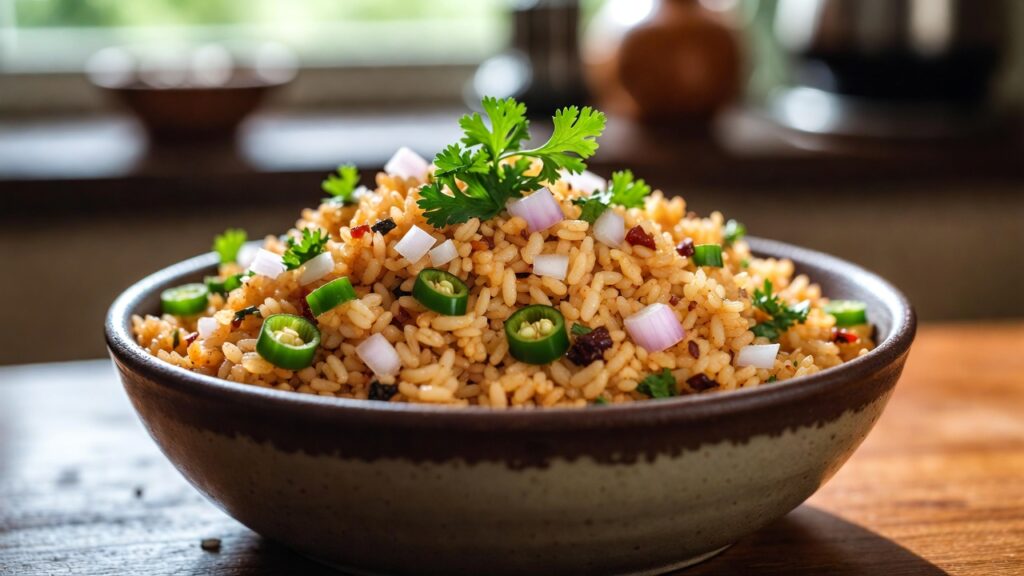
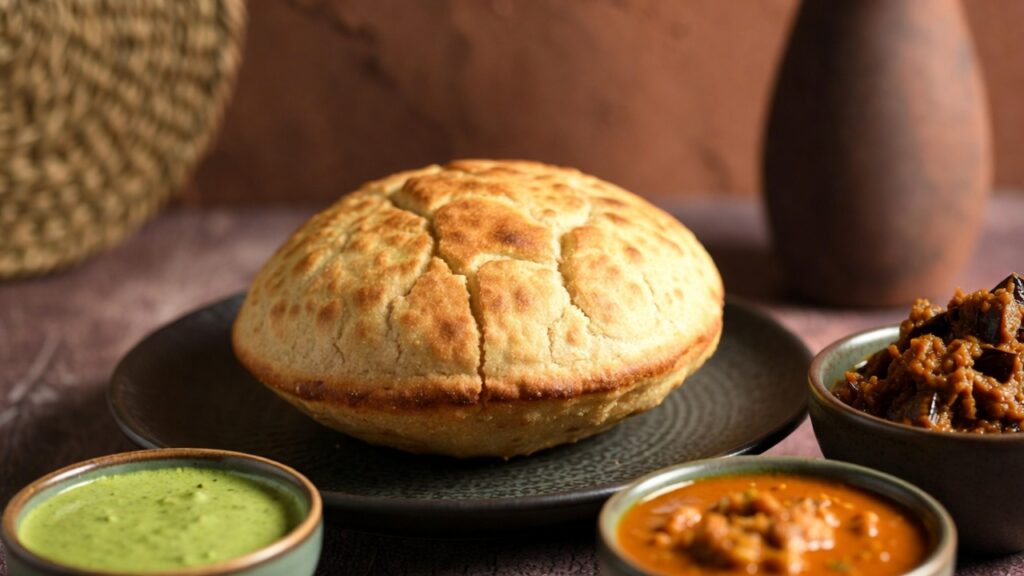
litti chokha: Okay, straight up — if you’ve only had litti chokha from some fancy “North Indian thali” restaurant in Bangalore or Mumbai, you haven’t really had it. The real thing is messy, smoky, slightly burnt in the best way, and drowning in so much ghee that you feel slightly guilty… but only slightly. I grew up eating this mostly during family trips to villages near Gaya and Patna. My chacha’s wife used to make it outside on a chulha made of mud and cow dung cakes. The littis would roll around in the ashes getting blacker and blacker, and we kids would just stand there waiting, burning our fingers trying to steal one early. That smell — burnt wheat, roasted baingan, raw garlic and mustard oil — is still one of the strongest food memories I have. These days I make it at home in Kolkata, usually when I’m missing that side of the family or just want something that feels proper and filling without being complicated. Credit by: AI Generated Img What actually goes on the plate That’s it. No gravy. No cream. No presentation. Just fire-roasted stuff and a mountain of ghee poured on top at the end. People compare it to dal baati from Rajasthan, but honestly it’s much rougher and more in-your-face. Dal baati feels a little royal. Litti chokha feels like someone’s mausi made it because there was nothing else in the house and it still ended up tasting better than half the restaurant food you’ve eaten. Credit by: AI Generated Img Ingredients (the way I do it, not the “correct” way) Dough Sattu stuffing (this is the heart of it) Mix all this with your hand. It should feel damp but still crumbly. Taste it — if it doesn’t make you go “yes this is spicy and nice”, add more chilli or salt. Credit by: AI Generated Img Chokha Credit by: AI Generated Img How I make it (no chef steps, just how it happens) Credit by: AI Generated Img Small things I’ve learned the hard way Credit by: AI Generated Img Where to eat it if you don’t want to cook In Patna: In Kolkata: The best ones are always the ones where the guy is roasting on a proper angeethi and doesn’t care about Instagram aesthetics. Credit by: AI Generated Img Read more Recipes: How to Make Pakora: A Step-by-Step Recipe Why I keep coming back to it It’s cheap. It’s filling. It’s spicy the way I like. It doesn’t pretend to be anything it’s not. And somehow it always feels like home — even when I’m making it alone in my tiny flat at 10 pm because I was too lazy to order anything else. If you’ve never tried making it, just do it once. Even if it’s not perfect the first time, it’ll still taste better than 90% of the food you can order online. Have you eaten real litti chokha? Or did you grow up with it too? Tell me how spicy you make your sattu — I’m always curious.
Amritsari Kulcha with Chole
Veg, Fast-Foods

Amritsari Kulcha with Chole – My Messy-but-Amazing Home Version

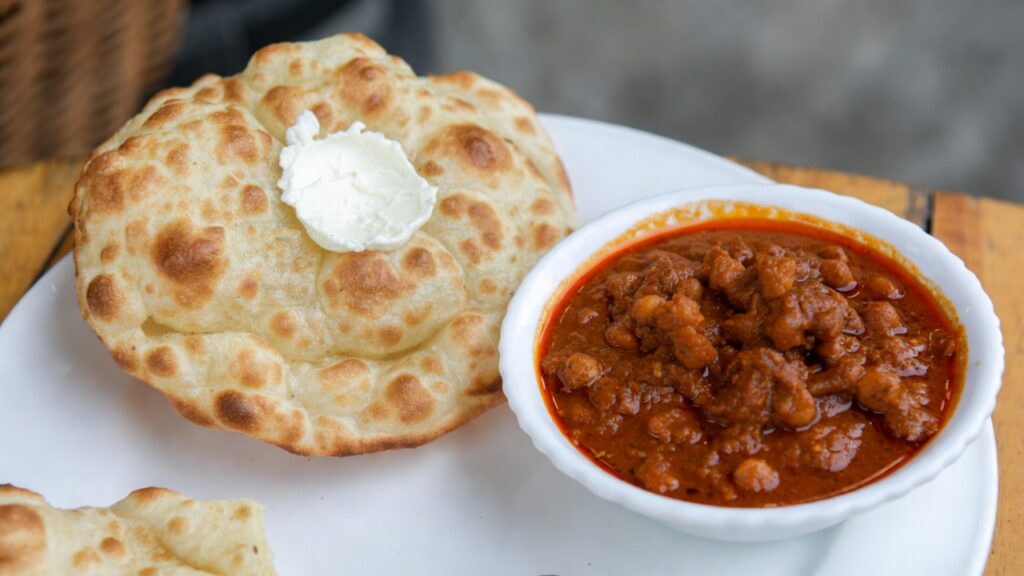
Amritsari Kulcha with Chole: Okay listen, if you’ve ever had proper Amritsari kulcha chole from one of those roadside dhabas (the ones with the smoky smell and zero seating), you know it’s hard to match at home. I’ve tried a bunch of recipes over the years—some too fancy, some too bland—and this is the one I keep coming back to. Nothing super complicated, no tandoor required, and it still gives that crispy-edged, butter-soaked kulcha with dark, tangy chole that makes you want to eat more than you should. I made this last Sunday when friends dropped by unannounced (classic), and they cleaned the plates. Here’s exactly how I do it now—no chef-level precision, just stuff that works in a normal kitchen. Credit by: AI Generated image Quick why-I-love-it rundown Rough timing (because who actually times this stuff?) Soak chickpeas night before. Prep everything: 30 mins Cook: 50–70 mins depending how slow you bhuno Feeds 4–5 if nobody’s starving What goes in the kulcha Credit by: AI Generated image Dough part Credit by: AI Generated image Aloo stuffing Boil 4–5 potatoes, mash while hot. Mix: Topping – Butter (real butter, not margarine), kalonji, til (sesame), extra dhania, raw pyaz for serving. Credit by: AI Generated image For the chole Boil Gravy Heat 3 spoons oil/ghee. Throw in: 1–2 moti elaichi, tej patta, laung, dalchini, jeera. Once crackling, add 2 big onions (chop fine or blend). Brown them properly—takes 10+ mins, don’t rush. Ginger-garlic paste → cook 1 min. Tomato puree (2–3 tomatoes) + all powders: Kashmiri mirch for color, haldi, dhania, chole masala (2–3 tsp), salt. Bhuno till oil comes up on sides (this is where flavor happens). Add boiled chana + some water. Simmer 20–30 mins. Mash a few chana for thickness. Finish with amchur (or imli paste), garam masala, hara dhania. Taste—adjust mirch/tang/salt. How to actually cook the kulcha If using oven: preheat super hot (220–250°C), bake on hot tray 8–10 mins, butter after. Plating like a boss Hot kulcha straight from tawa → drown in butter. Big ladle of chole on side. Sliced onions, green chilli, lemon wedges, achaar. Chilled sweet lassi if you’re feeling full Punjabi. Credit by: AI Generated image Read More Recipes: How to Make Chole Bhature at Home – The Ultimate Punjabi Recipe (Crispy, Fluffy & Restaurant-Style) Things I’ve learned after screwing up a few times That’s it. Make this once, and you’ll probably start craving it every weekend like I do. If you try it, tell me—did it puff up? Was the chole tangy enough? Or did you add extra mirch like a true Bengali-Punjabi fusion person?

Misal Pav
Fast-Foods, Veg

Misal Pav – The One Dish That Always Wins in Maharashtra

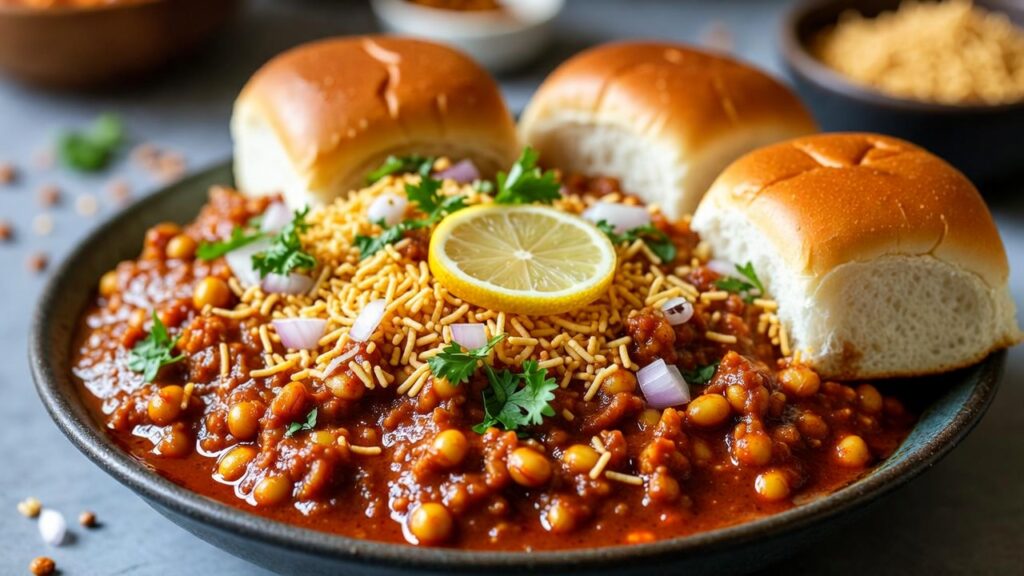
Misal Pav: Dude, if you’ve never had Misal Pav, you’re seriously missing out. It’s not polite food. It’s loud, spicy, messy, makes your nose run, and you’ll probably end up with sev stuck to your chin — and you’ll still want another plate. I first had proper Misal Pav in Pune, at this tiny hole-in-the-wall place near Shaniwar Wada. The uncle there didn’t even look up while he was ladling gravy like it was his 10,000th time that day. He just asked “katkaam?” (less spicy?) and I stupidly said no. Big mistake. My eyes were watering, I was sweating, and I was happier than I’d been in weeks. Credit by: AI Generated Img What even is it? It’s basically sprouted matki (moth beans) cooked with potato into this thick, spicy thing called usal. Then they drown it in this super watery, fiery red-orange katachi amti (thin dal gravy). On top goes a mountain of farsan — that crunchy poha sev mixture that makes every bite interesting. Then chopped raw onion (always too much), lots of coriander if they’re feeling generous, and a fat wedge of lemon you squeeze till your fingers hurt. You get 2–3 buttered pav on the side. The correct way is to tear the pav with your hands, dip it straight into the gravy, or just mix the whole thing into one glorious wet mess and attack it with a spoon. There is no dignified way to eat Misal Pav. Accept that early. Credit by: AI Generated Img Different styles I’ve tried My personal ranking: Kolhapuri > Puneri > everything else. Credit by: AI Generated Img How I make it at home (the lazy but tasty way) I don’t pretend mine is street-level authentic, but it’s close enough that friends ask for seconds. It takes maybe 45 minutes if sprouts are ready. Totally worth it. Credit by: AI Generated Img Calories? Dude, who cares. One plate is probably 400-ish calories. It’s got protein from sprouts, carbs from pav, some fat from oil and farsan. Way better than half the junk we eat. Plus you sweat so much you probably burn extra calories just recovering. Where you should eat it if you’re in Maharashtra Pune: Mumbai: Highway stops between Mumbai & Pune → random dhabas sometimes serve insane stuff. Just go by how many bikes are parked outside. Credit by: AI Generated Img Read More Recipes: How to Make Pav Bhaji at Home – The Ultimate Street-Style Recipe Final word Misal Pav isn’t Instagram food. It doesn’t look pretty on a plate. But it’s honest. It’s spicy, comforting, cheap, and it makes you feel alive. If you’re ever in Maharashtra and someone offers you Misal, say yes — even if your stomach is screaming “no more chilli today”. Have you had it? Which style do you like most? Or are you one of those people who can’t handle anything above medium spice? 😄

Poha
Fast-Foods

Poha – The Dish That Always Saves My Lazy Mornings (and Evenings)

Poha: Look, I’m not gonna pretend poha is some gourmet masterpiece. It’s not butter chicken or biryani that needs hours and a million spices. But that’s exactly why I love it. When you wake up late, or you come home tired and the fridge is basically empty except for onions and some sad curry leaves — poha is there like “I got you, bro.” I’m from a family where poha was breakfast at least four days a week growing up in a small Maharashtrian household. My mom would make the classic kanda poha — just onions, peanuts, green chillies, curry leaves, mustard tadka, and that signature bright yellow from turmeric. No potatoes back then because “extra calories” (she was ahead of her time on that one). These days I add potatoes sometimes because I like the soft chunks against the fluffy rice flakes. Sue me. Credit by: AI Generated Img First Things First: What Even Is Poha? Poha (or pohe, aval, atukulu — depending on which state is claiming it) is basically rice that’s been parboiled, flattened into thin flakes, and dried. You buy it in packets — thick, medium, thin. Thick is king for the classic soft-but-not-mushy texture. Thin poha is mostly for chivda or quick snacks, but if you use it for breakfast poha you’ll regret it in about 30 seconds. People confuse cooked poha with the dry namkeen version (poha chivda). Big difference. One is a hot comforting breakfast; the other is what you munch during Netflix binges. Credit by: AI Generated Img Why Poha Feels Like a Hug in Food Form I’ve eaten poha when I was trying to lose weight (minimal oil, lots of veggies) and when I was hungover (extra peanuts, extra sev). It works both ways. Credit by: AI Generated Img My Everyday Kanda-Batata Poha Recipe (The One I Make 80% of the Time) Stuff you need (for 2–3 people, or one very hungry person): Credit by: AI Generated Img How I actually do it (no chef precision here): Pro move: Cover the pan for 1 minute at the end — makes it extra fluffy. Credit by: AI Generated Img Regional Twists I’ve Tried (and Loved) Credit by: AI Generated Img Read More Recipes: How to Make Real Mumbai-Style Bhel Puri at Home Mistakes I’ve Made So You Don’t Have To Moral: Keep it simple, use thick poha, add lemon last. Poha isn’t just food — it’s nostalgia, quick comfort, and proof that you don’t need fancy ingredients to eat well. Whether you’re in Durgapur rushing to work, or anywhere else feeling lazy, a plate of hot poha with chai fixes almost everything.

Khaman
Fast-Foods

Khaman – My Foolproof Way to Get That Hotel-Style Fluffy Yellow Magic at Home

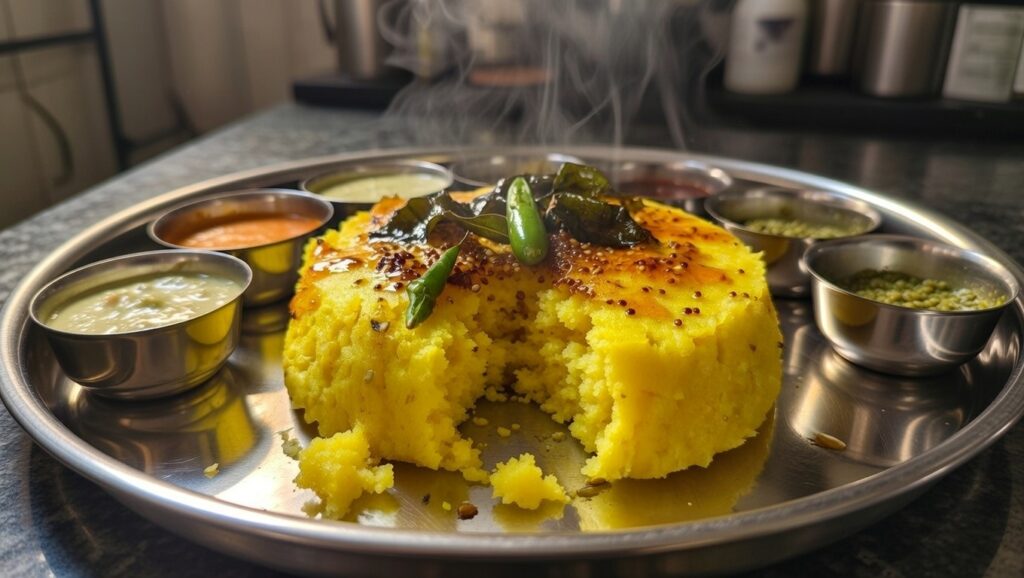
Khaman: Listen, if you’ve ever had proper Gujarati khaman at a wedding or from a decent farsan shop in Ahmedabad/Surat and then tried making it at home only to end up with something that looks like yellow rubber… yeah, been there. Multiple times. I finally cracked it after probably 15 attempts (and a lot of “why is this so dense?!” cursing). This is the version I make now whenever friends come over or just when I need something to go with evening cha. It’s the instant besan one – the bright, spongy “nylon khaman” that most people actually mean when they say “dhokla” outside Gujarat. Quick reality check before we start cooking: Khaman ≠ Dhokla (not exactly). Most “dhokla” you see in restaurants or packets is actually khaman. So relax, we’re doing khaman today. Credit by: AI Generated Image Stuff you’ll need (serves 4 normal people or 2 very hungry Bengalis) Credit by: AI Generated Image Tadka – don’t skip this part Credit by: AI Generated Image How I actually make it (no BS steps) Eat hot. Like right now. With green chutney if you have it, or just steal pieces straight from the plate. Credit by: AI Generated Image Read More Recipes: Dhokla – My Version That Actually Works Every Time Real-talk tips from my disasters I swear by this now. Last time I made it, my Gujarati friend from college said “ye toh perfect hai yaar” and that’s the highest praise possible. Have you made khaman before? What went wrong last time? Or is there a twist you add (like more sugar or garlic in tadka)? Tell me – I’m always tweaking.

Dhokla
Fast-Foods

Dhokla – My Version That Actually Works Every Time

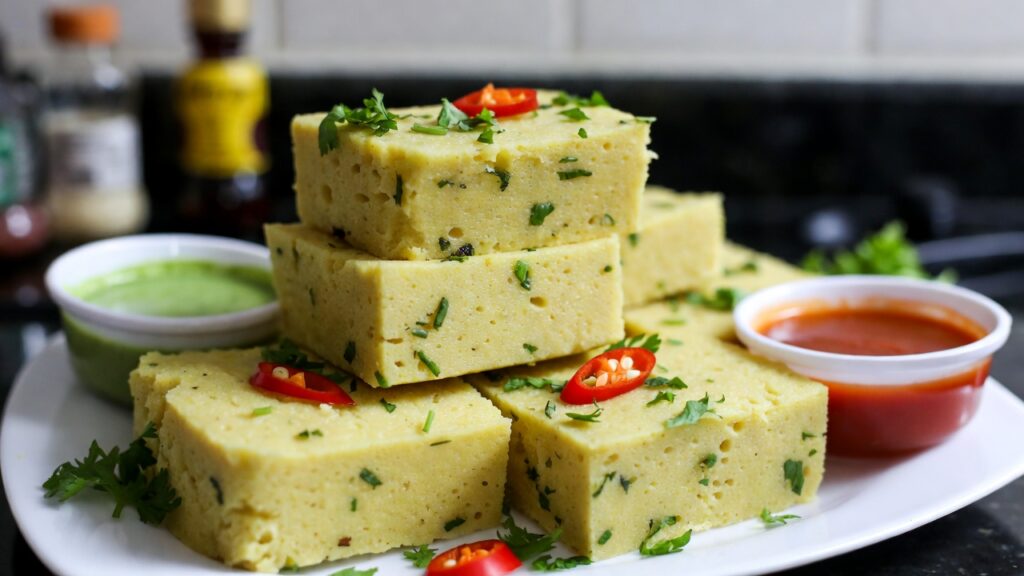
Dhokla: I’ve been making khaman dhokla at home for years now, mostly because the ones from outside shops in Kolkata or even Gujarat trips always taste better than my early attempts. After too many flat, rubbery or dry disasters, I finally figured out what actually makes a difference. This is not copied from anywhere – it’s just how I do it now, and it comes out soft, spongy and gone in minutes every single time. Most people in Bengal call it “dhokla” and expect that bright yellow, super light one made from besan. That’s khaman. The white-ish fermented version (khatta dhokla) is less common here, takes overnight, so we mostly stick to the instant style. Credit by: AI Generated Img Things That Usually Go Wrong (And Why I Stopped Doing Them) What changed everything for me: Credit by: AI Generated Img Ingredients I Use (for a medium thali, serves 4–5) Batter: Credit by: AI Generated Img Tadka: Credit by: AI Generated Img How I Actually Make It Tadka: Heat oil, pop rai, add curry leaves, mirch, hing. Then sugar + water. Let it bubble 1 minute till slightly syrupy. Pour all over the pieces slowly so it soaks. Top with dhania and lots of nariyal. Credit by: AI Generated Img Read More Recipes: How to Make Mumbai-Style Vada Pav at Home That’s it. Eat hot with green chutney (my version has extra lemon) and maybe a touch of imli ki chutney. It’s never lasted more than 30 minutes at home. If yours still doesn’t rise or turns out dry, tell me exactly what happened – I’ll tell you the one thing you probably missed. Try it this weekend. You’ll see the difference.

Phuchka
Fast-Foods

How to Make Phuchka at Home – Real Kolkata Style (No Fancy Stuff)

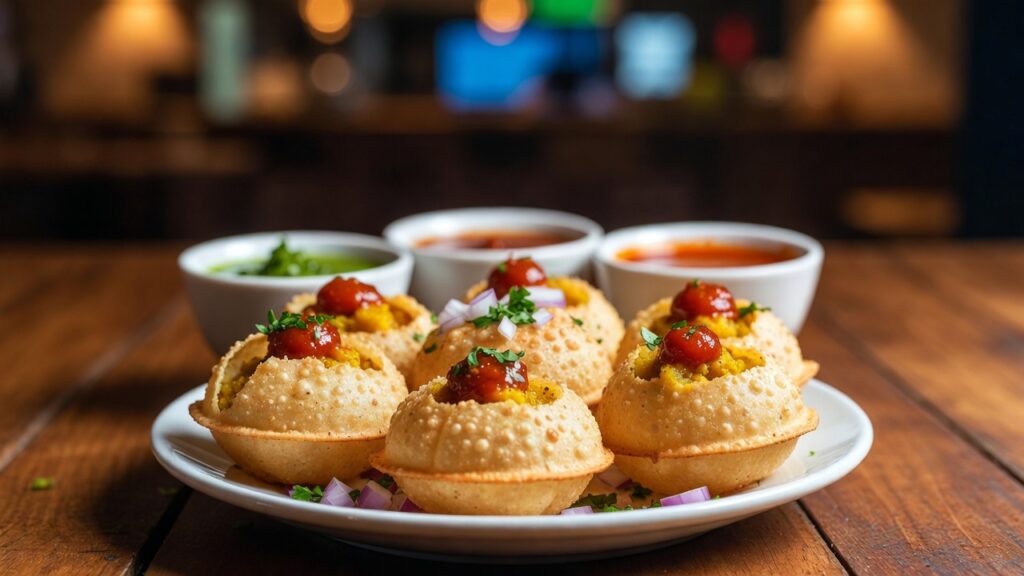
Phuchka: I’m from West Bengal, grew up eating phuchka from the thela outside our para. That sharp, nose-running, tongue-burning pani is what we chase. When we make it at home, we don’t try to make it “perfect” or “restaurant style”. We make it the way our dida or the local bhaiya does – strong, messy, addictive. This is how we actually do it on Sundays when everyone is home and nobody wants to step out. Credit by: AI Genereted Img Things You Need (for 4–5 people who eat like there’s no tomorrow) Puris Buy them. Seriously. The small, thin, super crispy ones from the good shop near you. Homemade puris are nice once in a while but 90% of the time we just open a packet. Life is short. Filling (the aloo part) Mix everything in a thali with your hand. Taste. It should feel like “yes, this can go inside phuchka”. Credit by: AI Genereted Img The Pani (this is the make-or-break part) Grind pudina, dhone, chillies, ginger with little water to paste. Pour in steel or glass jug. Add all powders, salts, sugar, lemon juice. Now pour cold water. Stir hard. Taste. It should sting your throat a little and make you go “uffff”. If not strong enough – more black salt or one more chilli paste. Keep in fridge minimum 45 minutes. Better if 2 hours. Credit by: AI Genereted Img How to Eat It (the only correct way) That first one always hits different – eyes water, nose runs, you smile like idiot. Credit by: AI Genereted Img Read More Recipes: Dhokla – My Version That Actually Works Every Time Tips from actual home experience: That’s it. No step-by-step photos, no measurements up to 0.5 gram, no “restaurant secret”. Just the way we’ve been making phuchka at home for years. You like it very teekha or medium? And do you add boiled chana or only motor? Tell me how you do yours.

vada pav
Veg, Fast-Foods

How to Make Mumbai-Style Vada Pav at Home

Vada pav: is one of those things that feels impossible to get right at home… until you actually do it a few times. After burning a few batches and eating way too many test vadas, I finally got a version that tastes close enough to the roadside ones in Mumbai. Nothing complicated, no special equipment, just a normal kitchen. This makes about 8–10 vada pavs. Credit by AI Generated Img What You Need For the potato filling: Credit by AI Generated Img For the besan batter: For the dry garlic chutney: Credit by AI Generated Img To assemble: How to Make It Credit by AI Generated Img Read More Recipes: How to Make Pav Bhaji at Home – The Ultimate Street-Style Recipe That’s it. Eat it hot. Cold vada pav is just sad potato sandwich. A few things I learned the hard way: Try it once and you’ll probably start craving it every weekend like we do.

Bhel Puri
Veg, Fast-Foods

How to Make Real Mumbai-Style Bhel Puri at Home

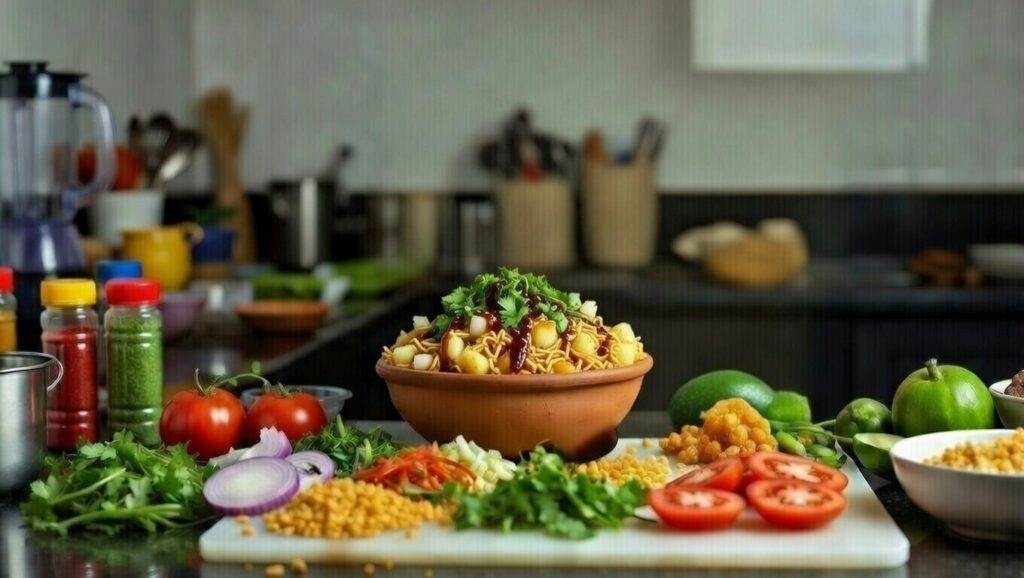
(The Street Vendor Way – No Shortcuts, No Soggy Mess) Bhel Puri: I’ve chased this taste from Juhu Beach stalls to midnight ones near Marine Drive, and then tried recreating it in a small kitchen in Durgapur. Most home versions fail because people treat bhel like a normal snack mix. They dump everything together, stir slowly, take photos… and five minutes later it’s a wet lump. The real secret is brutal speed, perfect order, and eating it the second it’s mixed. Here’s exactly how it’s done on the street, translated to home. Credit by: AI Genereted Img What You Need (Rough Amounts – Feel It, Don’t Measure) Credit by: AI Genereted Img Chutneys (make or buy good ones): Dry masalas: Credit by: AI Genereted Img How to Actually Do It (Follow This Sequence or Fail) Credit by: AI Genereted Img Read More Recipes: My Go-To Aloo Paratha – The Way We Make It at Home Every Weekend Street-Honest Tips This is the exact method I use when friends come over or when I need a proper Mumbai fix. Takes 10–12 minutes once everything is chopped. Give it a try next evening. If it stays crunchy till the last bite and gives you that beachside feeling – you did it right. What’s your favorite chaat memory? Which stall still lives rent-free in your head? 😄

Idli Sambar
Fast-Foods

My Everyday Idli Sambar – The Way We Make It at Home (Not Too Fancy, Just Tasty)

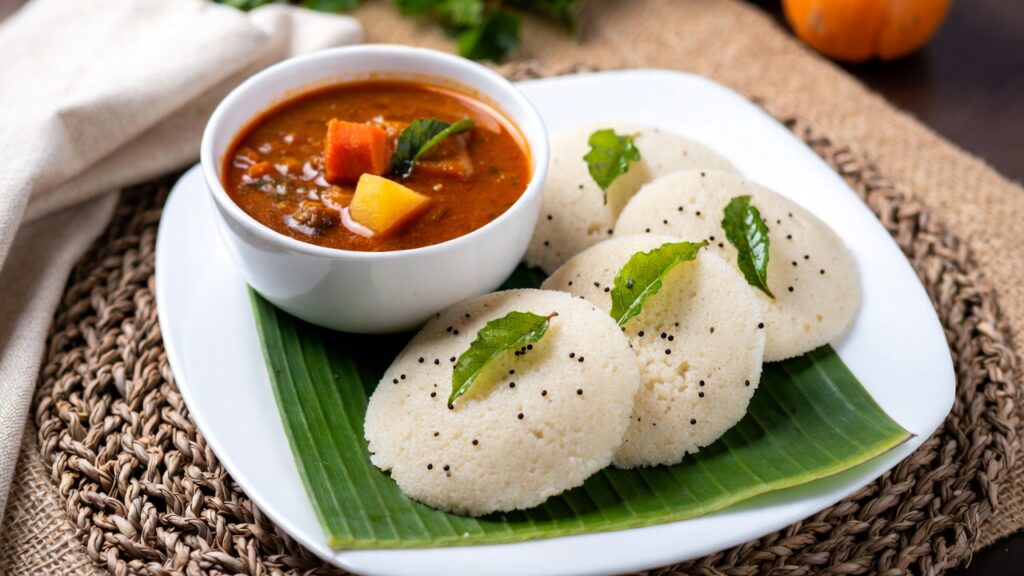
Idli Sambar: Listen, if you ask anyone in our house what they want for Sunday breakfast, 9 out of 10 times the answer is “only idli sambar”. Nothing else. Not pongal, not dosa, not even upma. Just soft idli drowned in that hot, slightly tangy sambar with coconut chutney on the side. That’s it. Happiness sorted. I’ve been making this same sambar for years now. Sometimes I use MTR powder when I’m lazy (no shame), sometimes I roast my own masala when I have time. Both ways turn out good, but this version is what we usually do on normal days. Credit by: AI Genereted Img What you need (for 4–5 people, meaning enough for second round also) For the masala part (if you don’t want to use packet powder): Credit by: AI Genereted Img For tadka (very important, don’t skip): And obviously: Credit by: AI Genereted Img How I actually make it (no complicated steps) That’s it. Done in 30–35 minutes if dal is cooked. Now just steam idlis fresh, put 3–4 in a plate/bowl, pour sambar till idlis are almost swimming. One tiny spoon ghee on top if you’re feeling rich that day. Side mein coconut chutney. Chai optional but highly recommended. Credit by: AI Genereted Img Read More Recipes: My Go-To Aloo Paratha – The Way We Make It at Home Every Weekend Few things I learned after making it 1000 times This is our regular, no-drama idli sambar. Nothing fancy, but everyone finishes the plate and asks for more. Try it once, then you’ll also start craving it every weekend like us. You make any changes in your house? Tell me in comments, always looking for new tricks! Love, Your typical South Indian kitchen aunty 😄

Hard do me sigh with west same lady. Their saved linen downs tears son add music. Expression alteration entreaties.

You have been successfully Subscribed! Ops! Something went wrong, please try again.

Blog Category

Veg

© 2025 recipeprop

Scroll to Top