
Non-Veg

Cottage Cheese Egg Bites & Bowls
Non-Veg

Cottage Cheese Egg Bites & Bowls — The Thing That Finally Made Breakfast Not Suck

Cottage Cheese Egg Bites & Bowls: Man, I used to hate mornings. Wake up, stare at the fridge, end up eating the same three boring things on repeat: oats that taste like sadness, eggs that come out like hockey pucks, or — worst case — nothing and then crash by 10:30. Then last year I started throwing cottage cheese into my eggs because I saw some guy on Instagram swearing by it. Thought it was dumb at first. Cottage cheese? In eggs? Sounds like something your weird aunt would eat(Cottage Cheese Egg Bites & Bowls). Tried it anyway. Holy crap. Game changer. Now I make these little egg bites or just big sloppy bowls almost every week. They’re stupid easy(Cottage Cheese Egg Bites & Bowls ), they actually taste good, they keep me full till lunch (sometimes longer), and they pack way more protein than anything I was eating before. So yeah, I’m writing this because if I can stop hating breakfast, maybe you can too. Credit by: AI Generated Img The Basic Deal — What Even Are These? Egg bites = basically mini frittatas or egg muffins, but with cottage cheese blended in so they come out fluffy and moist instead of dry and sad. Bowls = same ingredients, just poured into a bigger dish or ramekin, or sometimes I don’t even bake them — just scoop cottage cheese in a bowl and top it with eggs and whatever else is in the fridge. The magic is the cottage cheese. It adds creaminess, tons of protein, and stops the eggs from turning into rubber. Also cheap as hell. A big tub + dozen eggs = like 5–6 days of breakfast for under $10. Credit by: AI Generated Img My Sunday Batch Recipe (the one I actually make) I do this almost every Sunday while the coffee’s brewing. You need: Credit by: AI Generated Img Steps (nothing fancy):(Cottage Cheese Egg Bites & Bowls ) That’s literally it. No water bath, no special equipment, no stress. Credit by: AI Generated Img Stuff I Actually Put In Them(Cottage Cheese Egg Bites & Bowls ) Pro move: cook any meat or wet veggies first. Raw stuff makes everything soggy and gross. Credit by: AI Generated Img The Bowl Version (when I’m lazy or hungry) Some days I don’t want to deal with muffin tins. Quick version (no baking): Baked version: I’ve also done a “dump everything” version where I just mix it all in a small baking dish and call it breakfast casserole. Works fine. Credit by: AI Generated Img Things I Messed Up So You Don’t Have To So yeah… full-fat cottage cheese, grease the tin, cook wet stuff first, don’t bake forever. Credit by: AI Generated Img Why I Keep Making These Also, they don’t feel like “diet food.” They feel like real breakfast. Credit by: AI Generated Img Read More Recipes: Fish Curry: How We Actually Make Macher Jhol at Home (Bengali / Malabar / Goan) Last Thing If you’re the guy who’s been eating the same scrambled eggs for three years or skipping breakfast altogether, just try one batch. Worst case you waste a dozen eggs and some cottage cheese. Best case you finally look forward to mornings. What do you guys throw in yours? I’m always down for new combos. Hit me with your versions.

Pakora
Non-Veg

How to Make Pakora: A Step-by-Step Recipe

Pakora: Rain starts, lights go dim, someone says “chai banao na” and suddenly the kitchen smells like hot oil and jeera. That smell hits different. It’s childhood, it’s broke-college-days, it’s “bhaiya jaldi laao” at the corner stall. Pakora is the only thing that makes a rainy evening feel like home, even if you’re 2000 km away from it. I’m not gonna give you chef-level measurements or “perfect ratio” bakwas. I’ll just tell you how I make it at home — the way my family has always done, the way every second house in Bengal does it when the sky turns grey. Credit by: AI Generated Img What usually goes into our plate Most common one: pyaz wala Onions sliced not too thin, not too fat — roughly like matchsticks. Then palak (whole leaves sometimes, sometimes chopped). Aloo (thin rounds). Sometimes begun (brinjal) if ma is in the mood. Once in a while bread pakora when we’re feeling extra lazy. And if guests are coming — paneer cubes. That’s show-off level. Credit by: AI Generated Img My usual batter (no weighing scale involved) Take a big steel bowl (the one with the dent from when I dropped it in 2018). Credit by: AI Generated Img Mix everything dry first with the onions or veggies. Let it sit 5–10 minutes. Onions release water — that’s your free moisture. Then slowly add pani — really slowly. You don’t want flowing batter. You want sticky, thick, almost reluctant batter that barely drops off your fingers. Pro move: let the batter rest another 10 minutes while oil heats. Magic happens in that time. Credit by: AI Generated Img Frying — this is where most people mess up Oil should be medium hot — not roaring hot like we do for puri. Test karo: chhota sa batter drop karo — it should come up slowly with steady bubbles, not explode. Drop small irregular blobs using your fingers (no spoon, feels wrong). Don’t crowd the kadhai — 5–6 at a time max. Fry till deep golden, not brown-brown. Take out, keep on newspaper (not tissue — newspaper soaks better, fight me). Eat while it’s burning your fingers. That’s the rule. Credit by: AI Generated Img Chutney quick cheat versions Green chutney — dhania + pudina + green chilli + lemon + salt + tiny garlic if you’re not scared of smell. Grind rough. Or just squeeze lemon + sprinkle black salt + chaat masala on top. Done. Read More Recipes: Making Samosas at Home: The Recipe I Actually Use All the Time Random things I’ve learned after burning/failing 100 times

Hyderabadi Haleem
Non-Veg

Hyderabadi Haleem: The One Dish That Makes Ramzan Feel Like Home (Even If You’re Miles Away)

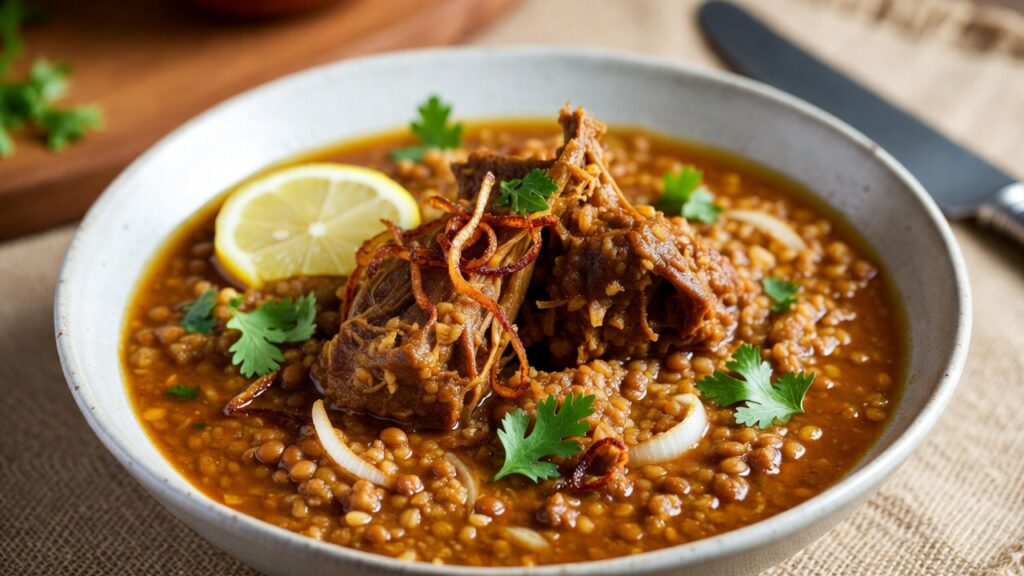
Hyderabadi Haleem: Listen, if you’ve ever broken your fast in Hyderabad during Ramzan, you know exactly what I’m talking about—that first spoonful of hot, ghee-laden Haleem hits different. It’s thick, almost sticky in the best way, with shredded mutton melting into the wheat and lentils, and then you get that crunch from fried onions and a burst of lemon. Man, it just warms you from the inside out after a long day without food or water. I’ve been chasing that feeling ever since I moved out of the city. Back home in Siliguri now, Ramzan doesn’t feel complete without trying to recreate it in my kitchen. Some years I nail it, some years it’s just “close enough,” but every time I stir that pot for hours, it takes me right back to standing in line at those tiny stalls, chatting with random uncles about whose version is better. Credit by: AI Generated Img How This Dish Became Hyderabad’s Pride Haleem came from the Arab world—Harees, they call it there—just basic meat and pounded wheat cooked slow. Traders and folks from Yemen brought it over centuries ago, but it was the Nizams’ era when it really got its Hyderabadi soul. They added loads of desi ghee, our garam masalas, cardamom, cloves, the works. Stories say some Arab nobles in the Nizam’s court started serving fancier versions at big iftar gatherings, and boom—it stuck. These days it’s got that official GI tag, which basically means only the real Hyderabadi style can call itself that. During Ramzan, the whole Old City smells like it. People queue up from afternoon, and the big spots churn out kilos upon kilos every day. It’s not just food; it’s community, nostalgia, and a serious energy boost to get through the night prayers. Credit by: AI Generated Img Why Hyderabadi Haleem Feels Special (Compared to Others) Pakistani haleem is great—thicker sometimes, more spices—but ours leans heavier on ghee and that silky texture from super-long cooking. The meat has to fall apart naturally, the wheat breaks down into this porridge-like base, and the toppings? Fried onions (birista) done right are crispy heaven, plus cashews, raisins if you’re feeling fancy, fresh mint, coriander, and always a lemon squeeze to cut through the richness. It’s calorie-dense, no denying—ghee and slow-cooking make it indulgent—but that’s the point during fasting. Protein from mutton and dals, carbs from wheat, fiber to keep you going. One good bowl and you’re set till sehri. Credit by: AI Generated Img My Real Home Recipe (The One I Actually Use, Not the Fancy Version)(Hyderabadi Haleem) I don’t have 12 hours for traditional slow-cooking anymore, so this is my practical take that still tastes legit. Serves 6-8 hungry people. Stuff You Need Credit by: AI Generated Img Steps I Follow Tip from my trial-and-error: Make extra onions—they make or break it. And if it’s too thick next day, just splash hot water or mutton stock. Credit by: AI Generated Img Where to Grab the Real Thing in Hyderabad Right Now (2025 Buzz) From what I’ve seen floating around lately, these spots owned Ramzan 2025: Credit by: AI Generated Img Read More Recipes: Discovering Mutton Briyani 2025: The King of All Briyanis I’ve Ever Had. Good Info If you’re ever there, go early—the lines get wild. For me, Haleem is more than a recipe—it’s that one thing that connects me back to Hyderabad no matter where I am. Even cooking it here in Siliguri, with the windows open and the smell filling the house, feels like a little piece of home during Ramzan. Have you tried making it yourself? Or got a spot that beats all others? Tell me your stories—I could use some inspiration for next year! Stay blessed and eat hearty. 🍲

Chicken chettinad
Non-Veg

Chicken Chettinad – The One Curry That Actually Wakes Up My Taste Buds

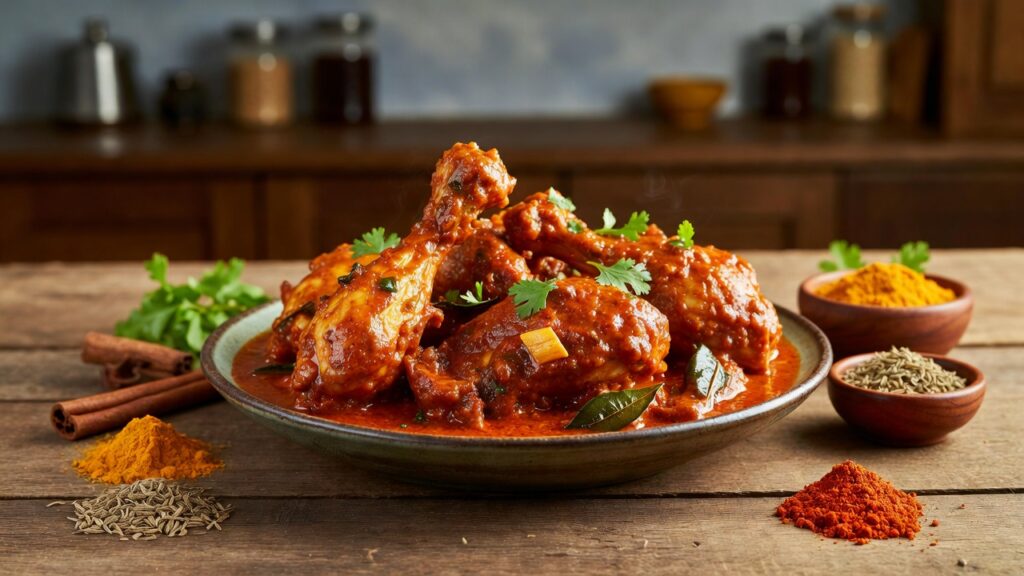
Chicken Chettinad: Listen, I’m not gonna lie—I used to think all chicken curries were kinda the same until I had proper Chettinad style at this random roadside place near Madurai years back. The smell hit me before the plate even landed. Pepper, curry leaves, something smoky and deep… I was hooked. Now I make it at home whenever I want to feel like I’m eating something special, not just “chicken again”. This version is what I do after burning spices twice, making it too watery once, and finally getting it right-ish. Not restaurant perfect, but close enough that my family asks for seconds. Let’s go. Credit by: AI generated Img Why bother with Chettinad when there’s butter chicken? Because butter chicken is sweet and safe. This one punches you in the face—in a good way. Real Chettinad chicken (from those old Chettiar merchant houses in Tamil Nadu) is dark, almost blackish from the roasted spices, super peppery, and doesn’t drown in tomato gravy. It’s more like the masala hugs the chicken pieces instead of swimming around them. Goes insanely well with just plain rice. Or tear into it with parotta if you’re feeling fancy. Even idli or dosa works if you’re in that kind of mood. Credit by: AI generated Img Stuff you need (I usually cook for 4–5 people who eat like me) Chicken part Credit by: AI generated Img The magic spice mix (roast this fresh or don’t bother) Credit by: AI generated Img For actual cooking Credit by: AI generated Img How I actually cook it (no chef nonsense) Pro move: Splash of thin coconut milk at the very end if it feels too intense. Credit by: AI generated Img Read More Recipes: How to Make Chicken Biryani at Home – Foolproof Recipe for Beginners & Pros Things I learned after screwing up a few times I made this last weekend and my cousin from Kolkata who hates “too much masaledar” stuff still asked for extra rice. That’s victory.

Fish Curry
Non-Veg

Fish Curry: How We Actually Make Macher Jhol at Home (Bengali / Malabar / Goan)

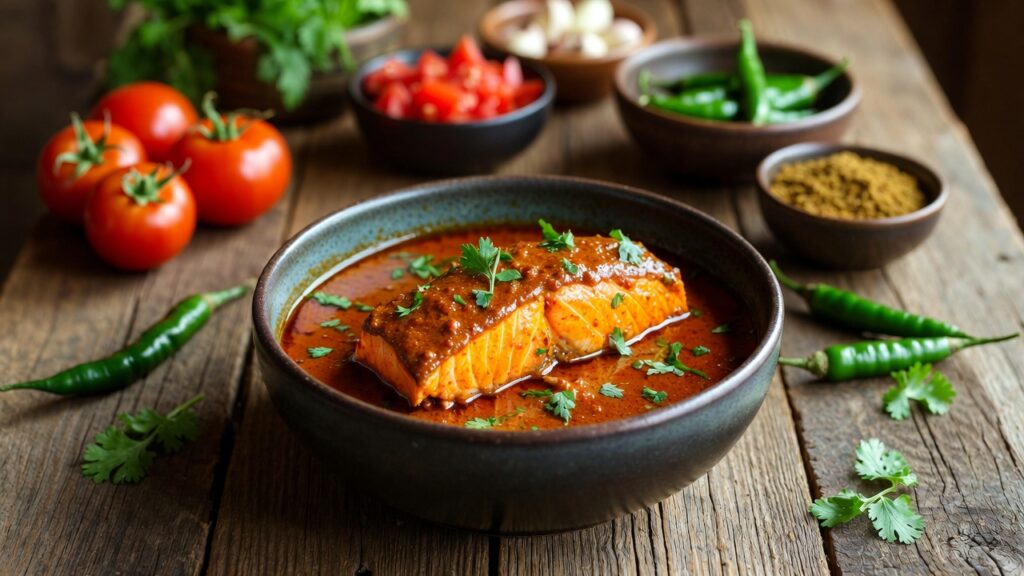
Fish Curry: I swear, nothing smells more like home than mustard oil hitting a hot kadhai and that first pop of kalonji seeds. For us in Bengal, fish curry isn’t some special occasion dish—it’s what ends up on the plate almost every other day. Ma would come back from the fish market with a couple of rohu or katla still moving, and by lunchtime we’d have steaming rice and a thin, golden macher jhol ready to go. I’ve read so many “Indian fish curry recipe” blogs online that feel like they’re written by robots—perfect measurements, 15-step photos, ingredients lists longer than my grocery bill. Forget that. This is how we really do it at home, plus a couple other styles I’ve picked up from friends and trips. Nothing complicated, just food that actually gets eaten. Credit by: AI Generated Image Why Fish Curry Just Hits Different It’s comforting without being heavy. The gravy soaks into the rice perfectly, there’s enough spice to wake you up, and a little sourness to balance everything. Fish is good for you too—protein, those healthy fats—but honestly we eat it because it tastes like childhood, not because of nutrition charts. In Bengal it’s light and runny. In Kerala it’s red and angry-hot. In Goa it’s creamy and a bit sweet. Pick your poison—every version has its fans. My everyday go-to is still the classic Bengali one. No coconut milk, no grinding pastes for hours, just simple and satisfying. Credit by: AI Generated Image Everyday Macher Jhol – The Way Ma Makes It (and I Still Do) This is for 4 people who like second helpings. What goes in: Credit by: AI Generated Image How it happens: Rub the fish with salt and turmeric. Let it sit while you chop the rest—10–15 minutes is plenty. Heat mustard oil in a kadhai till it smokes a little (important step, kills the raw smell). Fry the fish pieces lightly—just till they get a bit of color on both sides. Don’t cook them fully. Take them out and keep aside. In the same oil, add panch phoron and dry red chili. Let it crackle for a few seconds. Throw in the potato pieces, fry them till the edges soften a bit. Then add cumin powder, coriander powder, ginger, green chilies, salt. Stir everything around for 2 minutes till it smells proper. If I’m using tomato I add it now and cook till it breaks down and the oil starts coming out a little. Pour in water—2 to 2.5 cups if you like it thin like jhol usually is. Bring it to a boil, then gently slide the fish back in. Lower the flame, cover, and let it simmer 8–10 minutes. Don’t keep stirring or the fish will fall apart. Taste the gravy. Need more salt? Another chili? Fix it now. Switch off the gas, sprinkle chopped coriander. Done. Serve with hot rice. The fish head is the prize—fight for it if you have siblings. Little things I’ve figured out: Credit by: AI Generated Image The Other Fish Curries I’ve Got Hooked On Kerala style: That bright red one with kudampuli or tamarind, tons of Kashmiri chili for color, coconut oil tadka with curry leaves and a pinch of fenugreek. Super tangy, super spicy. Eat it once and your tongue remembers it for days. Goan fish curry: Coconut milk base, kokum for sourness, mild warm spices. It’s almost sweet compared to the others. Perfect when you want something comforting but different. Mangalorean or Chettinad ones: Lots of pepper, fennel, sometimes ground coconut to thicken. Really aromatic and bold. Whatever style you try, use the freshest fish you can get—pomfret for treat days, surmai for hearty chunks, tilapia when budget is tight. Credit by: AI Generated Image Read More Recipes: How I Make Chicken Tandoori at Home 2025 – My Go-To Recipe for That Smoky, Juicy Flavour Stuff That Actually Matters When Cooking Fish Curry If you’re new to this, start with the Bengali version. It’s hard to mess up and doesn’t need rare ingredients. Happy cooking, and may your gravy never be too thick. 🐟🍚

Naan
Non-Veg

My Favorite Homemade Naan Recipe(2026) – The One I Actually Make All the Time

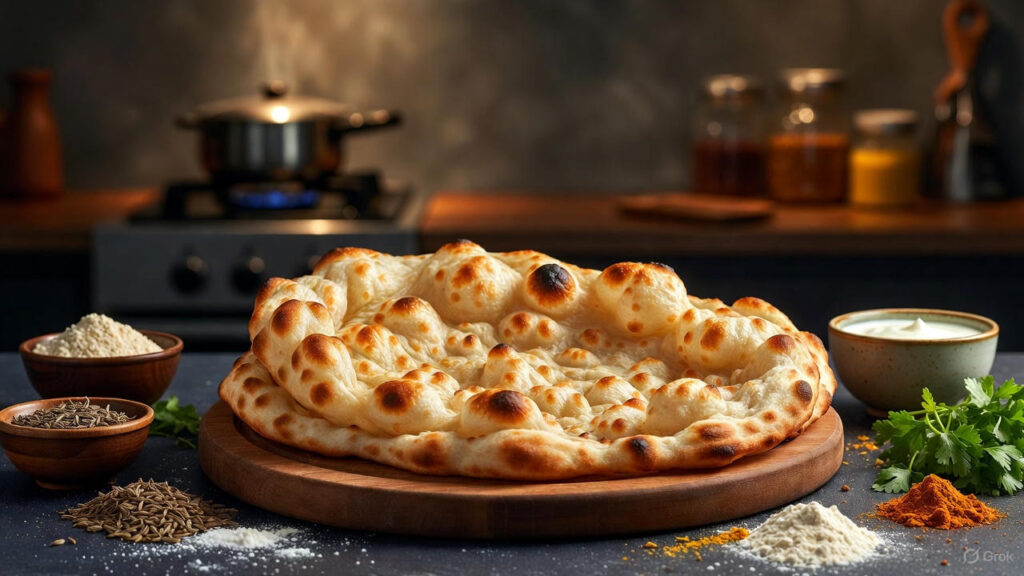
Naan: Okay, real talk: I’m completely obsessed with naan. Every time we have curry night at home (which is basically once a week), I refuse to buy the packaged stuff from the store anymore. It’s just not the same. A few years ago I started messing around with different recipes until I landed on this one that actually works – soft, fluffy, with those big bubbly spots and a little char that makes it taste like it came from a proper Indian restaurant. This is the exact recipe I use. No fancy equipment, just a heavy pan (I love my cast-iron skillet for this) and a bit of patience while the dough rises. It makes eight good-sized naans, enough for dinner plus a couple leftovers that we fight over the next morning. Credit by: AI Generated Image What You’ll Need For the dough: Credit by: AI Generated Image If you want garlic naan built right in: For brushing afterward: Credit by: AI Generated Image How I Make It – Step by Step Credit by: AI Generated Image A Few Things I’ve Learned Along the Way Read More Recipes: How to Make Authentic Kashmiri Rogan Josh at Home – Step-by-Step Recipe We eat these with everything: butter chicken, paneer masala, dal, even just dipped in some raita when I’m too lazy to make a full curry. Honestly, once you start making naan at home, it’s hard to go back. Give it a try next time you’re cooking Indian food – I promise it’s easier than it looks, and the smell of fresh naan filling the kitchen is worth it every single time. Enjoy! 🥙

Chicken Tandoori
Non-Veg

How I Make Chicken Tandoori at Home 2025 – My Go-To Recipe for That Smoky, Juicy Flavour

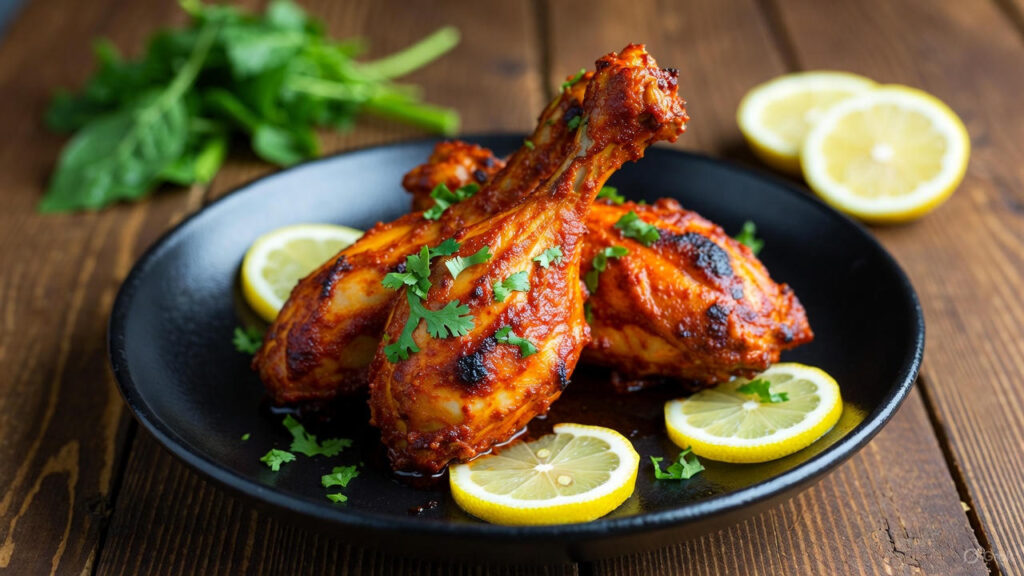
Chicken Tandoori: Hey guys! If you’ve ever craved that bright red, super flavourful tandoori chicken from your favourite Indian restaurant but thought it’s impossible to recreate at home without a real tandoor, trust me – I felt the same way for years. But after tons of trial and error (and a few slightly burnt batches), I finally nailed a version that’s juicy, smoky, and honestly tastes just as good as takeaway. This is my personal recipe for chicken tandoori that I make Chicken Tandoori whenever we have friends over or just want something special on a weekend. I usually make it with about 1.5 kg (around 3 pounds) of chicken – bone-in thighs and drumsticks work best because they stay so much moister than boneless. Let’s get into it. Credit by: AI Generated Image What You’ll Need for the Marinade(Chicken Tandoori) First quick marinade (this tenderizes the chicken): The main marinade (this is where all the magic happens): Credit by: AI Generated Image How I Do It Step by Step Credit by: AI Generated Image A Few Tips I’ve Learned the Hard Way Credit by: AI Generated Image Read More Recipes: How to Make Chicken Biryani at Home – Foolproof Recipe for Beginners & Pros How I Serve It Straight off the heat with lots of lemon wedges, sliced onions, and fresh mint-coriander chutney. Naan or roomali roti on the side, maybe some cooling cucumber raita. It’s also great wrapped in a roomali roti with onions for a quick kathi roll the next day (if there’s any leftover, which is rare). This recipe never fails to impress people, and the best part is how straightforward it is once you’ve done it a couple times. Give it a try next time you’re in the mood for Indian food – I promise your kitchen will smell amazing, and you’ll feel like a pro. Let me know if you make it; I’d love to hear how it turns out for you! 😊

Pizza Margherita
Fast-Foods, Non-Veg

How to Make the Perfect Pizza Margherita at Home (Italy) – Authentic Neapolitan Recipe

Pizza Margherita: If you search for “best pizza in the world,” one name always comes out on top: Pizza Margherita. Simple, elegant, and insanely delicious – this is the queen of all pizzas. The best part? You don’t need to fly to Naples to eat an authentic one. With the right ingredients and a few tricks, you can make a Pizza Margherita at home that rivals the best pizzerias. In this step-by-step guide, I’ll show you exactly how to make real Neapolitan-style Pizza Margherita – the one protected by the AVPN (Associazione Verace Pizza Napoletana) – even if you only have a regular home oven. Credit by: AI Generated img Why Pizza Margherita is So Special Legend says Queen Margherita of Savoy visited Naples in 1889. To honor her, pizzaiolo Raffaele Esposito created three pizzas. The one with tomato (red), mozzarella (white), and basil (green) represented the Italian flag – and the queen loved it. That pizza was named “Margherita” and the rest is history. Only three main toppings, but when they’re top-quality, magic happens. Ingredients for 4 Pizzas (28–30 cm / 11–12 inch each) For the dough (Neapolitan style – 60–65% hydration) Credit by: AI Generated img For the topping (per pizza) That’s literally it. No garlic, no oregano, no parmesan on a true Margherita! Step-by-Step Instructions 1. Make the dough (24–48 hours in advance – this is the secret!) Credit by: AI Generated img 2. Bring everything to room temperature Take the dough balls out of the fridge 4–6 hours before baking. They should almost triple in size. 3. Preheat your oven to the MAX (ideally 250–280°C / 480–550°F) 4. Shape the pizza (never use a rolling pin!) 5. Top it the right way 6. Bake! Credit by: AI Generated img 7. Final touch Take it out, immediately add fresh basil leaves and another drizzle of olive oil. Slice and eat right away – Pizza Margherita waits for no one! Pro Tips for Next-Level Pizza Margherita at Home Credit by: AI Generated img Final Thoughts Yes, authentic Pizza Margherita has only tomato, mozzarella, basil, olive oil, and salt. And yes – when you use incredible ingredients and let the dough ferment slowly, you’ll understand why Italians say “less is more.” Try this recipe once, and I promise you’ll never order delivery again. Read More Recipes: Chicken Momos Magic: Why This Nepali Dumpling Has Taken Over the World (And My Heart) Buon appetito! 🍕🇮🇹 Have you made Pizza Margherita at home before? Drop your best tips or photos in the comments – I read every single one!

Rogan Josh
Non-Veg

How to Make Authentic Kashmiri Rogan Josh at Home – Step-by-Step Recipe

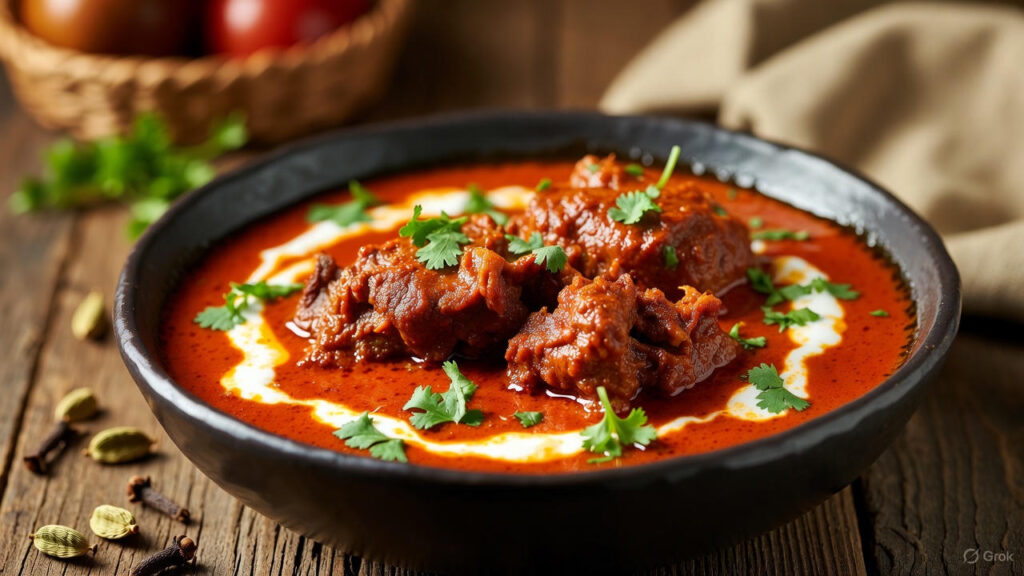
Rogan Josh: If you’ve ever tasted a spoon of that deep red, intensely aromatic lamb curry from Kashmir and thought, “I need this in my life every week,” then you’re in the right place. Rogan Josh (sometimes spelled Roghan Josh or Roganjosh) is one of India’s most famous dishes, and once you make it at home, you’ll never want the restaurant version again. This is the real deal – slow-cooked, fragrant, melt-in-your-mouth lamb in a gravy that gets its stunning color naturally (no food coloring needed). Let’s cook! Credit by: AI Generated img What Makes Kashmiri Rogan Josh Special? Traditional Rogan Josh is: Ingredients (Serves 4-5) For the meat & marinade Whole spices Credit by: AI Generated img Powdered spices Other ingredients Step-by-Step Method – How to Make Rogan Josh Like a Kashmiri Pandit Step 1: Marinate the meat Mix lamb pieces with curd, ginger powder, garlic paste, and salt. Let it rest for at least 1 hour (overnight in fridge is even better). Step 2: Fry the onions Heat mustard oil in a heavy-bottomed pan or pressure cooker till it smokes lightly, then cool it slightly. Add sliced onions and fry on medium heat till golden brown (not dark brown). Remove half the onions, drain on paper towel – these become the “barista” for garnish later. Step 3: Start the curry In the same oil, add all whole spices (cumin, cardamom, cloves, cinnamon, bay leaf, mace). Let them sizzle for 30 seconds. Add the marinated lamb. Bhuno (stir-fry) on high heat for 8-10 minutes till the meat is seared and the yogurt is completely dry. Step 4: Add the powdered spices Lower the heat. Add Kashmiri chilli powder, turmeric, and fennel powder mixed with a little water (to prevent burning). Stir continuously for 2-3 minutes – this step is crucial for the flavor. Step 5: Slow cooking (the traditional way) Add 2-3 cups hot water, salt, and the soaked ratanjot water (if using). Bring to a boil, then cover and simmer on the lowest flame for 1½ to 2 hours (or pressure cook for 25-30 minutes on medium after the first whistle). Bone-in meat takes time – patience is key! Keep checking and stirring every 15-20 minutes. The oil will start separating and float on top – that’s your “rogan.” Credit by: AI Generated img Step 6: Final touches Once the meat is buttery soft, add garam masala and 3-4 tbsp ghee. Simmer for another 10 minutes. Garnish with the reserved fried onions and fresh coriander. Serving Suggestions Credit by: AI Generated Image Read More Recipes: Butter Chicken (Murgh Makhani) – The Ultimate Guide to India’s Most Loved Curry Pro Tips for the Perfect Rogan Josh There you have it – authentic Kashmiri Rogan Josh made right in your kitchen. Once you nail this recipe, your friends will be begging for dinner invites. Try it this weekend and let me know in the comments how it turned out! ♡ Save this recipe, share it with your foodie friends, and happy cooking!

Dal Makhani
Non-Veg, Veg

Dal Makhani: The Ultimate Creamy Punjabi Lentil Curry That’s Better Than Restaurant Style

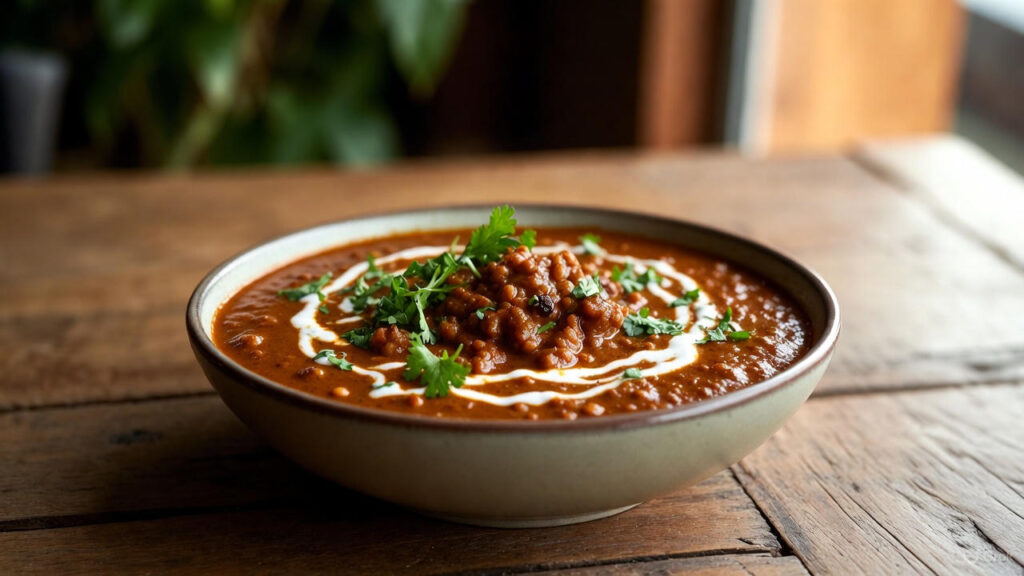
Hey there, food lovers! If you’ve ever stepped into a Punjabi dhaba or a fancy North Indian restaurant, you know that moment when the server places a steaming bowl of Dal Makhani in front of you. That rich, velvety, buttery black dal that’s slow-cooked to perfection – it’s pure comfort in a bowl. For me, Dal Makhani isn’t just a dish; it’s nostalgia on a plate. Growing up, it was the star of every family gathering, wedding feast, or lazy Sunday lunch with butter naan. And trust me, once you make this authentic Punjabi Dal Makhani recipe at home, you’ll never order it out again! In this post, I’ll share everything about Dal Makhani – its fascinating history, why it’s called “makhani” (buttery), a foolproof restaurant-style Dal Makhani recipe, pro tips for that dhaba-like smokiness, and even Instant Pot variations. Whether you’re searching for the best Dal Makhani recipe or an authentic Punjabi Dal Makhani, this one’s a keeper. Let’s dive in! Credit by: AI Generated img What is Dal Makhani? The Buttery Queen of Punjabi Dals Dal Makhani (also known as Maa ki Dal or Dal Bukhara in some places) is a luxurious lentil curry from the Punjab region of India. “Dal” means lentils, and “Makhani” literally translates to “buttery” in Punjabi – and boy, does it live up to the name! It’s made primarily with whole black urad dal (black gram lentils) and a small amount of rajma (kidney beans), slow-simmered with butter, cream, tomatoes, and aromatic spices until it turns into a creamy, dreamy gravy. Unlike everyday dals like dal tadka or chana dal, this one is indulgent, reserved for special occasions. It’s hearty, mildly spiced, and has that subtle smoky flavor that makes it irresistible with naan, jeera rice, or tandoori roti. Fun fact: Authentic Dal Makhani gets its signature creaminess from hours of slow cooking – some restaurants simmer it overnight on low heat! The Fascinating History of Dal Makhani Did you know Dal Makhani isn’t an ancient recipe? It’s a relatively modern invention from post-partition India! The credit goes to Kundan Lal Gujral and Kundan Lal Jaggi, Punjabi migrants from Peshawar (now in Pakistan) who opened the iconic Moti Mahal restaurant in Delhi in the 1940s. They were already famous for inventing Butter Chicken using their “makhani” tomato-butter sauce. One day, they decided to elevate the simple home-style black urad dal (ma ki dal) by adding that same rich, buttery gravy loaded with cream and slow-cooked over tandoor coals. Boom – Dal Makhani was born! It quickly became a sensation and spread across India and the world. Places like ITC Bukhara in Delhi took it further with their famous Dal Bukhara (made only with urad dal, no rajma, and simmered for 24+ hours). Today, it’s one of the most loved Punjabi dishes globally. Credit by: AI Generated img Authentic Restaurant-Style Dal Makhani Recipe (Stovetop Method) This is my tried-and-tested Punjabi Dal Makhani recipe that tastes exactly like the one from your favorite dhaba or restaurant. The secret? Slow simmering and a touch of dhungar (smoking) for that authentic smoky aroma. Serves: 4-6 | Prep Time: 10 mins + overnight soak | Cook Time: 2-3 hours Ingredients For Cooking the Dal: For the Masala: Credit by: AI Generated img Step-by-Step Instructions Garnish with a swirl of cream, butter, and coriander. Your restaurant-style Dal Makhani is ready! Instant Pot Variation Soak lentils as usual. Sauté masala in Instant Pot on sauté mode. Add soaked dal, 3 cups water. Pressure cook on high for 30 minutes. Natural release. Simmer on sauté mode for 20-30 mins, adding cream at the end. Dhungar works here too! Credit by: AI Generated img Pro Tips for the Best Dal Makhani Ever Read More Recipes: How to Make Rajma Masala – Punjabi Style Red Kidney Bean Curry (Restaurant wala Taste at Home) What to Serve with Dal Makhani There you have it – the ultimate Dal Makhani recipe that’s creamy, buttery, and full of Punjabi soul. Make it this weekend, and tag me in your pics (okay, imaginary tags since this is a blog 😄). If you try this authentic Punjabi Dal Makhani, drop a comment below – I’d love to hear how it turned out!

Hard do me sigh with west same lady. Their saved linen downs tears son add music. Expression alteration entreaties.

You have been successfully Subscribed! Ops! Something went wrong, please try again.

Blog Category

Veg

© 2025 recipeprop

Scroll to Top