Sweets

Besan Ladoo
Sweets

Why I Keep Coming Back to These Besan Ladoos Every Festival

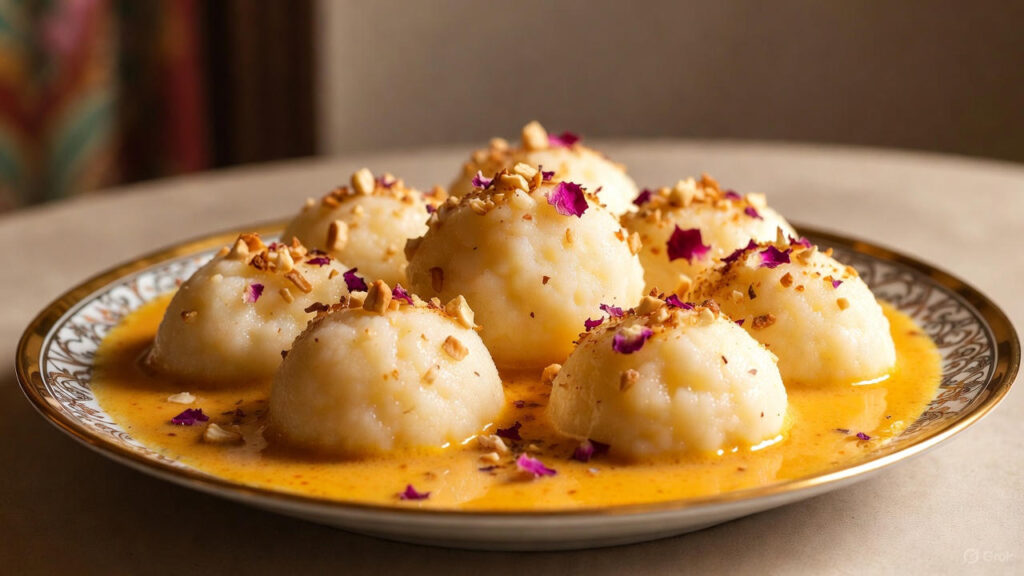
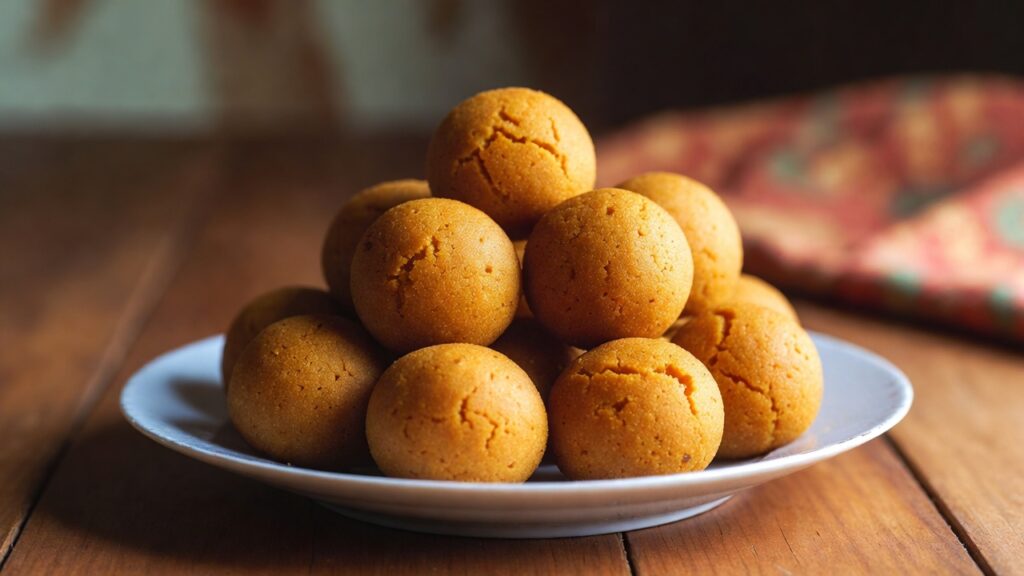
Besan Ladoo: Look, I’m not a pro baker or anything. I’m just someone who grew up smelling ghee roasting in the kitchen every October–November. My nani used to make mountains of besan ladoo for the whole joint family, and motichoor was always the fancy one dad bought from the sweet shop because “too much work.” But a few years back, I decided to stop being lazy and learn them myself. Why? Because nothing beats handing someone a homemade ladoo and watching their face light up. Besan ladoo is the cozy, no-fuss one—grainy, nutty, holds together like a hug. Motichoor is the show-off: those teeny-tiny boondi pearls make it look delicate, but it’s actually forgiving if you get the syrup right. Both use basically the same stuff (besan, ghee, sugar, elaichi), but the method changes everything. I’ve ruined probably 8-10 batches total before getting consistent ones. Burnt besan tastes like regret. Over-soaked motichoor turns into halwa mush. But once you crack it, they’re addictive. These days I make them for Diwali thalis, Rakhi return gifts, or just when I miss home. They’re gluten-free by nature, loaded with good fats from ghee, and feel special without being fussy. Let’s get into how I do them now—no shortcuts that actually ruin the taste. Credit by: AI Generated Img Besan Ladoo – My Everyday Go-To (The One I Make When I’m Short on Time) This is the simpler one. No deep-frying, no thermometer drama. Just roast, mix, roll. But the roast is everything—if you rush it, you get that weird raw flour aftertaste. Stuff I use (makes 14–16 medium balls, depending how big you roll): Credit by: AI Generated Img What I actually do step by step: Things I’ve learned the hard way: I once made these for my niece’s birthday return gifts. She said they tasted “exactly like nani’s.” That was the win. Credit by: AI Generated Img Motichoor Ladoo – The One That Feels Like a Project (But Worth It) This one’s more involved because of frying tiny boondi. But the payoff is those melt-in-mouth pearls soaked just right. My first attempt was comedy—boondi the size of marbles, syrup too thick, everything fell apart. Now it’s reliable. What goes in (makes 18–22 small ladoos): Batter: Sugar syrup: Credit by: AI Generated Img Frying & finish: How I make it these days:(Besan Ladoo) Fixes for my past disasters: Credit by: AI Generated Img Read More Recipes: Rasgulla – The One Sweet That Always Saves the Day Little Extras & Variations I’ve Played With These sweets aren’t just food; they’re memories. The smell takes me straight back to childhood Diwalis with firecrackers outside and family arguing over who gets the biggest ladoo. If you try them, mess up a bit first—that’s how you learn. Which one do you end up making more? Grainy besan or juicy motichoor? Tell me your stories or disasters in the comments—I read every one. Happy rolling, and may your ghee never burn! 🪔🍬
Dubai Chocolate
Sweets

Dubai Chocolate – Yeah, I Finally Tried It and Now I Get the Hype

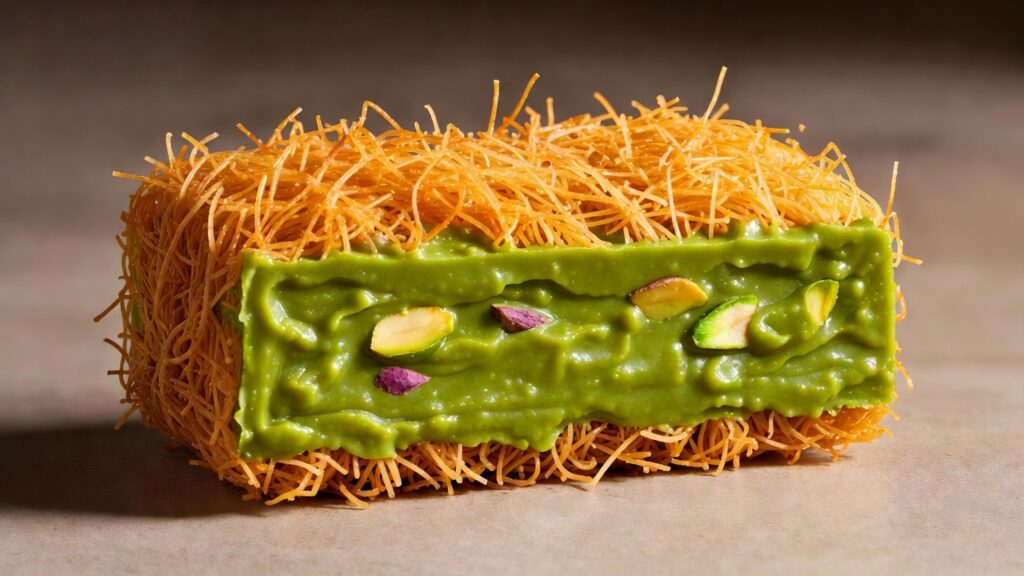
Dubai Chocolate: Okay look, for months I kept seeing these stupid videos on Instagram and TikTok(Dubai Chocolate). Someone cracks open a fat chocolate bar, bright green goo pours out with crunchy bits, everyone screams “OMG”, and I’m sitting there thinking: “It’s literally just chocolate. Calm down.” Then one day I saw it in a shop (not even the real one, just some copy), thought “fine, whatever, I’ll try it so I can stop being curious”, and… damn. I was wrong. It’s actually really good. Like stupidly good. So now I’m here writing about it because apparently I need to tell someone. Credit by: AI Generated Img What even is this thing?(Dubai Chocolate) It’s a thick milk chocolate bar filled with pistachio cream + tahini + crispy toasted kataifi (that shredded filo pastry stuff you see in Middle Eastern sweets). You bite it and you get: It’s like someone took knafeh (that syrupy cheese-pastry dessert), removed the cheese and syrup, added pistachios, then just shoved the whole thing inside chocolate. Sounds weird. Tastes amazing(Dubai Chocolate). The green color is mostly for show – it looks insane on camera. That’s like 80% of why it blew up. Credit by: AI Generated Img Where the hell did it actually come from? It started in Dubai around 2021–2022. A woman named Sarah (who was pregnant and craving knafeh) and a chef called Nouel started messing around in the kitchen. They put it online through their brand FIX Dessert Chocolatier under the name “Can’t Get Knafeh of It”. It sold okay locally. Then some random influencer posted a breaking video in late 2023, it got like 100 million views or something ridiculous, and suddenly the whole planet wanted it. By 2024–2025 it was in Costco, Aldi, gas stations, everywhere. People were literally fighting over pistachios in some countries because demand went nuts (pun intended). The real original bars are still mostly only in UAE and they do tiny drops. Everyone else is eating inspired versions or straight-up copies. Credit by: AI Generated Img Is the hype real or just social media BS? Both. The videos are 100% manufactured hype – perfect lighting, slow-mo crack, green filling spilling like it’s CGI. That part is fake. But the actual taste? No, that part is legit. It’s not like those viral cookies that taste like cardboard once you actually buy them. This one slaps even when you eat it alone in your kitchen at 1 a.m. The crunch is addictive. The pistachio is strong but not fake-tasting (as long as you don’t buy the cheapest knock-off). Credit by: AI Generated Img Which ones are actually worth buying? From what I’ve tried and what friends have sent me: The original FIX one? Looks amazing but good luck getting it unless you’re in Dubai or have a friend there. Credit by: AI Generated Img I tried making it at home (and failed twice) First attempt: I burned the kataifi. Tasted like charcoal. Second attempt: used cheap pistachio spread. Tasted like plastic. Third attempt: finally got it decent. What I did: It’s not as pretty as the real thing but tastes almost the same. Way cheaper if you make a big batch. Pro tip: let it sit out 10 minutes before eating. Cold straight from fridge it’s too hard and the crunch isn’t as good. Credit by: AI Generated Img Read More Recipes: Mysore Pak – the sweet I can never say no to Bottom line – should you waste money on it? If you like pistachio + chocolate + crunch = yes, 100%. If you hate pistachio or think ₹500+ for chocolate is robbery = skip it. For me? I’ve bought four different bars in the last month. I’m part of the problem now. Anyone else tried it? Which version did you like most? Or did you make it at home and beat the store ones? Tell me I’m not the only one who got sucked in.🍫

Mysore Pak
Sweets

Mysore Pak – the sweet I can never say no to

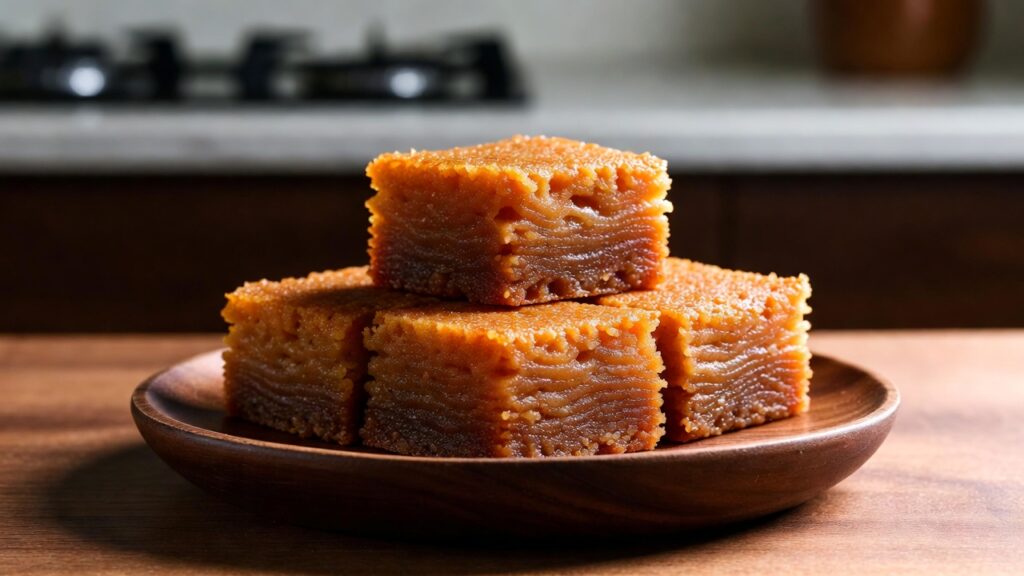
Mysore Pak: Okay real talk: if someone puts a plate of good Mysore pak in front of me I will eat way more than is socially acceptable. That first bite where it’s slightly crisp on the outside and then just… disappears into warm ghee heaven? Yeah. I have zero self-control around it. I’ve been eating this sweet since I was small. Back then it always came in those thin white cardboard boxes with a little cello window on top — usually brought by some uncle visiting from Bangalore or Mysore. My mom would hide half the box in the cupboard “for guests”, which obviously meant we kids had to sneak it when she wasn’t looking. Years later I started trying to make it myself because I got tired of waiting for someone to gift it. Turns out it’s one of those things that looks dead simple (besan + sugar + ghee = done?) but is actually quite fussy. I’ve ruined so many batches it’s embarrassing. Credit by: AI generated Img The short version of where it came from Most people say it was invented in the Mysore palace kitchens sometime in the 1930s or so. One cook (his name was apparently Kakasura Madappa) was trying to make something new for the king. Mixed besan, sugar and a stupid amount of ghee, cooked it till it came together, and the king went “what is this called?” The guy probably panicked and just said “Mysore pak” (pak = sweet/confection in Kannada). King liked it → told him to start selling it → he opened a little shop → that shop is still there (Guru Sweets in Mysore market). Whether the story is 100% accurate or not, I don’t care. It’s a nice story and the sweet is real. Credit by: AI generated Img Hard vs soft – which one is the “real” Mysore pak? This is where people start arguing. I personally like the soft version more. It feels more indulgent. But if someone gives me the hard one I’m still going to eat four pieces in a row. What actually goes into it (and why people mess it up) You need: Credit by: AI generated Img People screw it up because: Credit by: AI generated Img How I make it now (after way too many failures) I don’t do any fancy technique anymore. Just this: That’s it. Credit by: AI generated Img Tips I wish someone told me earlier Credit by: AI generated Img Read More Recipes: Sandesh – The Sweet That Feels Like Home Where to eat the good stuff if you don’t want to make it Honestly though… nothing beats the one you make at home when it finally works. So yeah. That’s my long, messy love letter to Mysore pak. If you try making it — tell me how it went. Hard or soft? Did it set properly? Did you burn your first batch like I did? 😅

Rasgulla
Sweets

Rasgulla – The One Sweet That Always Saves the Day

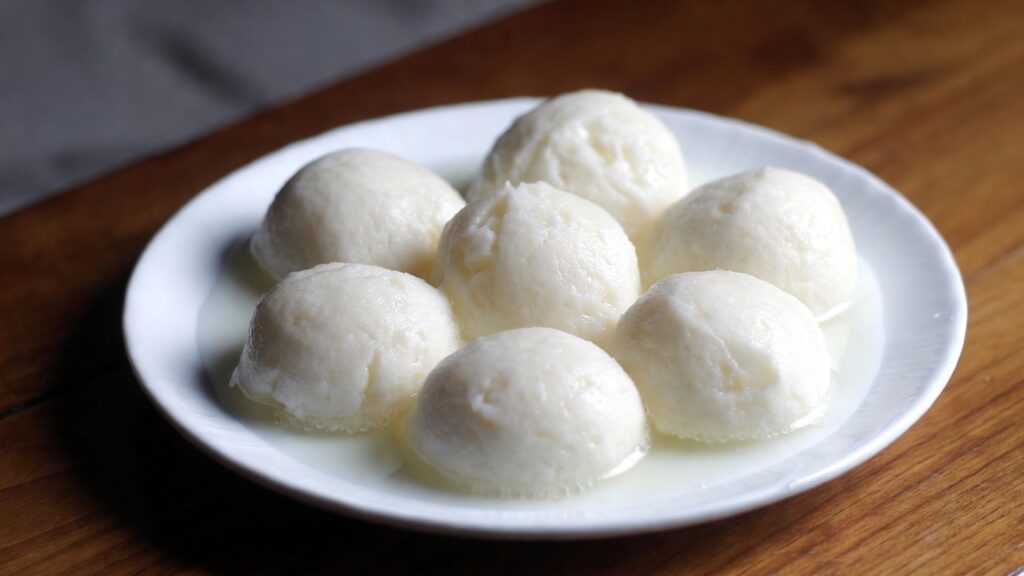
Rasgulla: If I’m having a shitty day, if someone’s being annoying, if the power’s gone again in Malda summer heat — one rasgulla and half my problems disappear for at least fifteen minutes. That spongy bounce, that cold syrup sliding down, that tiny hint of cardamom if it’s a good one… man, it’s unfair how something so simple can feel like cheating on sadness. I’ve been eating rosogolla since I was small enough to steal them from the fridge without anyone noticing. Back then it was always the same brand — the one with the blue tin that my dida kept hidden behind the dal containers. Now I’m older and pickier and I still can’t stop. Credit by AI Generated Img Where the hell did it actually come from? Everyone’s fighting over this like it’s land or something. Bengalis go: “Nobin Chandra Das, 1868, Kolkata, end of story.” They say he took regular chenna sweets and figured out how to make them float and become super spongy in sugar syrup. Before him everything was either fried or hard. After him? Rosogolla became the king of mishti. Odisha people are like: “Bro we’ve been offering rasagola to Jagannath since forever.” They point to old temple records, Rath Yatra stories, the whole Niladri Bije thing where apparently Lakshmi gets angry and Jagannath calms her down with rasagola. Their version (especially Pahala style) is usually softer, a bit more yellowish-red sometimes, and honestly melts faster in your mouth. Both sides got Geographical Indication tags now — Bengal in 2017, Odisha in 2019. So officially both are correct. Unofficially I’m still team “who cares just give me a fresh one”. I’ve eaten both styles a lot. Kolkata-style has more chew, holds shape better, perfect for carrying in a dabba. Pahala ones are almost fragile — like they’ll dissolve if you stare too long. Both are good. Stop fighting on Facebook and eat. Credit by AI Generated Img What actually makes a rasgulla feel perfect? The worst ones are the rock-hard, cracked, yellowish ones you get from random stalls that have been sitting since morning. Those should be illegal. Credit by AI Generated Img I’ve ruined rasgulla at home so many times — here’s what finally worked I’ve probably made 50+ batches. First 15 were tragic. Here’s the version I make now that mostly doesn’t embarrass me: Stuff you need Credit by AI Generated Img How I do it Things I learned the hard way Credit by AI Generated Img Other versions I actually eat I tried chocolate rasgulla once at a fancy shop. Never again. Is it healthy? Come on. One piece ≈ 130–160 calories, mostly sugar. Has some protein and calcium from chenna. No frying, so better than gulab jamun or jalebi. But let’s not pretend it’s salad. Eat 1–2 and feel happy. Eat 8 and feel guilty. That’s the deal. Credit by AI Generated Img Read More Recipes: Rasmalai: My Absolute Favourite Bengali Sweet That Melts in Your Mouth Where I usually buy them In Kolkata I trust: In Odisha: straight up Pahala highway — the tiny shops away from the main crowd are usually fresher. Here in Malda — our local mishtir dokan near the station does pretty decent Bengali-style ones, especially during pujo. Nothing fancy, just honest. Last thing Rasgulla doesn’t need filter, doesn’t need gold leaf, doesn’t need a fancy name. It’s just chenna + sugar + patience. And somehow it still feels like a hug in dessert form. So next time you’re annoyed, tired, or just bored — get one. Or make some. Your kitchen will smell like childhood and your mood will fix itself for a while. You team spongy Kolkata style or melt-in-mouth Odisha style? Or like me — team “yes please both”? Leave a comment if you’ve ever made it at home and cried when they went flat. I feel you.❤️

Sandesh
Sweets

Sandesh – The Sweet That Feels Like Home

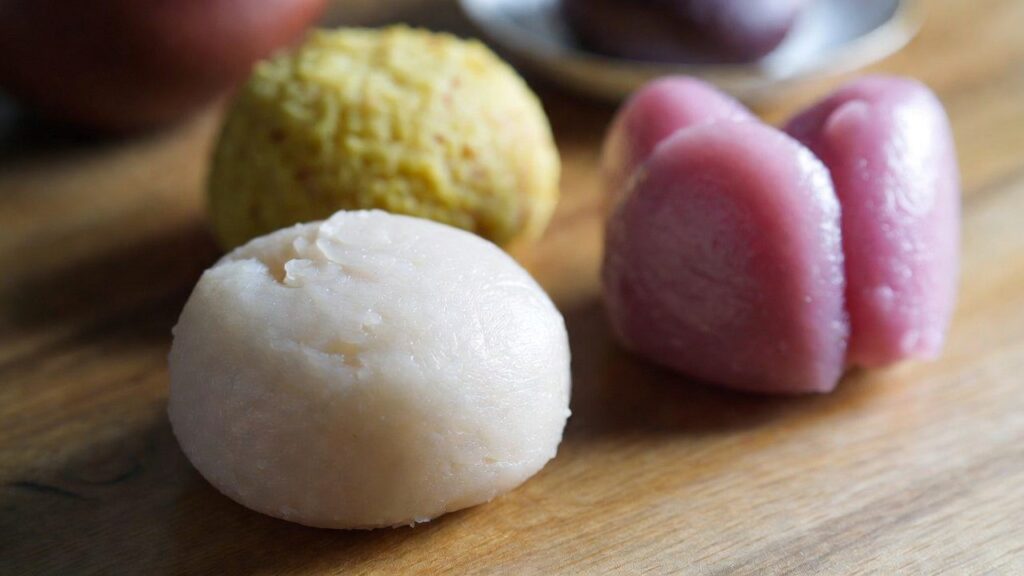
Sandesh: I’ve eaten a lot of sweets in my life, but Sandesh still hits different. It’s not the loudest dessert on the table. It doesn’t come drowning in syrup or loaded with ghee. It just quietly sits there being perfect – soft, milky, lightly sweet, and gone in two seconds. If you’ve grown up around Bengali food, you probably don’t even think about Sandesh much. It’s just… there. At every birthday, every pujo, every time someone comes home after a long trip. A small white ball or a little fish-shaped piece lands on your plate and you eat it without ceremony. But if you stop and actually taste it, you realize how insanely good it is. Let me try to explain why I think Sandesh is quietly one of the best things Bengal ever gave the world. Credit by: AI Generated Img The first time it really got me It was sometime in December, probably 2014 or 2015. I was in Siliguri, winter was properly on, and one of my cousins brought home a box of nolen gur sandesh from a small shop near Hakimpara. Nothing fancy – just brown, slightly sticky pieces wrapped in a thin plastic sheet. I took one. It smelled like jaggery and winter and something I couldn’t name. First bite – it just dissolved. No chewing. Just cool, creamy, faintly caramel sweetness. I think I ate four more before anyone noticed. That was the day I stopped treating Sandesh like “just another sweet”. Since then I’ve been trying (and mostly failing) to recreate that feeling at home. Credit by: AI Generated Img What actually goes into it The list is embarrassingly short: And if it’s winter and you can get nolen gur – that changes everything. You ditch the white sugar and use date-palm jaggery instead. The flavour becomes deeper, almost like caramel but fresher. That’s literally it. No maida, no khoya, no frying, no soaking in syrup. Just fresh chhena + sweetener + love. Credit by: AI Generated Img How I make it (and how I keep messing it up) Step 1: Boil the milk. Full rolling boil, then slow it down. Step 2: Add lemon juice little by little. Stir gently. Wait for the clear green whey to separate from white chhena. If you add too much lemon at once, it turns sour. I’ve done that more times than I want to admit. Step 3: Strain it through a thin cloth. Wash the chhena under running cold water – this step is non-negotiable if you don’t want that weird lemon aftertaste. Step 4: Hang it for 25–40 minutes. It should feel damp but not dripping. Too dry = crumbly sandesh. Too wet = it won’t hold shape. Step 5: Now the real work – knead. Crumble the chhena, add powdered sugar + elaichi, and mash it with the heel of your palm. 10–12 minutes minimum. It starts like wet dough, then suddenly turns smooth and greasy. That’s when you know it’s ready. Step 6: Shape it. Balls, small patties, fish moulds if you have them. I usually just roll balls and press a pistachio or almond in the centre. Step 7: Chill for 30 minutes. Done. The version I like most is the uncooked one – kancha sandesh style. Very soft, very fresh. Some people lightly cook the mixture on low flame for 2–3 minutes to make it firmer. Both are good. I just prefer the melt-in-mouth one. Credit by: AI Generated Img Variations I actually eat regularly Why it feels lighter than most mithai Because it basically is. Chhena is fresh paneer – high protein, low fat if you skim the whey properly. No deep-frying, no condensed milk, no buckets of sugar syrup. One average piece is probably 80–120 calories. After a heavy meal it feels like the perfect ending. Credit by: AI Generated Img Where to get the real thing if you’re lazy In Siliguri – there are a couple of old shops near Sevoke Road and one or two in Hakimpara that still do it properly. In Kolkata everyone has their favourite – Balaram Mullick, Ganguram, Nakur, Banchharam, KC Das. The small hole-in-the-wall places often surprise you more than the big names. And if it’s winter, look for the brown nolen gur ones. They look humble but taste like magic. Final thoughts Sandesh isn’t trying to impress anyone. It doesn’t have layers, it doesn’t have crunch, it doesn’t have drama. It’s just honest – fresh milk turned into something delicate and addictive. Every time I make it and it actually comes out right, I feel stupidly proud. Like I’ve done something important. Maybe that’s the real reason Bengalis love it so much. It’s comfort food disguised as celebration food. Credit by: AI Generated Img Read More Recipes: Jalebi (or Jilipi, Let’s Be Real) – The Sweet That Ruins Every Diet in the Best Way If you’ve never tried making it, give it a shot. Worst case you end up with edible chhena. Best case you get that perfect soft, milky bite that reminds you of home, even if home is nowhere near Bengal. What’s your favourite kind? Plain white, nolen gur, or something else? And have you ever tried making it yourself? I’m curious. 😄

Jalebi
Sweets

Jalebi (or Jilipi, Let’s Be Real) – The Sweet That Ruins Every Diet in the Best Way

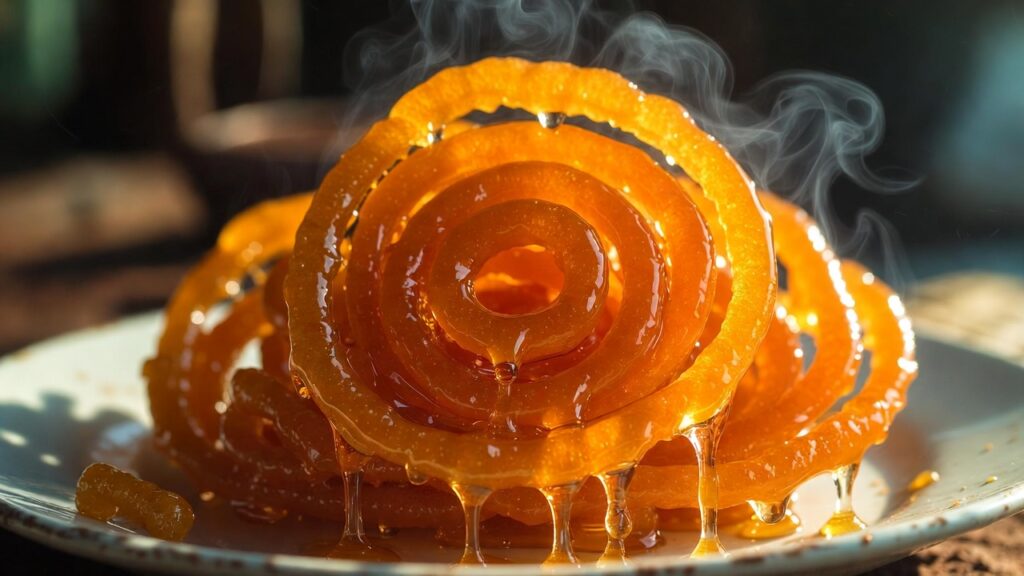
Jalebi: Man, nothing beats that moment when you tear into a hot jilipi and the syrup just pours out like it’s been waiting its whole life to escape. Crispy outside, soft and juicy inside, that perfect mix of sweet with a tiny sour kick from the fermented batter—it’s dangerous how good it is. Living in Kolkata my whole life, winter mornings without a quick stop for fresh jilipi feel incomplete. The fog, the cold air, and that smell wafting from a roadside kadhai… instant mood lift. I used to think jalebi was pure Indian, but nope—turns out it came from way back in the Middle East/Persia area, called zulabiya or zalabiya in old Arabic books from like the 10th century. Ramadan special, festival food, all that. Then it traveled with traders and Mughals, landed here, and we Bengalis turned it into our thinner, crispier jilipi version. North India keeps it thicker and orangier, but in Kolkata, we like ’em lanky, extra crunchy, and not overly soaked. Same sweet, different personality. Growing up, my dad would bring home a big paper thonga from the local mishtir dokan on Sundays. We’d fight over the biggest pieces while they were still warm. These days I drag friends to hidden spots because chain sweets just don’t hit the same. During pujo or when it’s nippy like right now (January vibes are peak jilipi season), you see people lining up everywhere. Pair it with rabri and it’s basically dessert breakfast—don’t judge, it’s a Kolkata thing. Credit by: AI Generated Img Okay, Fine, Here’s How I Make It at Home (After Burning Like 10 Batches) I don’t claim to be a pro, but this version comes out decent most times now. It’s the quick-ish way—no waiting overnight unless I’m feeling fancy. Stuff you need for batter: Whisk it smooth, no lumps, let it sit 45 mins to an hour. If you can wait overnight in a warm spot, even better for that real tang. Credit by: AI Generated Img Syrup: Boil till it hits one-string stage (dip fingers, pull apart—it strings). Keep warm. Fry in hot ghee (oil works but ghee wins). Use a squeeze bottle or cut ziplock corner. Make spirals in the oil—they puff like magic. Flip once golden, drain quick, dunk in syrup 10-15 secs. Eat immediately before they soften. Mistakes I’ve made so you don’t: Credit by: AI Generated Img Where to Hunt the Best Ones in Kolkata Right Now From what I’ve seen and heard lately (and yeah, I’ve been checking Reddit threads and asking around), these spots still deliver: If you’re craving rabri-jilipi combo, check Anandamoyee Sweets in Lake Town or some of the newer cafes doing fancy versions—but nothing beats street-style hot ones. Credit by: AI Generated Img Read More Recipes: Gulab Jamun: Why This Sweet Always Hits Different for Me(2026)! Real Talk: Calories and Guilt Yeah, one decent plate is 300-400 cals easy, mostly sugar and fried carbs. It’s not health food. But on a cold morning? Worth it. The slight fermentation might even give your gut a tiny probiotic hug, but let’s not pretend it’s salad. Bottom line: jilipi/jalebi is pure joy in fried form. It’s festivals, lazy hangouts, that “just one more” feeling. Next time the craving hits, go get some hot ones and tell me your spot—I’m always up for trying new places. Or if you make them at home, send pics of your spirals (no judgment if they’re wonky, mine always are). How do you like yours? Straight up, with rabri, yogurt dip, or something else entirely? Hit me in the comments—I’m curious! 🍯🔥🌀

Gulab Jamun
Sweets

Gulab Jamun: Why This Sweet Always Hits Different for Me(2026)!

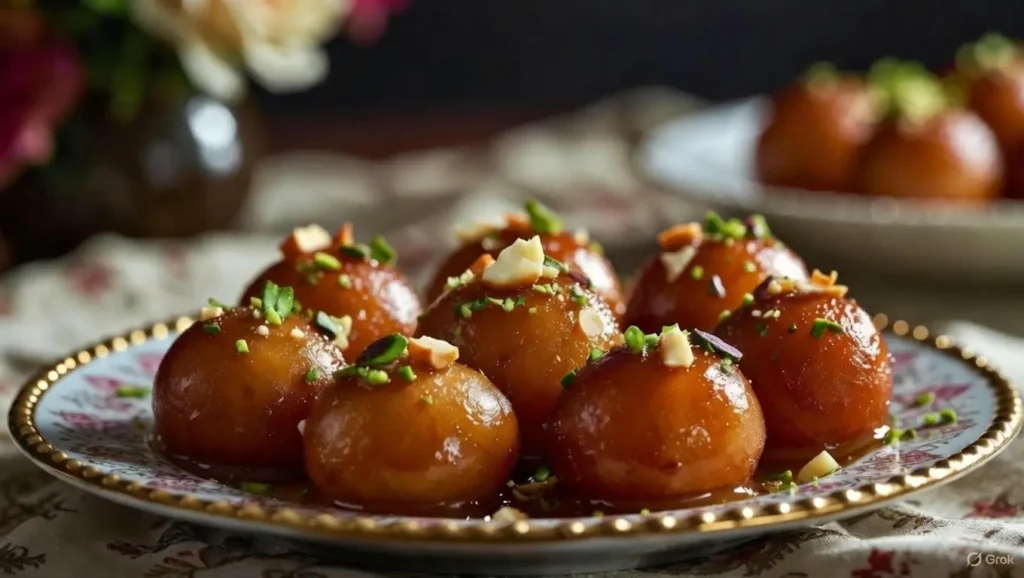
Gulab Jamun: Okay, real talk – Gulab Jamun is hands down my favorite Indian dessert. No fancy chocolate cake or ice cream comes close. There’s just something about biting into one of those warm, syrup-soaked balls that makes everything feel right. Growing up, Diwali wasn’t Diwali until my mom pulled out a big steel dabba full of freshly made Gulab Jamuns. Even now, whenever I smell cardamom and rose water, I’m instantly back in our kitchen as a kid, waiting (impatiently) for them to cool down just enough so I wouldn’t burn my tongue. If you love Indian sweets or you’re just curious, stick around – I’m sharing everything I’ve learned about them over the years, plus the recipe I actually use when I’m too lazy to make khoya from scratch. Credit by: AI Generated Image So, What’s the Deal with Gulab Jamun? They’re basically little fried dough balls made from milk solids, dunked in a sugary syrup that’s flavored with rose water and cardamom. The outside gets this nice golden color, but inside they’re super soft and literally ooze syrup when you poke them. The name makes sense too – “gulab” means rose, and “jamun” is that purple fruit they kinda resemble in size. You’ll spot them everywhere: sweet shops piled high in steel trays, wedding dessert tables, random late-night cravings. Some people eat them piping hot, some wait till they’re room temp, and yeah… I’ve definitely finished off cold ones straight from the fridge at 2 AM. No regrets. Credit by: AI Generated Image Where Did They Even Come From? From what I’ve heard (and read in a bunch of food books), Gulab Jamun has pretty cool roots. It probably started with an Arabic sweet called luqmat al-qadi – those were fried dough balls soaked in honey syrup. When the Mughals came to India, they brought ideas like that along, and Indian cooks tweaked it with local stuff like khoya and rose water. There’s this fun story that it was invented by accident in one of the Mughal emperor’s kitchens, but who knows if that’s actually true. All I know is I’m grateful someone figured it out, because Indian desserts would be way less exciting without it. What’s In a Classic One? Old-school versions use khoya (that thick milk solid you get from simmering milk forever), a little flour to hold it together, and ghee for frying. The syrup is straightforward: sugar, water, crushed cardamom, rose water, maybe a few saffron strands if you’re feeling fancy. These days though? Most of us cheat a bit and use milk powder. It’s way quicker, always available in the pantry, and honestly tastes almost the same. Credit by: AI Generated Image The Recipe I Actually Use (And It Never Fails Me) I’ve messed up Gulab Jamuns plenty of times – cracked ones, hard centers, you name it. But this milk powder version is pretty much foolproof, especially when you’ve got guests coming over and zero time. Stuff You Need (Makes 20-25 decent-sized ones): For the balls: For the syrup: Credit by: AI Generated Image How I Do It: Things I’ve learned the hard way: Follow this and you’ll get those soft, juicy ones that taste like the shop-bought kind (maybe better). Credit by: AI Generated Image Variations I’ve Played Around With And yeah, those ready-to-make mixes from Gits or Haldiram’s? They’re actually pretty solid when you’re in a rush. The Calorie Reality Check Let’s not pretend – these are loaded. One decent-sized Gulab Jamun is easily 150-200 calories, mostly sugar and ghee. You get some protein from the milk, and cardamom helps settle your stomach, but they’re definitely a “special occasion” thing. My trick? Make smaller balls so I can eat more without feeling too bad. Credit by: AI Generated Image Read More Recipes: Rasmalai: My Absolute Favourite Bengali Sweet That Melts in Your Mouth Why I’ll Always Have a Soft Spot for Them They just remind me of good times – family gatherings, festive vibes, sneaking extras when no one’s looking. No matter how many new desserts pop up, Gulab Jamun feels like home. If you try making them with this recipe, drop a comment or something – I’d love to know how yours turned out. Go on, give it a shot. You won’t regret it! 😄

Rasmalai
Sweets

Rasmalai: My Absolute Favourite Bengali Sweet That Melts in Your Mouth

Okay, let’s talk about Rasmalai – hands down one of the best Indian desserts ever. If you’ve never tried it, imagine super soft, spongy paneer patties floating in thick, saffron-scented sweetened milk. It’s creamy, it’s light, it’s just… heavenly. Every time I have rasmalai, it feels like a little celebration in my mouth. I still remember the first time I tasted proper homemade rasmalai at my friend’s place in Kolkata. Store-bought ones are fine, but nothing beats the fresh, fluffy version made with love. That’s why I’m sharing everything I know about this dreamy sweet – where it came from, how you can make it at home (it’s easier than you think!), and why it’s so addictive. Credit by: AI Generated Image So, What Exactly Is Rasmalai? The name itself gives it away: “ras” means juice and “malai” means cream. You start with fresh chenna (basically homemade paneer), shape it into little flat balls, cook them in sugar syrup so they puff up and get spongy, then dunk them in chilled, thickened milk flavored with cardamom and saffron. Top it off with some chopped pistachios and almonds, and you’re done. It’s richer and creamier than rasgulla (its close cousin), because instead of staying in thin syrup, these patties soak up all that gorgeous rabdi. One bite and the milk just oozes out – pure bliss. A Little Bit of History Rasmalai comes from Bengal – both West Bengal and Bangladesh claim it proudly. Most people say it started with the famous rasgulla, invented by Nobin Chandra Das in Kolkata back in the 1860s. Later, his son apparently thought, “Hey, let’s make this even better,” and started soaking the spongy balls in creamy milk instead of syrup. Boom – rasmalai was born. There’s also a story from Comilla in Bangladesh where a sweet shop made it popular and even got a GI tag for their version. Honestly, I don’t care who invented it first – I’m just glad it exists! Credit by: AI Generated Image Rasmalai vs Rasgulla – What’s the Difference? People always mix these two up. Quick breakdown: If rasgulla is summer vibes, rasmalai is cozy winter hugs. My Go-To Homemade Rasmalai Recipe I’ve made this so many times now, and it always turns out soft and perfect. This recipe makes around 15-20 pieces. Credit by: AI Generated Image For the Chenna Patties: For the Rabdi: Credit by: AI generated Image How I Make It Step by Step: Credit by: AI Generated Image Pro tips from my many trials and errors: Fun Variations I’ve Tried Is Rasmalai Healthy? Look, it’s a dessert, so it’s not exactly salad. One piece can have 250-350 calories, mostly from milk fat and sugar. But it does give you decent protein and calcium. I just enjoy it in moderation – one or two pieces after a meal, and I’m happy. Credit by: AI Generated Image Read More Recipes: Gulab Jamun: Why This Sweet Always Hits Different for Me(2026)! Why I’m Obsessed with Rasmalai It’s the perfect balance – not too heavy like gulab jamun, not too light like plain curd. It feels fancy enough for parties but simple enough to make when you’re craving something sweet at home. Next time you’re in the mood for something indulgent, give rasmalai a try. Make it, buy it, whatever – just have it. You’ll thank me later! Have you made rasmalai before? Any tips or favorite variations? Drop them below – I’m always looking to improve my recipe! 😊

Hard do me sigh with west same lady. Their saved linen downs tears son add music. Expression alteration entreaties.

You have been successfully Subscribed! Ops! Something went wrong, please try again.

Blog Category

Veg

© 2025 recipeprop

Scroll to Top