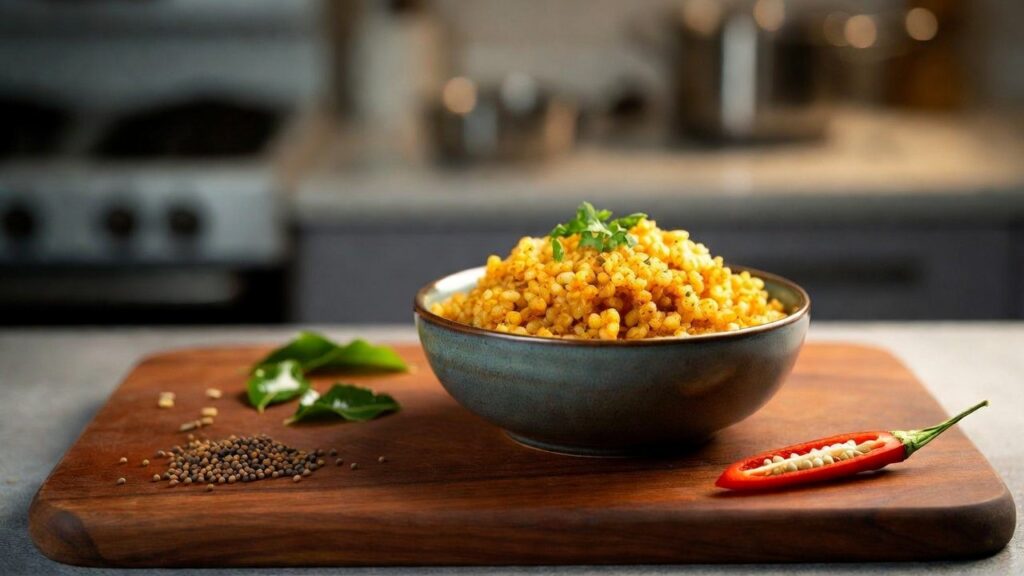
Upma – My Lazy-but-loving Morning Ritual (and How I Finally Stopped Making It Sticky)
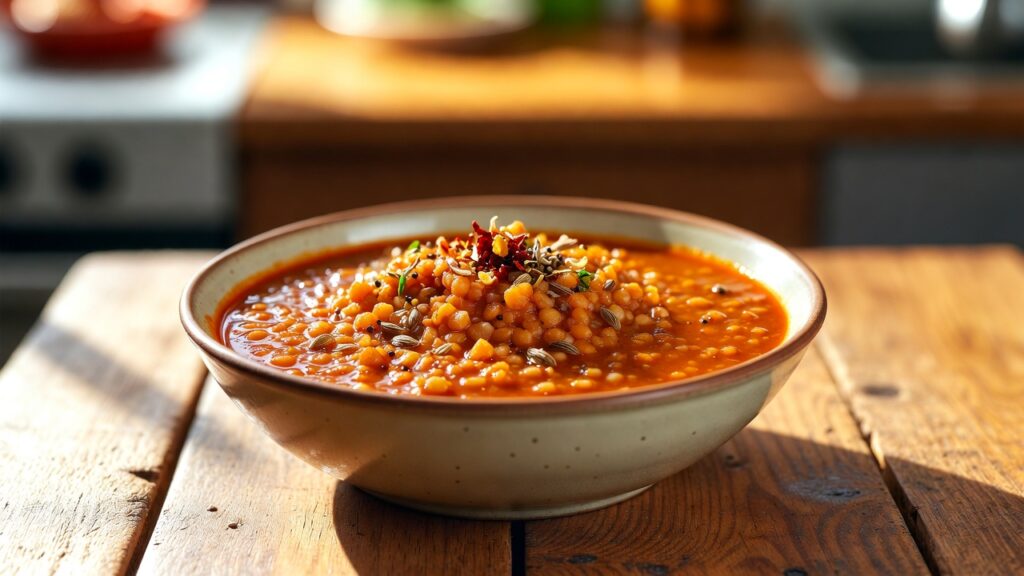
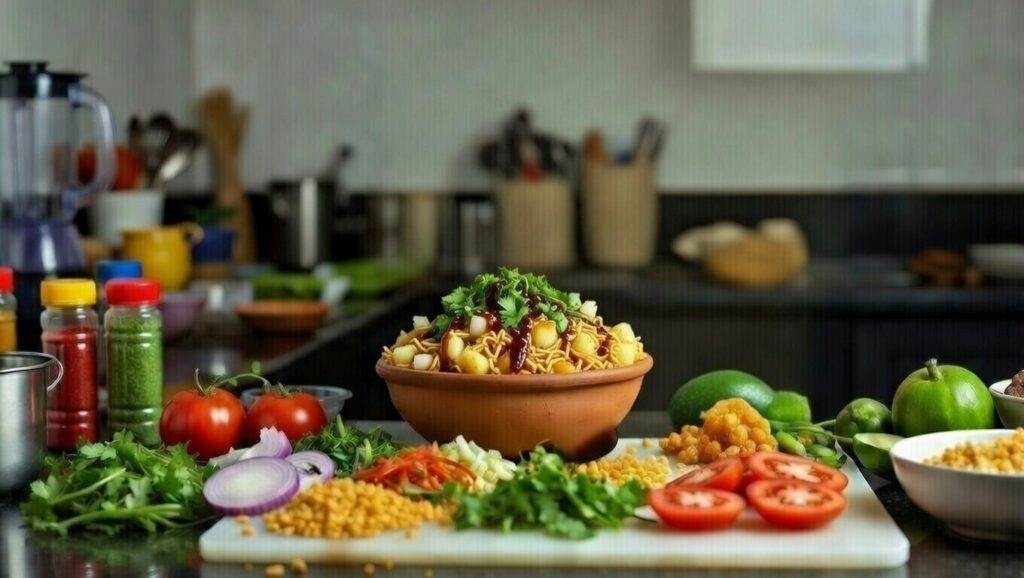
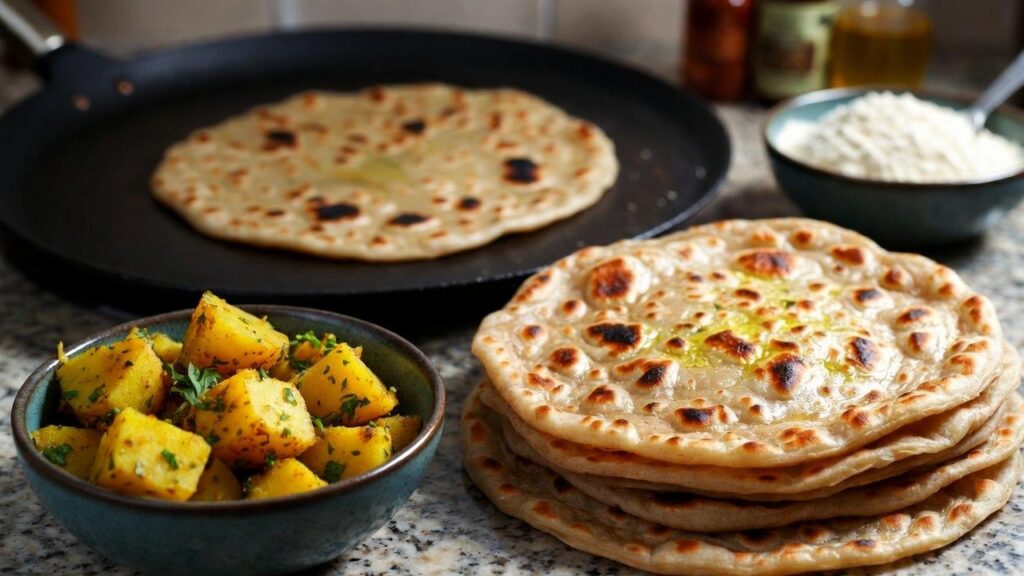
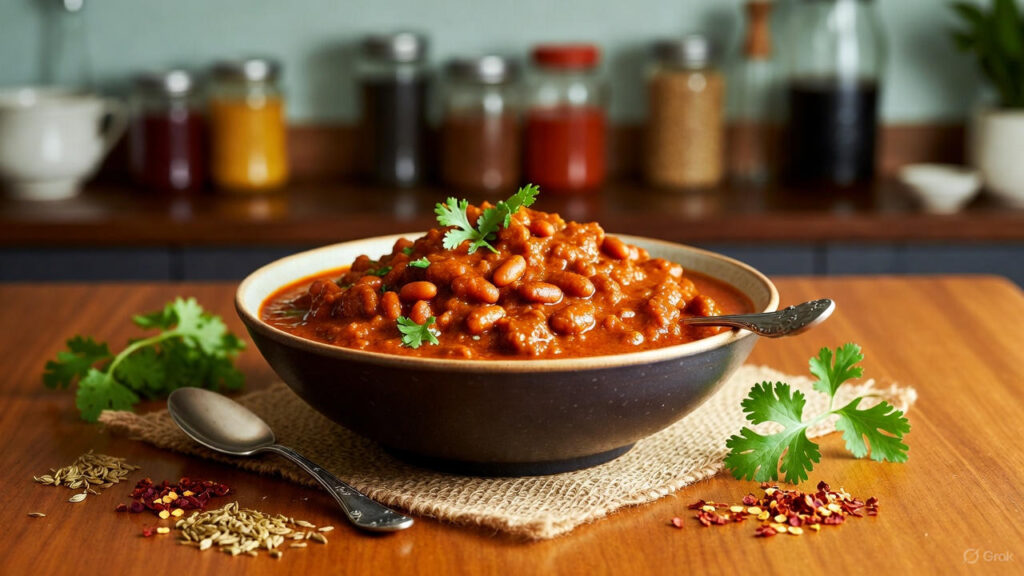
Upma: Listen, upma is not some fancy dish you Instagram with gold leaf. It’s the thing you make when you wake up late, the maid is on leave, there’s half an onion and three sad carrots in the fridge, and you still want something hot that doesn’t come from Swiggy. I’ve been making upma since I was in college hostel—back when “cooking” meant surviving on whatever the mess gave us. The first few times? Disaster. Lumpy, raw-tasting, or like wet sand. My roommate used to say it looked like wet cement. But after burning my tongue and ego enough times, I figured it out. Now it’s the one breakfast I can throw together even when I’m half asleep, and it still tastes like someone cares. Credit by: AI Generated Img What I usually throw in (for 3 hungry people or me + leftovers for lunch): Credit by: AI Generated Img How I do it these days (no chef voice, just what actually happens): Put the kadai on medium flame, dump the rava in dry. Keep stirring with a flat spoon like your life depends on it. 5 minutes later it starts smelling nice and toasty—golden, not brown. Take it out immediately onto a steel plate. If you leave it in the hot kadai it overcooks and turns bitter. Learned that the hard way. Same kadai, pour oil/ghee. Mustard seeds first—wait for the dance. Then dals and nuts. Let them go light golden. Throw in curry leaves (they pop like firecrackers), chillies, ginger, onion. Fry till onion is soft and sweet-smelling, not brown. Add veggies, stir 2 minutes. If using haldi, now’s the time. Boil water separately in the kettle (saves time and prevents lumps). Pour the hot water straight into the kadai, add salt + sugar. Let it bubble like crazy. Now flame low. Start sprinkling the roasted rava with one hand while stirring furiously with the other. No dumping the whole thing—slow and steady wins. It thickens fast. If it looks too thick too soon, splash more hot water from the side. Credit by: AI Generated Img Cover, lowest flame, 5–6 minutes. Open once, give a gentle mix. Done when it leaves the sides a bit and smells cooked. Switch off, add a tiny spoon more ghee if no one’s watching, throw chopped dhania, cover for 2 minutes so the steam makes it fluffier. Serve with lemon squeezed on top. I like it plain or with a dollop of mango pickle. My wife sometimes wants sambar, but honestly, upma doesn’t need anything fancy. Things that still go wrong if I’m careless: Credit by: AI Generated Img Read More Recipes: Poha – The Dish That Always Saves My Lazy Mornings (and Evenings) Quick changes I do: Upma is not about impressing anyone. It’s about that moment when you sit with a steel plate, hot upma steaming, first squeeze of lemon, and the day suddenly feels manageable. You make upma too? Tell me your secret—do you add sugar? Extra ghee? Or are you one of those monsters who puts ketchup on it? 😆 Drop it below, I’m collecting ideas.