
litti chokha: Okay, straight up — if you’ve only had litti chokha from some fancy “North Indian thali” restaurant in Bangalore or Mumbai, you haven’t really had it. The real thing is messy, smoky, slightly burnt in the best way, and drowning in so much ghee that you feel slightly guilty… but only slightly.
I grew up eating this mostly during family trips to villages near Gaya and Patna. My chacha’s wife used to make it outside on a chulha made of mud and cow dung cakes. The littis would roll around in the ashes getting blacker and blacker, and we kids would just stand there waiting, burning our fingers trying to steal one early. That smell — burnt wheat, roasted baingan, raw garlic and mustard oil — is still one of the strongest food memories I have.
These days I make it at home in Kolkata, usually when I’m missing that side of the family or just want something that feels proper and filling without being complicated.
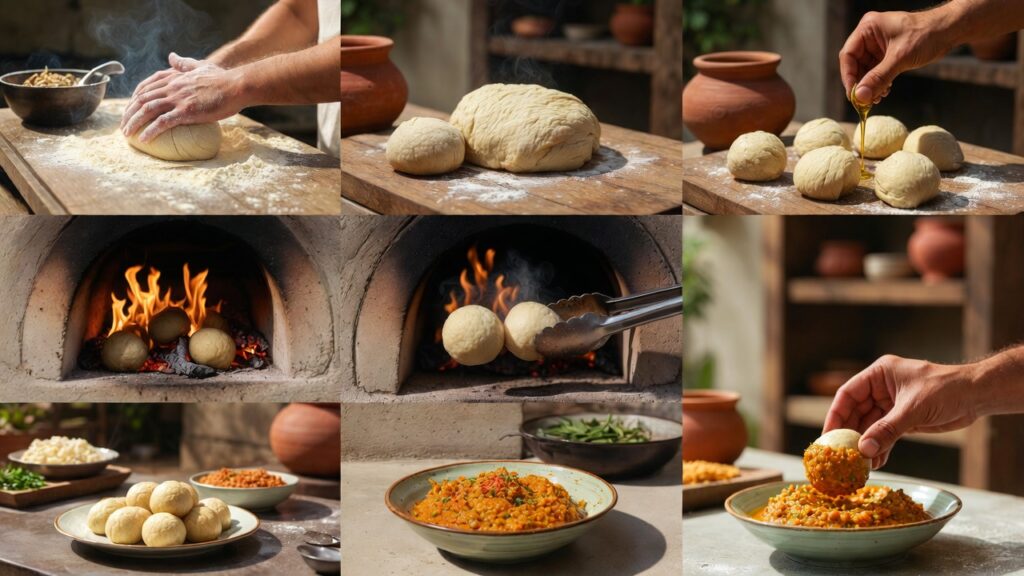
Credit by: AI Generated Img
What actually goes on the plate
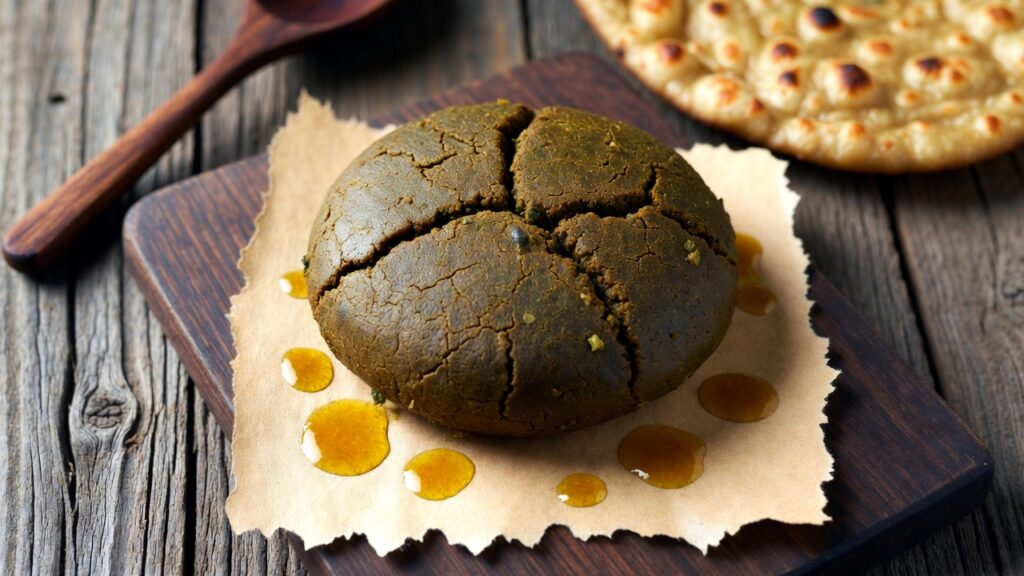
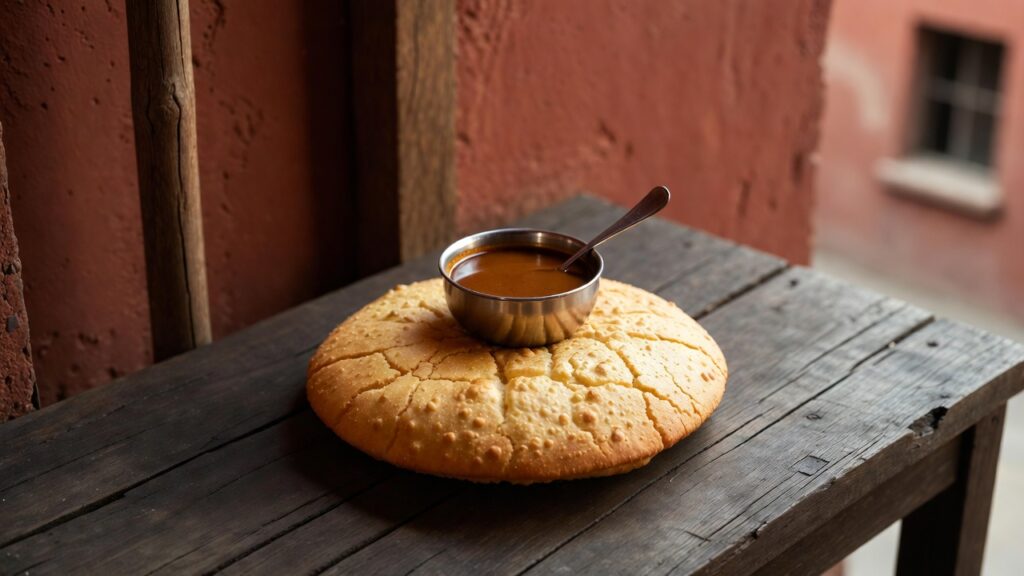
- Litti = biggish wheat balls stuffed with spicy sattu masala, roasted till the outside is hard and cracked
- Chokha = smashed roasted baingan + tomato + sometimes potato, mixed with onion, green chilli, lots of garlic, mustard oil, salt
That’s it. No gravy. No cream. No presentation. Just fire-roasted stuff and a mountain of ghee poured on top at the end.
People compare it to dal baati from Rajasthan, but honestly it’s much rougher and more in-your-face. Dal baati feels a little royal. Litti chokha feels like someone’s mausi made it because there was nothing else in the house and it still ended up tasting better than half the restaurant food you’ve eaten.
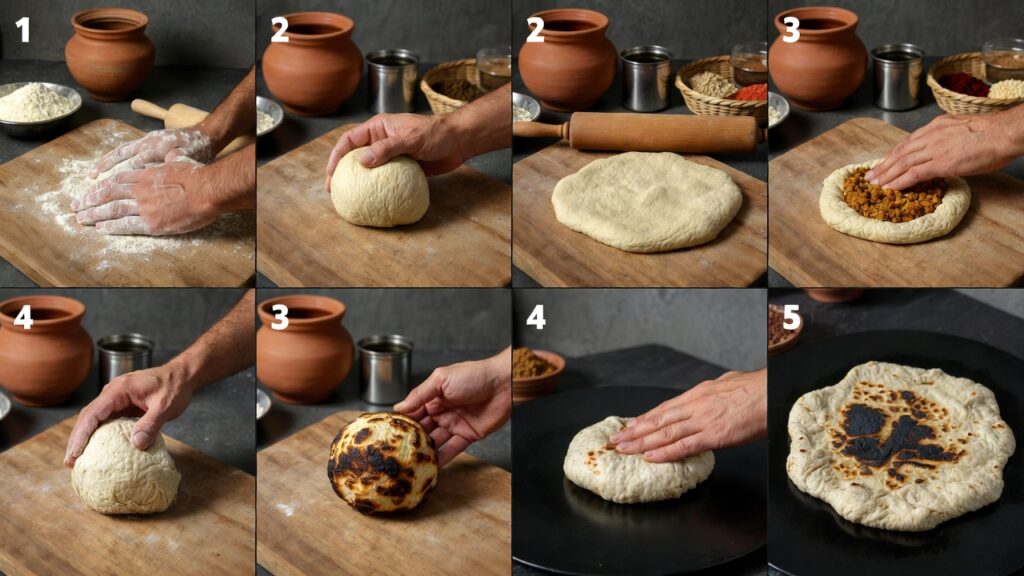
Credit by: AI Generated Img
Ingredients (the way I do it, not the “correct” way)
Dough
- 2–2.5 cups normal atta (I don’t measure exactly)
- 2–3 big spoons ghee or mustard oil
- Little salt
- Water — enough to make a tight dough (harder than roti dough)
Sattu stuffing (this is the heart of it)
- 1 cup sattu (fresh is best — old sattu tastes sad)
- 1 normal onion — chopped small
- 4–5 green chillies (I like it hot)
- 1.5 inch ginger + 6–7 garlic cloves — smashed or chopped
- 1–2 spoons mustard oil (don’t skip this)
- 1 spoon ajwain
- Little kalonji if you have it
- Salt — generous
- Half lemon squeezed or some imli / mango pickle masala for sourness
- Chopped dhania
Mix all this with your hand. It should feel damp but still crumbly. Taste it — if it doesn’t make you go “yes this is spicy and nice”, add more chilli or salt.
Credit by: AI Generated Img
Chokha
- 1 big shiny baingan
- 2–3 tomatoes
- 2 boiled potatoes (optional but I usually add)
- 1 small onion chopped
- 3–4 green chillies
- 5–6 raw garlic cloves
- Mustard oil — 1–2 spoons
- Salt
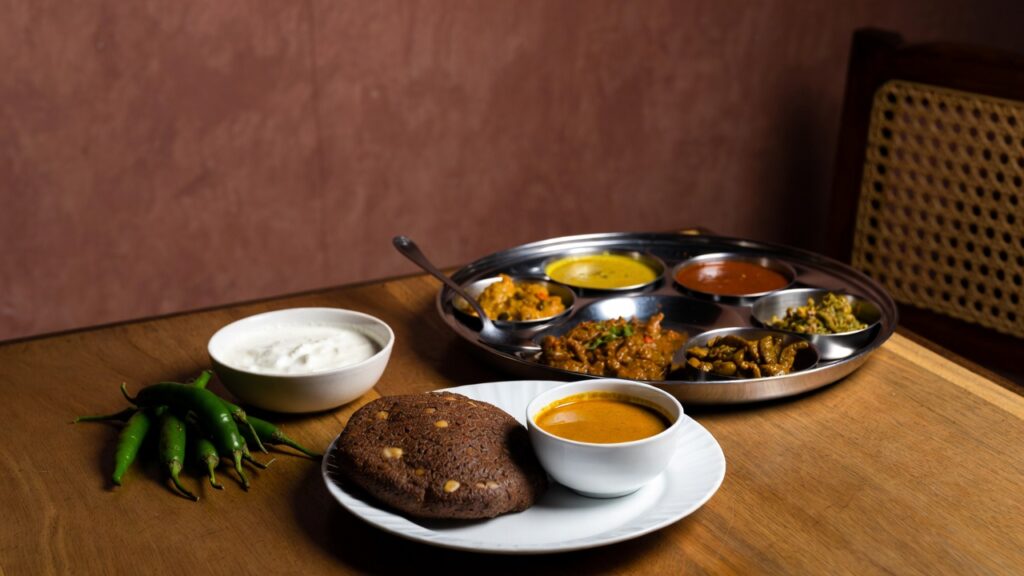
Credit by: AI Generated Img
How I make it (no chef steps, just how it happens)
- Knead the dough first and keep it covered. Let it chill while you do other stuff.
- Make the sattu mix. Taste it twice. Fix whatever is missing.
- Make smallish balls of dough, flatten them like a small puri, put a big spoon of sattu inside, seal properly. If it cracks later it’s not the end of the world but try to seal well.
- Roast them.
- Best: on a wire jali over gas flame. Keep turning every 3–4 minutes. Takes 20–30 minutes.
- Oven: 200°C for 25–30 min, then finish on direct flame for 3–4 min so it gets those black spots. The black burnt parts are actually the best bit.
- Roast the baingan and tomatoes on open flame till the skin is completely burnt. Peel. Mash with potato. Add everything else raw — onion, chilli, garlic, oil, salt. Don’t make it too smooth. Chunky is correct.
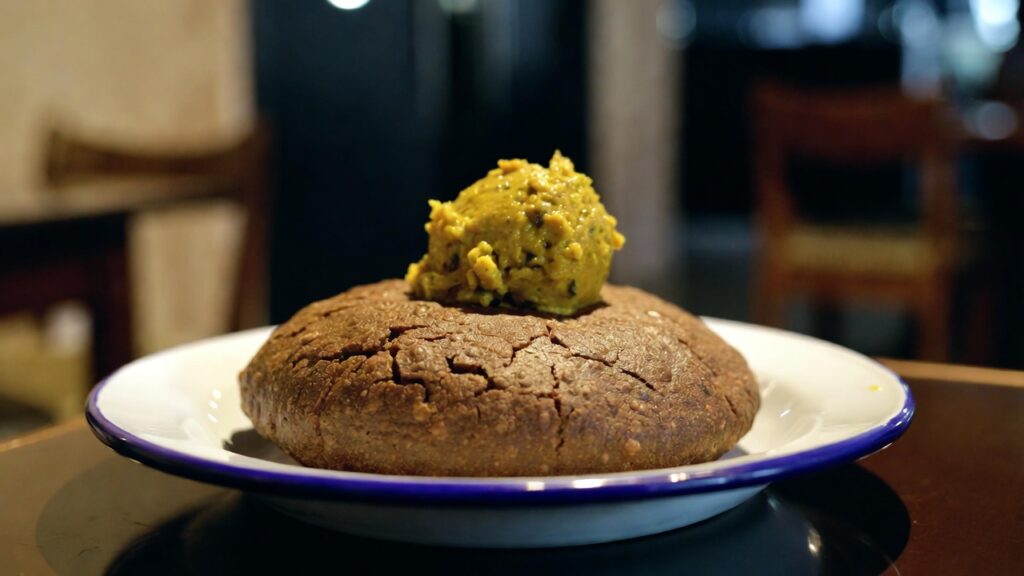
- When littis are done, crack them open with your hands (or knife if you’re civilized). Pour hot melted ghee till it pools at the bottom of the plate. Eat with chokha. Some people put dahi or onion salad. I usually just eat it like this.
Credit by: AI Generated Img
Small things I’ve learned the hard way
- If you stuff too much sattu, it expands and bursts in the fire. Sad waste.
- Old sattu = bitter taste. Smell it before using.
- Mustard oil is not optional. It’s what makes it taste like Bihar.
- Don’t try to make it “healthy” by skipping ghee. You can reduce it, but zero ghee is basically betrayal.
- Leftovers? Wrap in foil, reheat in oven or on tawa with a little ghee. Still good.
Credit by: AI Generated Img
Where to eat it if you don’t want to cook
In Patna:
- Little stalls near Maurya Lok complex
- Boring Road side lanes
- Gandhi Maidan area in the evening
In Kolkata:
- Small Bihari dhabas around Park Circus, Metiabruz, Topsia
- Few places in Salt Lake now too
The best ones are always the ones where the guy is roasting on a proper angeethi and doesn’t care about Instagram aesthetics.
Credit by: AI Generated Img
Read more Recipes: How to Make Pakora: A Step-by-Step Recipe
Why I keep coming back to it
It’s cheap. It’s filling. It’s spicy the way I like. It doesn’t pretend to be anything it’s not. And somehow it always feels like home — even when I’m making it alone in my tiny flat at 10 pm because I was too lazy to order anything else.
If you’ve never tried making it, just do it once. Even if it’s not perfect the first time, it’ll still taste better than 90% of the food you can order online.
Have you eaten real litti chokha? Or did you grow up with it too? Tell me how spicy you make your sattu — I’m always curious.