
Poha: Look, I’m not gonna pretend poha is some gourmet masterpiece. It’s not butter chicken or biryani that needs hours and a million spices. But that’s exactly why I love it. When you wake up late, or you come home tired and the fridge is basically empty except for onions and some sad curry leaves — poha is there like “I got you, bro.”
I’m from a family where poha was breakfast at least four days a week growing up in a small Maharashtrian household. My mom would make the classic kanda poha — just onions, peanuts, green chillies, curry leaves, mustard tadka, and that signature bright yellow from turmeric. No potatoes back then because “extra calories” (she was ahead of her time on that one). These days I add potatoes sometimes because I like the soft chunks against the fluffy rice flakes. Sue me.
Credit by: AI Generated Img
First Things First: What Even Is Poha?
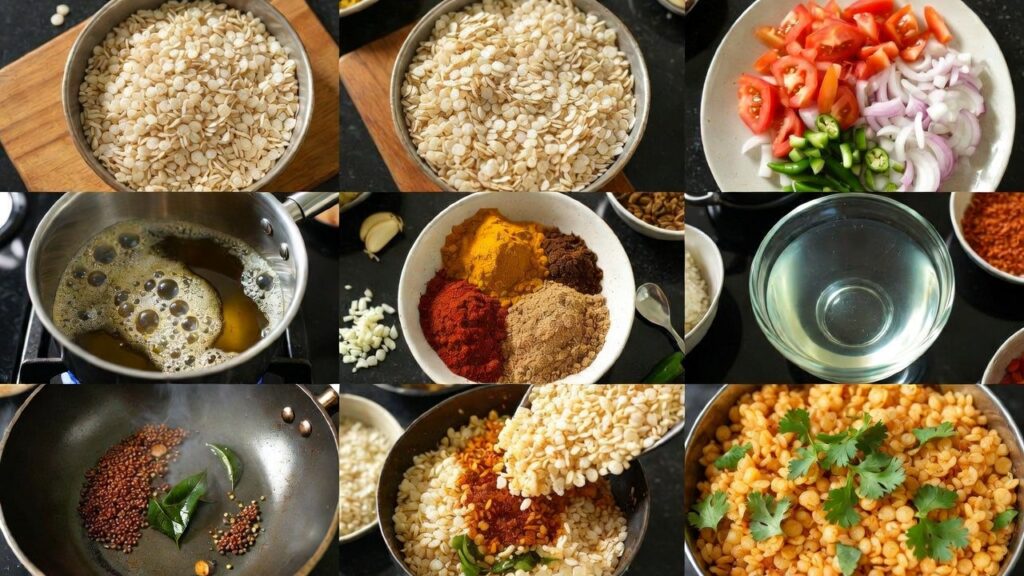
Poha (or pohe, aval, atukulu — depending on which state is claiming it) is basically rice that’s been parboiled, flattened into thin flakes, and dried. You buy it in packets — thick, medium, thin. Thick is king for the classic soft-but-not-mushy texture. Thin poha is mostly for chivda or quick snacks, but if you use it for breakfast poha you’ll regret it in about 30 seconds.
People confuse cooked poha with the dry namkeen version (poha chivda). Big difference. One is a hot comforting breakfast; the other is what you munch during Netflix binges.
Credit by: AI Generated Img
Why Poha Feels Like a Hug in Food Form
- It’s ready in 12–15 minutes start to finish.
- Costs almost nothing — 2 cups poha is like ₹20–30 worth.
- Light on the stomach — great when you’re feeling blah or have an upset tummy.
- Naturally gluten-free.
- Decent iron (especially if you squeeze lemon on top — vitamin C helps absorb it).
- You can make it healthy or indulgent depending on mood.
- Leftovers? Just don’t. Make fresh. It dries out fast.
I’ve eaten poha when I was trying to lose weight (minimal oil, lots of veggies) and when I was hungover (extra peanuts, extra sev). It works both ways.
Credit by: AI Generated Img
My Everyday Kanda-Batata Poha Recipe (The One I Make 80% of the Time)
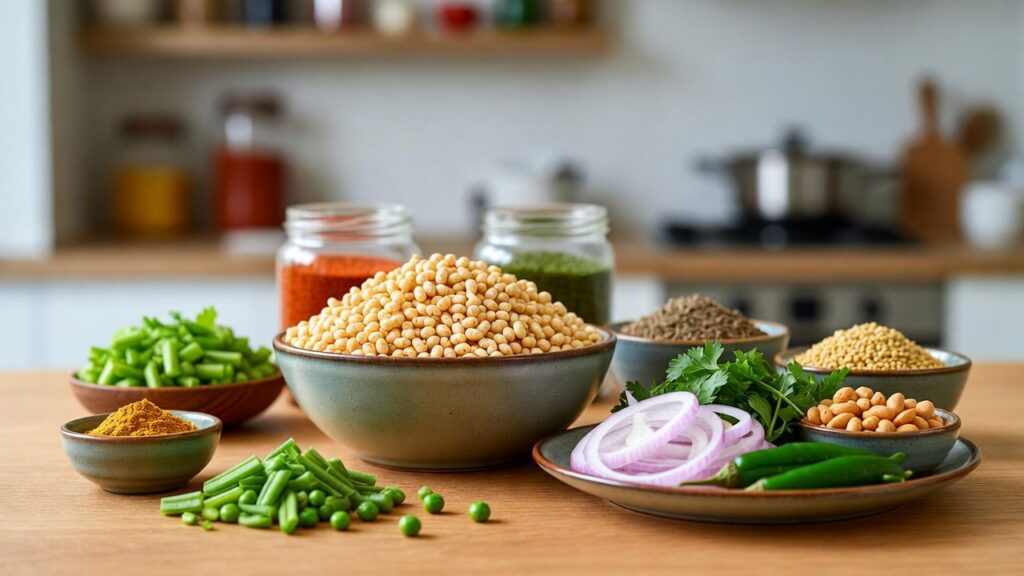
Stuff you need (for 2–3 people, or one very hungry person):
- 2–2½ cups thick poha (jada poha — don’t get the thin one)
- 1 large onion — chopped medium-fine, not too small
- 1 medium potato — cut into small cubes (optional but I almost always add)
- ¼–⅓ cup raw peanuts (moongfali)
- 2–3 green chillies — slit lengthwise (or more if you like fire)
- 10–12 curry leaves — fresh ones, please
- 1 tsp mustard seeds (rai)
- ½–¾ tsp cumin seeds (jeera)
- ½ tsp turmeric powder (haldi)
- Salt — start with 1 tsp, taste later
- ½ tsp sugar (optional but traditional in many homes — balances the salt)
- 2–2½ tbsp oil (peanut oil tastes best, but any neutral oil is fine)
- Juice of 1 medium lemon (or ½ big one — don’t skip this)
- Handful chopped coriander
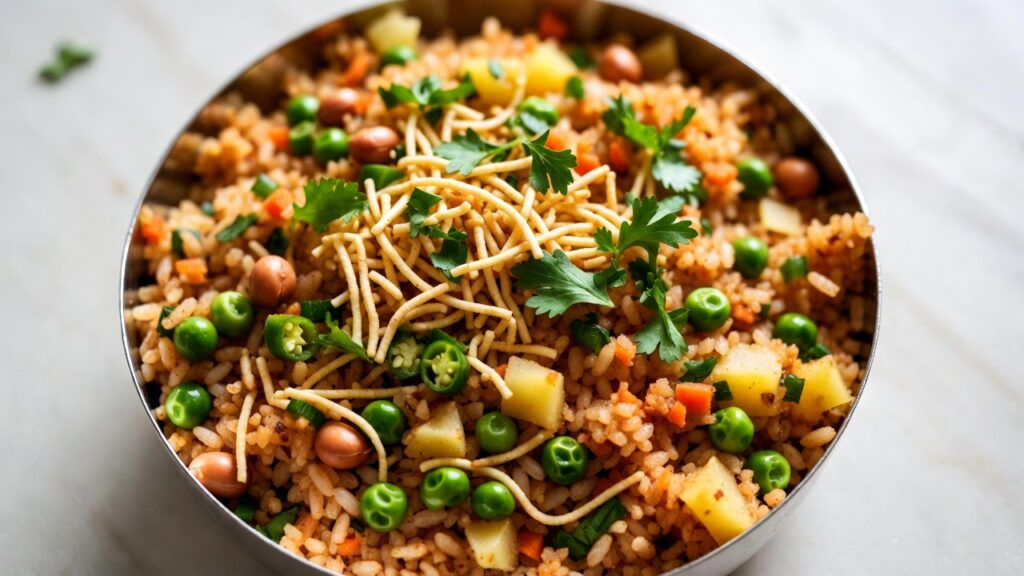
- Nylon sev for topping (the thin one, not moti sev)
- Optional extras: green peas, grated carrot, chopped capsicum
Credit by: AI Generated Img
How I actually do it (no chef precision here):
- Put poha in a big sieve or colander. Run tap water over it gently — 2 or 3 quick passes. You want the flakes soft and moist but still holding shape. If they feel hard after draining, sprinkle a little more water and wait 2 minutes. Too much water = sad mush.
- Heat oil in a wide kadhai or pan on medium flame. Add mustard seeds → wait for pop-pop-pop.
- Add cumin seeds + peanuts. Stir till peanuts get light golden (2–3 mins). Don’t walk away — they burn fast.
- Throw in curry leaves and green chillies. Fry 20–30 seconds till curry leaves crisp up.
- Add chopped onions + little salt. Cook till onions go soft and translucent (4–5 mins). If adding potato cubes, put them in now. Cover and cook on low for 5–7 mins till potatoes soften. Stir once or twice.
- Sprinkle turmeric + remaining salt + sugar. Mix well — everything turns happy yellow.
- Add the drained poha. Lower flame. Fold gently with a flat spoon or your hand (if you’re brave). Don’t stir aggressively — you’ll break the flakes. Let it steam and soak flavours for 3–5 mins. Taste — adjust salt/lemon if needed.
- Switch off gas. Squeeze lemon juice all over while it’s hot. Mix lightly. Throw in chopped coriander.
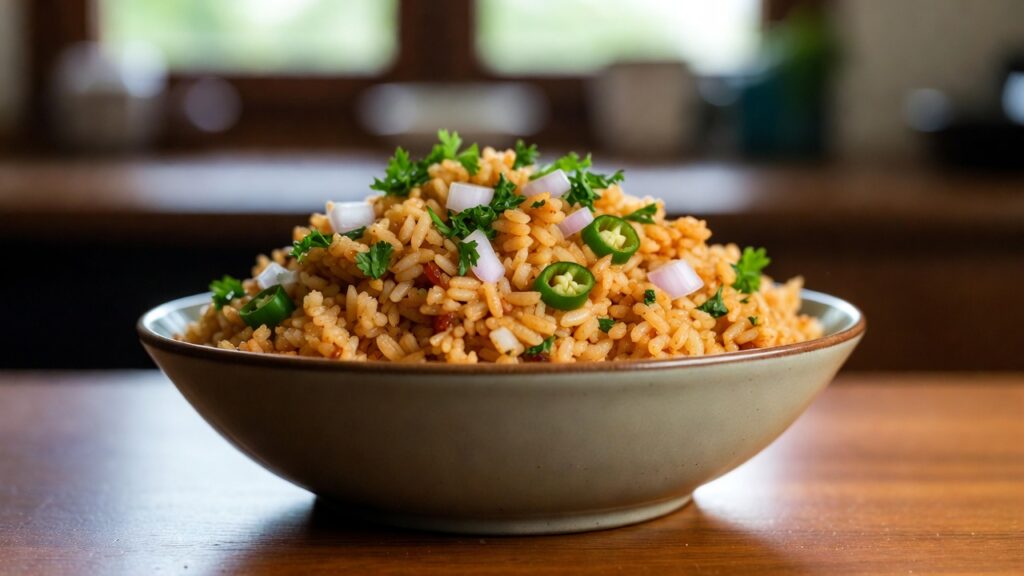
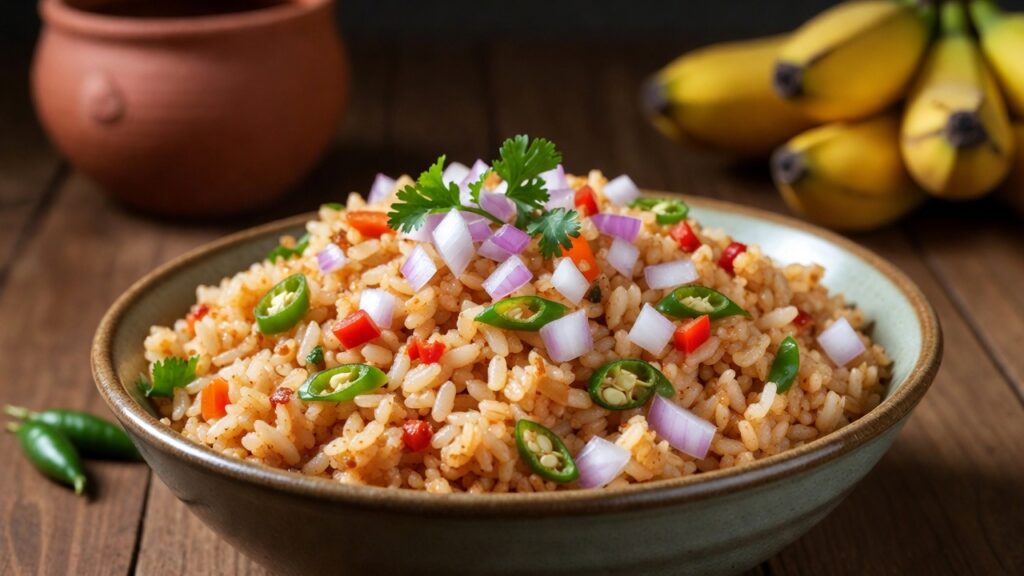
- Serve immediately in plates. Top with generous sev if you’re feeling it. Chai mandatory.
Pro move: Cover the pan for 1 minute at the end — makes it extra fluffy.
Credit by: AI Generated Img
Regional Twists I’ve Tried (and Loved)
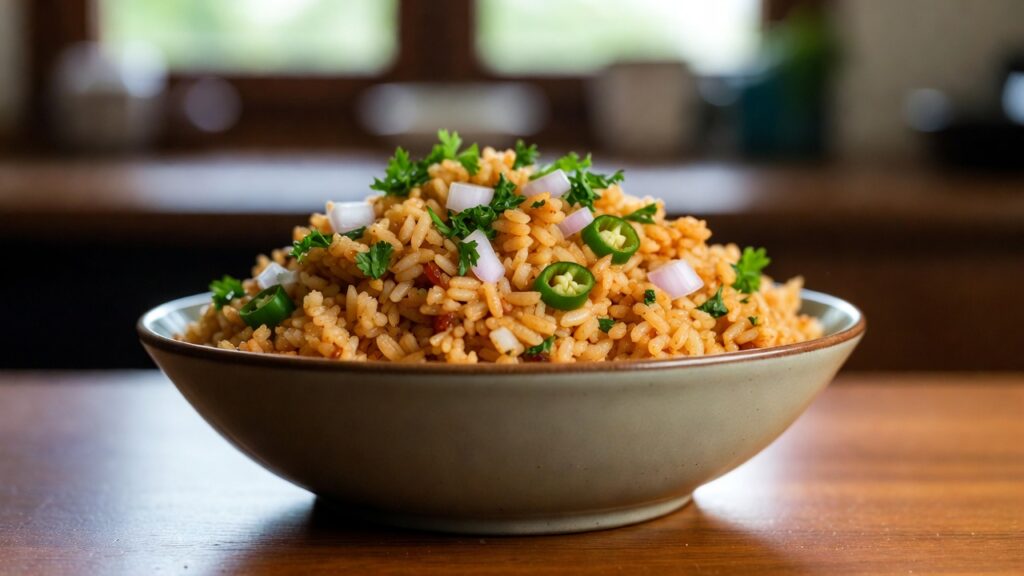
- Indori poha — This is next-level street food. After basic tempering (they often use fennel seeds too), they steam it covered, then load it with jeeravan masala, nylon sev, pomegranate pearls, chopped raw onion, lemon, farsan mix. Spicy-sweet-tangy explosion. I tried it in Indore once and came home trying to recreate it for months.
- Dadpe Pohe (Konkani style) — Raw soaked poha mixed with fresh coconut, curd, green chillies, onion. No cooking. Super refreshing in summer.
- Sweet poha — Kerala/Tamil style with jaggery, coconut, cardamom. First time I tried it I was confused, but now I make it occasionally when I want something different.
- Veggie bomb version — Peas, carrots, beans, capsicum — whatever sad veggies are lying around. Makes it feel virtuous.
Credit by: AI Generated Img
Read More Recipes: How to Make Real Mumbai-Style Bhel Puri at Home
Mistakes I’ve Made So You Don’t Have To
- Used thin poha → turned into khichdi paste.
- Rinsed too aggressively → flakes broke into tiny bits.
- Added lemon while cooking → bitter surprise.
- Forgot peanuts → tastes flat.
- Used old curry leaves → no aroma.
Moral: Keep it simple, use thick poha, add lemon last.
Poha isn’t just food — it’s nostalgia, quick comfort, and proof that you don’t need fancy ingredients to eat well. Whether you’re in Durgapur rushing to work, or anywhere else feeling lazy, a plate of hot poha with chai fixes almost everything.